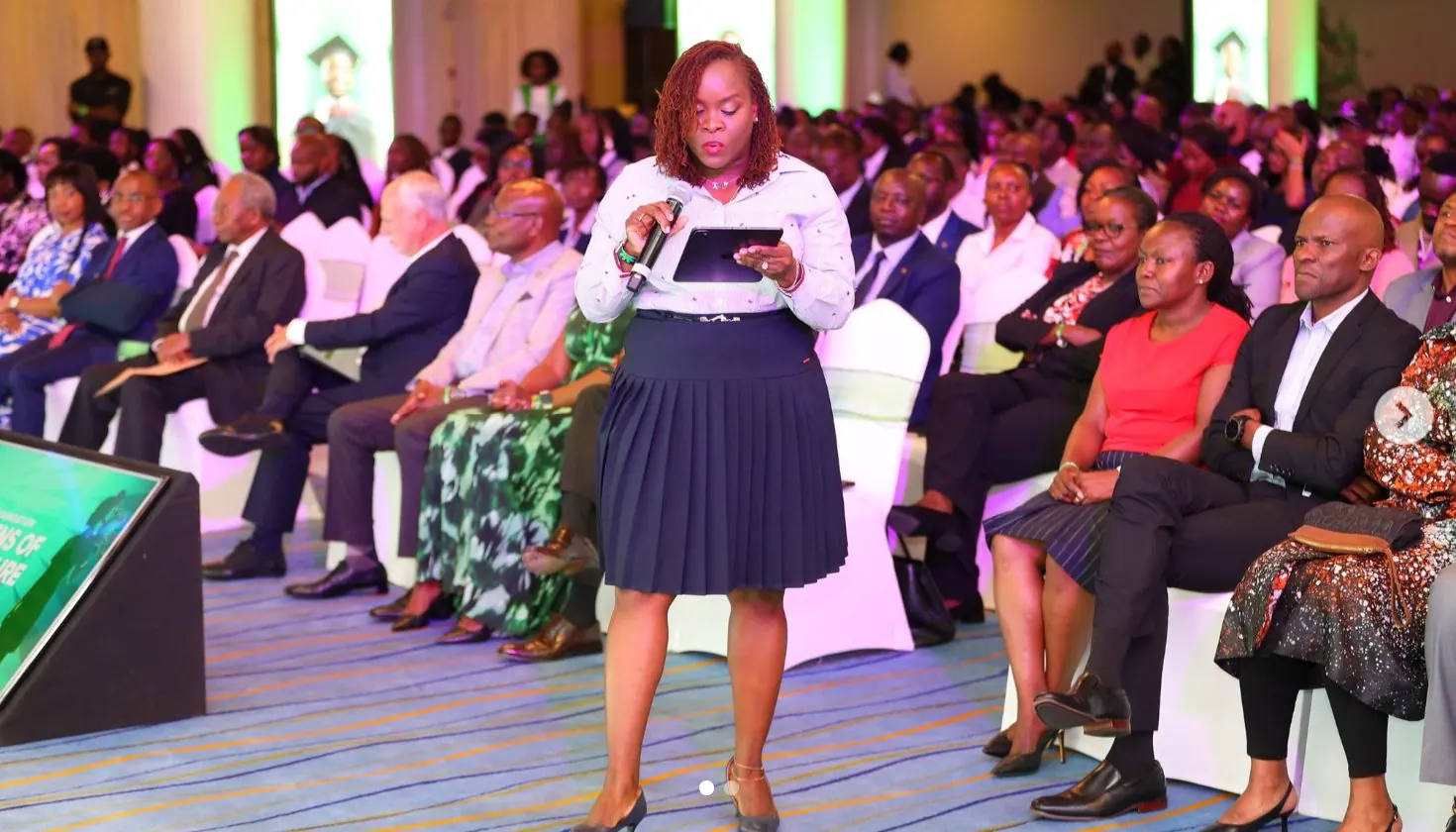
Safaricom Foundation, a leading corporate philanthropy organization in Kenya, is facing questions over its project selection process. The foundation's Director of Sustainable Business and Social Impact, Karen Basiye, has been put on the spot to provide transparency on how communities are selected to receive millions of shillings in funding. With projects ranging from school construction to hospital equipment and water financing, the foundation's investments have a significant social and political impact.
The scrutiny comes after several high-profile projects were funded in areas with close ties to influential politicians. In July 2023, the foundation invested KSh35 million in two schools in Tongaren, with National Assembly Speaker Moses Wetang'ula in attendance. While the presence of a politician at a development project is not unusual, it raises concerns about the potential for political influence in the allocation of funds.
Safaricom Foundation has committed significant funds to various projects across Kenya, including a KSh151 million education project in Bungoma, Homa Bay, and Baringo in June 2025. The foundation claims that its investments focus on the country's "neediest cases," but critics argue that the selection process should be more transparent. To demonstrate its commitment to transparency, Safaricom should publish the needs assessments that determine which projects receive funding.
The importance of transparency in the selection process cannot be overstated, particularly in Kenya's political culture where development projects are often used as political capital. A politician standing beside a newly constructed classroom can claim credit for the project, even if it was funded by a corporate foundation. Safaricom and Basiye should understand why appearances matter and take steps to demonstrate that corporate charity is not an extension of political patronage.
While the evidence does not support the claim that Safaricom's charitable investments bypass opposition territory, the foundation's project selection process remains unclear. M-PESA Foundation, which Basiye also leads, has invested in projects across various counties, including Trans Nzoia, Marsabit, Makueni, Bungoma, and Kisumu. The KSh151 million education project, for example, included a KSh55 million investment in Homa Bay, a county associated with opposition politics.
To address concerns about political favoritism, Safaricom should disclose the geographical distribution of its charitable projects, including the constituency, county, amount committed, and selection criteria for each project. This information would allow journalists and the public to assess whether the foundation's investments are truly based on need rather than political influence.
Ultimately, the onus is on Safaricom and Basiye to demonstrate that the foundation's project selection process is transparent and free from political influence. By providing detailed information on its projects and selection criteria, Safaricom can help to build trust in its charitable activities and ensure that its investments have a positive impact on the communities it serves.
Key points
- Safaricom Foundation faces scrutiny over its project selection process and concerns about potential political influence.
- The foundation's investments have a significant social and political impact, with projects ranging from school construction to hospital equipment and water financing.
- To address concerns, Safaricom should disclose detailed information on its projects and selection criteria to demonstrate transparency and accountability.