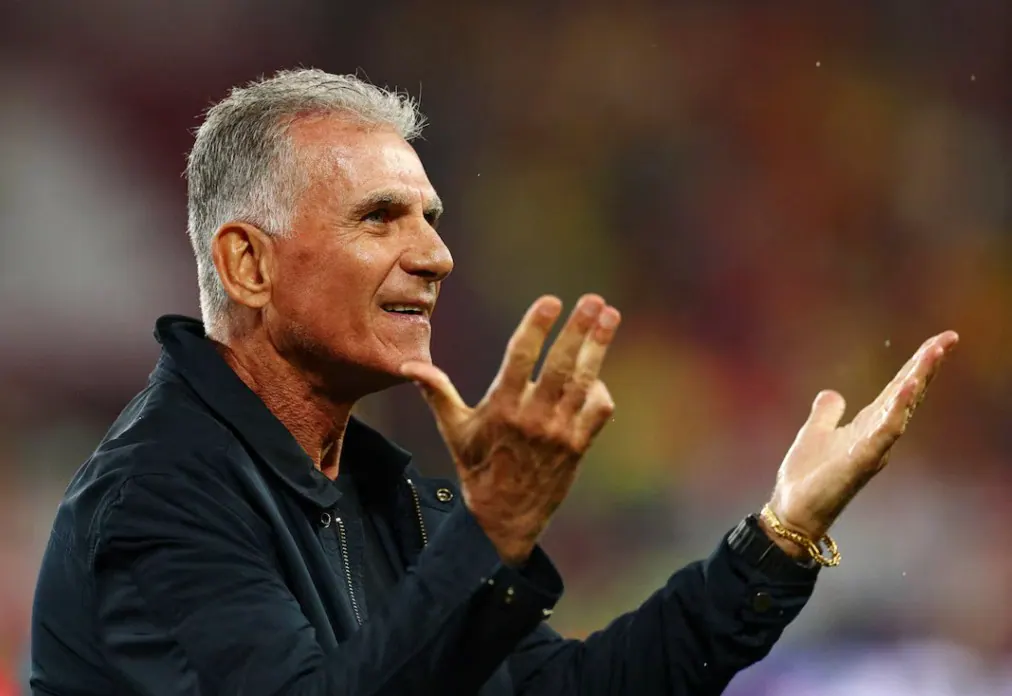
The departure of Carlos Queiroz as coach of Ghana's Black Stars football team after just seven matches has brought an end to one chapter of turmoil, but the country's football crisis runs much deeper. Queiroz's record with the team was dismal, with one win, one draw, and five defeats, including losses to Côte d'Ivoire and The Gambia in the 2027 Africa Cup of Nations qualifying. His exit was made almost inevitable by the team's poor performance and reports of a dressing room in disarray.
However, columnist Benedict Okyere Yeboah argues that Ghana's football decline did not begin with Queiroz and will not end simply because he is gone. According to Yeboah, the numbers suggest a continuous slide in Ghana's football fortunes, with the team collecting just two points from three group matches at AFCON 2023, failing to win a single game while conceding six goals. The team then missed out on AFCON 2025 entirely after a qualifying campaign of three draws and three defeats, scoring only three goals in six matches and conceding seven.
The Ghana Football Association (GFA) itself has acknowledged the scale of the problem, dissolving the Black Stars Management Committee and convening a Ghana Football Retreat in November 2024 to draw up a roadmap for the sport. The GFA's Club Licensing Manager revealed in March 2026 that among the 18 Ghana Premier League clubs, only seven owned their own training facilities and just four owned their own stadia. This lack of basic infrastructure compromises the pipeline feeding the Black Stars.
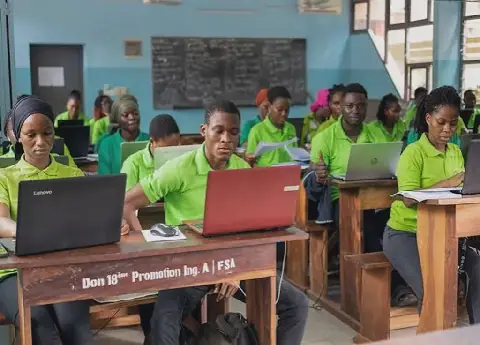
The government has also identified inadequate sports infrastructure in schools as a barrier to early talent identification. The 2026–2029 Medium-Term Development Plan flags this as a major issue. While the GFA has spent money on training Colts coaches and youth competitions, Yeboah questions what that money is actually building, whether it funds academies, better pitches, scouting networks, and sports-science structures, or simply helps clubs survive another season.
Sports Minister Kofi Iddie Adams has raised similar concerns, arguing that Ghanaian football needs rebuilding from the grassroots up and questioning whether financial interventions were producing lasting institutional change. The debate over coaching changes versus structural reform is, in effect, a debate over whether Ghana's best young players will have a functioning system to develop in at home.
For ordinary football fans, this is not an abstract governance debate, as every missed AFCON qualification and every early tournament exit affects national pride, the commercial value of the Black Stars brand, and the opportunities available to young Ghanaian players trying to break through. A weak domestic league with under-resourced clubs means fewer pathways for talented youngsters who cannot afford to go straight to academies abroad.
The GFA has yet to announce a firm date for when it will name Queiroz's permanent successor, beyond the fact that an interim team has already been put in place. The Ghana Football Retreat produced a roadmap, but concrete milestones or a public implementation schedule for that roadmap heading toward AFCON 2027 have not been announced.
Key points
- Ghana's football crisis is deeper than a single coach's failure.
- Structural issues plague the sport, including lack of infrastructure and inadequate talent identification.
- The GFA has acknowledged the problem and is working on a roadmap for reform.