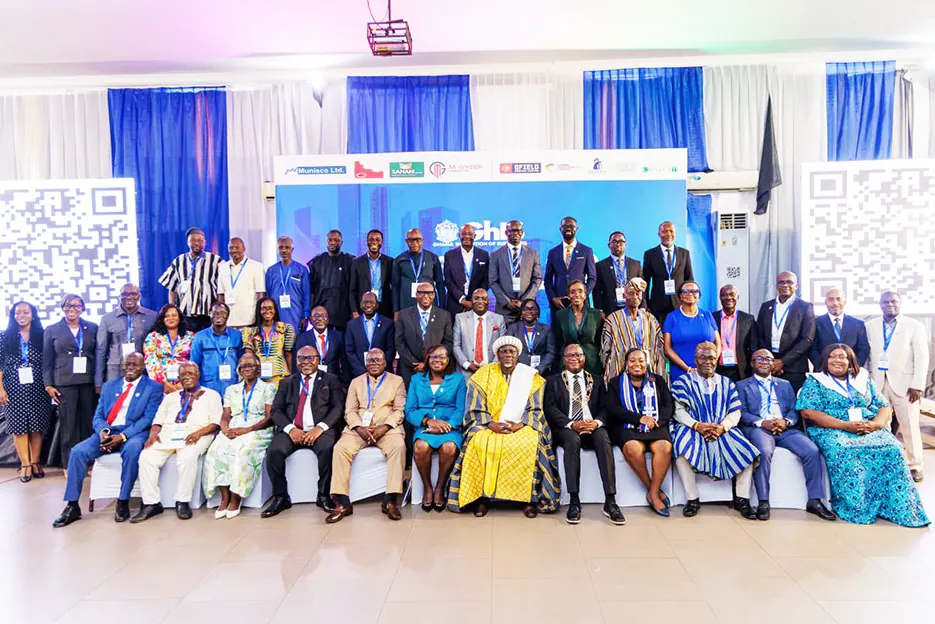
Quantity surveyors in Ghana have been called upon to strengthen cost controls and promote accountability in infrastructure projects to ensure public funds deliver maximum value for money. This appeal was made by Surveyor Nana Nuamah Kyei-Bafour, Chairman of the Quantity Surveyors Division of the Ghana Institution of Surveyors (GhIS), at the division's 2026 Annual General Meeting (AGM) in Tamale. The meeting, which took place from October 6 to 9, 2026, brought together industry professionals, traditional authorities, government representatives, and political leaders.
The AGM, themed "The Value for Money Office Act, 2026: Positioning Quantity Surveyors as Strategic Partners in Delivering Accountable, Transparent and Value-Driven Public Infrastructure," aimed to discuss the role of quantity surveying in infrastructure delivery and national development. Kyei-Bafour emphasized that Ghana's rapid urbanization and growing demand for infrastructure make effective cost management and accountability increasingly important. He stressed that the success of infrastructure projects should not be measured solely by their construction costs but also by their ability to meet intended objectives and serve communities effectively.
Kyei-Bafour urged quantity surveyors to take on a more strategic role in infrastructure development by applying their expertise in cost planning, procurement, risk assessment, and commercial management from the initial stages of projects through to completion. He noted that the profession has a critical responsibility to ensure that public resources are used efficiently, transparently, and in the best interest of the country. With every cedi of public expenditure carrying implications for national development, quantity surveyors must help prevent waste and ensure that infrastructure investments translate into tangible benefits for citizens.
The President of the Ghana Institution of Surveyors, Surv. Emmanuel Kofi Cobbold, highlighted the significance of the Value for Money Office Act, 2026, describing it as an opportunity for quantity surveyors and other professionals in the surveying sector to demonstrate their expertise in promoting accountability and efficient public spending. He said the establishment of the Value for Money Office would create opportunities for the profession to contribute more meaningfully to public-sector project evaluation, cost control, and the assessment of infrastructure investments.
Surv. Cobbold indicated that the Value for Money Office was expected to begin operations in January 2027, following presidential assent to the Act earlier in 2026. He urged quantity surveyors to become involved in projects from the planning and design stages to identify potential cost overruns, construction risks, and future maintenance expenses before they escalate. He explained that achieving value for money required project planners to ask fundamental questions about the necessity of a proposed project, the clarity of its scope, the feasibility of its design, and the affordability of both construction and long-term maintenance.
Surv. Cobbold called on the Quantity Surveyors Division to develop practical recommendations to support the effective implementation of the new office. He identified reliable construction cost benchmarks, whole-life costing methods, and independent project assessments as important tools that could strengthen project evaluation and promote more informed decisions on public infrastructure spending. He also underscored the importance of professional independence, sound technical advice, and the proper disclosure and management of conflicts of interest.
Traditional authorities, government officials, and political leaders who participated in the meeting encouraged surveyors to place the national interest at the center of their professional responsibilities. The discussions reinforced the importance of quantity surveyors in promoting prudent public expenditure, improving infrastructure planning, and ensuring that projects deliver sustainable benefits to the communities they are intended to serve. As Ghana continues to invest in critical infrastructure, quantity surveyors are expected to play an increasingly important role in strengthening cost discipline, transparency, and accountability in project delivery.
Key points
- Quantity surveyors in Ghana must strengthen cost controls and promote accountability to ensure public funds deliver maximum value for money.
- The Value for Money Office Act, 2026, provides an opportunity for quantity surveyors to demonstrate their expertise in promoting accountability and efficient public spending.
- Quantity surveyors must take on a more strategic role in infrastructure development by applying their expertise in cost planning, procurement, risk assessment, and commercial management.