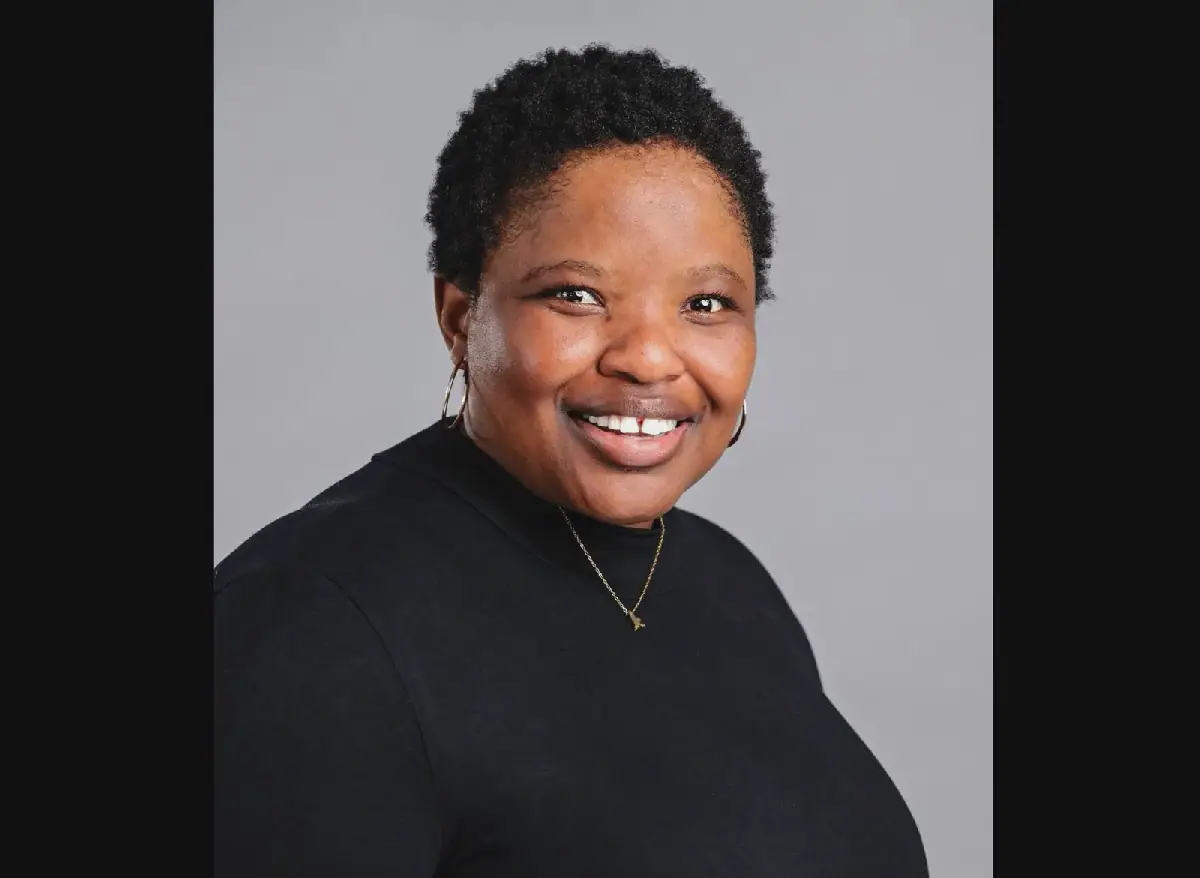
A university degree or high income does not automatically make someone confident with money, according to Kelebogile Kgokane, national manager at PPS Wealth Advisory. Many people have built successful careers and accumulated assets, but still feel uncertain or overwhelmed when it comes to their finances. Kgokane wants South African professionals to confront this uncomfortable truth and have an honest conversation about their money behaviour.
Research supports Kgokane's view, with a 2026 Franc Wealth Index survey of nearly 4,000 financially active South Africans finding that behavioural factors such as budgeting, investing, and goal-setting are more strongly linked to financial well-being than income, age, or education level. This means that what people do with their money matters more than what they know on paper or how much they earn.
The gap between knowing and doing is where confidence is built or lost, according to Kgokane. Many people understand the theory of retirement planning or know they should have an emergency fund, but struggle to take action. National Treasury's draft National Consumer Financial Education Policy makes a similar distinction between financial literacy and financial capability.
For many affluent individuals, the hesitation to take control of their finances is personal. Admitting a lack of understanding can feel vulnerable, and some people worry they will be judged or assume they should already know better. Recent surveys show that even among higher-income households, confidence in personal finances and the economy remains fragile.
According to the FNB/Bureau for Economic Research Consumer Confidence Index for the second quarter of 2026, confidence among wealthy households collapsed from -4 to -28 index points. Expectations about personal finances also shifted into negative territory, with a net 7% expecting their financial position to deteriorate.
PPS Wealth Advisory was established in 2020 with the goal of creating a space where clients can be honest about their finances and build confidence. The company's approach focuses on everyday habits such as budgeting, managing debt, saving for retirement, and investing. These habits are the foundation of financial well-being and are within reach for most people, regardless of income or qualifications.
Kgokane's message to professionals is direct: stop waiting until you feel 'ready' or 'knowledgeable enough' to take control of your finances. Start where you are, ask questions, and have conversations. Financial confidence is built through repeated action and is never too late to begin. By taking small, consistent steps, people can build confidence and achieve financial well-being.
Key points
- Financial literacy is not just about knowing financial concepts, but also about having the confidence to make decisions and take action.
Reporting sources
- Qualifications do not equal financial confidence – PPS Wealth Advisory calls for honest conversation about money behaviour · Mid South Coast Mail/Mid South Coast Rising Sun