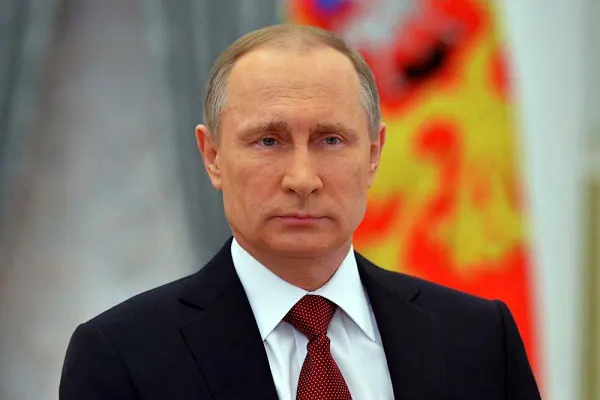
Russian President Vladimir Putin issued a stern warning to Western nations on Thursday, stating that Moscow is fully prepared to deploy every weapon in its national arsenal, including nuclear capabilities, to protect the strategic Baltic exclave of Kaliningrad. This warning comes amid deteriorating East-West relations and recent NATO maritime exercises in the Baltic Sea. Putin's comments were made at the Valdai Discussion Club in Moscow, where he addressed international foreign policy experts.
The Russian exclave of Kaliningrad, geographically wedged between NATO members Poland and Lithuania, has emerged as a major flashpoint. Putin condemned alleged Western attempts to restrict Russian shipping lanes as dangerous escalations. He emphasized that any direct assault targeting sovereign Russian territory would automatically trigger a comprehensive retaliatory posture. According to Putin, the use of all weapons in Russia's arsenal would be unavoidable in the event of a direct attack on Kaliningrad or other Russian territories.
Putin asserted that Moscow harbors no hostile intentions toward European neighbors but insisted that the nation must maintain deterrence against perceived encirclement and potential blockades by air or sea. He highlighted that Russia's defense spending is projected to climb to 17.1 trillion rubles in 2027, reflecting the country's commitment to bolstering its military capabilities amid ongoing tensions. The war in Ukraine, now in its fifth year, continues to exert a heavy domestic toll on Russia's economy and military resources.
The ongoing conflict in Ukraine has had significant economic repercussions for Russia. Ukrainian long-range drone strikes targeting domestic oil refineries have created widespread urban fuel shortages, which Putin acknowledged have shaved roughly one percent off the national gross domestic product. Despite these domestic pressures and mounting wartime expenditures, the Kremlin remains defiant in its stance against Western criticism. Putin criticized foreign borrowing, contrasting Russia's fiscal posture with Kyiv's reliance on foreign aid.
Tensions along the NATO-Russia frontier continue to mount, with reported border violations and suspected sabotage incidents. Western intelligence and government officials accuse Moscow of orchestrating a campaign of hybrid warfare, encompassing cyberattacks, espionage, and infrastructure disruptions across the Baltic states and Poland. The militarization of the Suwalki Gap, the narrow corridor linking Kaliningrad to Belarusian territory, has also raised alarm among Western leaders.
Putin dismissed assertions that Moscow is planning future conflicts, remarking that Russia is not threatening anyone and does not intend to attack. However, he emphasized that if Russia faces aggression, it will have to respond. Putin's comments reflect the complex and strained nature of NATO-Russia relations, with both sides engaging in a war of words and military posturing. The situation remains volatile, with potential for further escalation.
The international community remains watchful as the situation in Kaliningrad and along the NATO-Russia frontier continues to unfold. Putin's warnings and Russia's military build-up have significant implications for regional security and global stability. As tensions persist, diplomatic efforts to de-escalate the situation and prevent further conflict are essential. The West and Russia must navigate this complex landscape carefully to avoid miscalculation and unintended consequences.
Key points
- Putin warns that Russia will use all weapons in its arsenal if Kaliningrad faces direct military aggression.
- The Russian exclave of Kaliningrad has emerged as a major flashpoint amid deteriorating East-West relations.
- The war in Ukraine continues to exert a heavy domestic toll on Russia's economy and military resources.