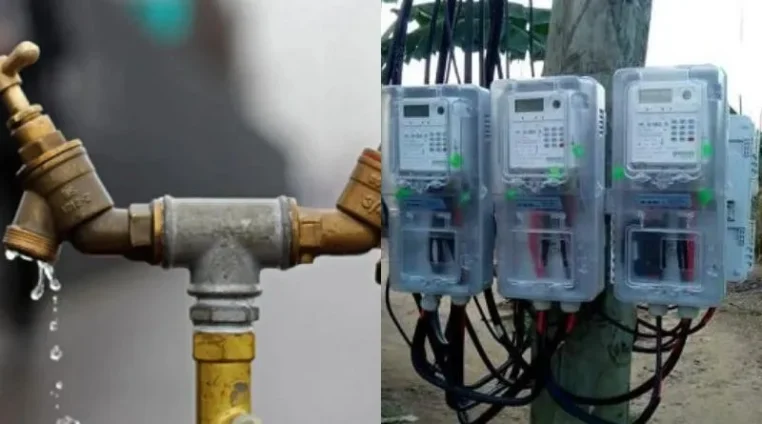
The Public Utilities Regulatory Commission (PURC) of Ghana has announced that electricity and water tariffs will remain unchanged for the fourth quarter of 2026. This decision was made after a quarterly tariff review that considers developments in key economic and operational variables affecting the cost of utility services. According to the Commission, the existing third-quarter tariffs will remain in force at the same rates, representing a 0 per cent adjustment, effective October 1, 2026.
The PURC's quarterly tariff review takes into account several factors, including the Ghana cedi-US dollar exchange rate, domestic inflation, the electricity generation mix, and fuel costs, particularly natural gas used to power thermal plants. For the fourth quarter, the Commission applied a weighted average exchange rate of GH¢11.5646 to US$1, compared with GH¢11.2228 to US$1 in the third quarter. This represents a 3.04 per cent depreciation of the cedi against the US dollar based on the rates applied in the two quarters.
The Commission also applied an average annual inflation rate of 4.97 per cent, up from 3.43 per cent in the previous quarter. The applicable weighted average cost of gas was set at US$7.8379 per million British thermal units (MMBtu), down 1.67 per cent from US$7.9708/MMBtu in the third quarter. These factors were considered in determining that no adjustment to electricity tariffs was necessary for the fourth quarter.
On electricity generation, the PURC said projected generation from hydro sources would increase from 20.90 per cent in the third quarter to 24.25 per cent in the fourth quarter. Projected thermal generation, meanwhile, is expected to decline from 79.10 per cent to 75.75 per cent. The combined effect of the generation mix, exchange rate, inflation, and natural gas prices did not warrant an adjustment to electricity tariffs for the fourth quarter.
As a result of the PURC's decision, all customer categories will continue to pay the rates that have applied since the third quarter. These include residential lifeline, other residential, non-residential, and special load tariff customers. Water tariffs will also remain unchanged during the fourth quarter. The existing rates will continue to apply to residential and non-residential customers, as well as commercial users, sachet and bottled water producers, drinks producers, industrial users, public institutions, public standpipes, ports and harbours, and bulk supply customers.
The PURC said it would continue monitoring the performance of regulated utility providers to ensure compliance with regulatory standards and benchmarks. This monitoring is intended to promote value for money and improvements in the quality of service provided to consumers. The Commission's decision will be published in the Gazette in due course and made available on its website.
The PURC's decision to keep tariffs unchanged is aimed at balancing the need to maintain the real value of existing tariffs and support the financial viability of utility providers while taking consumers' welfare into account. The Commission's quarterly tariff reviews are an important part of its regulatory role in the utility sector, ensuring that tariffs reflect changing economic conditions and costs while protecting consumers from unnecessary price shocks.
Key points
- The PURC's decision to keep electricity and water tariffs unchanged for the fourth quarter of 2026 was based on a quarterly tariff review that considered developments in key economic and operational variables affecting the cost of utility services.
- The Commission applied a weighted average exchange rate of GH¢11.5646 to US$1 and an average annual inflation rate of 4.97 per cent in making its decision.
- The PURC's decision aims to balance the need to maintain the real value of existing tariffs and support the financial viability of utility providers while taking consumers' welfare into account.