Somalia's high electricity costs, averaging $0.61 per kilowatt-hour, are a significant burden for families, farmers, and traders. The cost is 3.5 times the global average of $0.17. To address this issue, Puntland's Electricity Bill has reached its final stage, setting the legal and regulatory framework for generating, distributing, and using electricity. The bill aims to strengthen regulation and expand access to reliable, affordable electricity.
The Puntland Ministry of Energy, Minerals and Water convened a three-day stakeholder consultation in Garowe from October 26 to 28, 2026, to discuss the bill. The consultation brought together government ministries, the Puntland Non-State Actors Association (PUNSA), lawyers, electricity companies, business owners, and UNDP representatives. Participants reviewed the draft bill and proposed additions and reductions to make the law practical and responsive to Puntland's needs.
The Electricity Bill aims to strengthen governance, attract investment, protect consumers, and widen access to reliable, affordable power. According to Mr. Ahmed Omar Issa, Acting Director General of the Ministry of Energy, Minerals and Water, "This bill holds special importance for ensuring electricity access, maintaining the quality of electricity services, and encouraging investment in Puntland's natural resources." The bill's approval is expected to have a positive impact on the country's energy sector.
High electricity costs hinder agriculture and industry, affecting daily trade. Mr. Abdisamed Mohamoud, Director General of the Ministry of Commerce and Industry, noted that market stalls selling perishable goods, such as milk and vegetables, are significantly impacted by the lack of affordable electricity. The bill's proposed solutions aim to address these concerns and provide a fair, transparent electricity sector.
The stakeholder consultation resulted in recommendations to cut costs and build public trust. These recommendations include transparent, affordable pricing backed by government tax exemptions, stronger consumer protection, and clear licensing requirements. The proposals also focus on neighborhoods beyond the power grid and aligning the law with local government regulations.
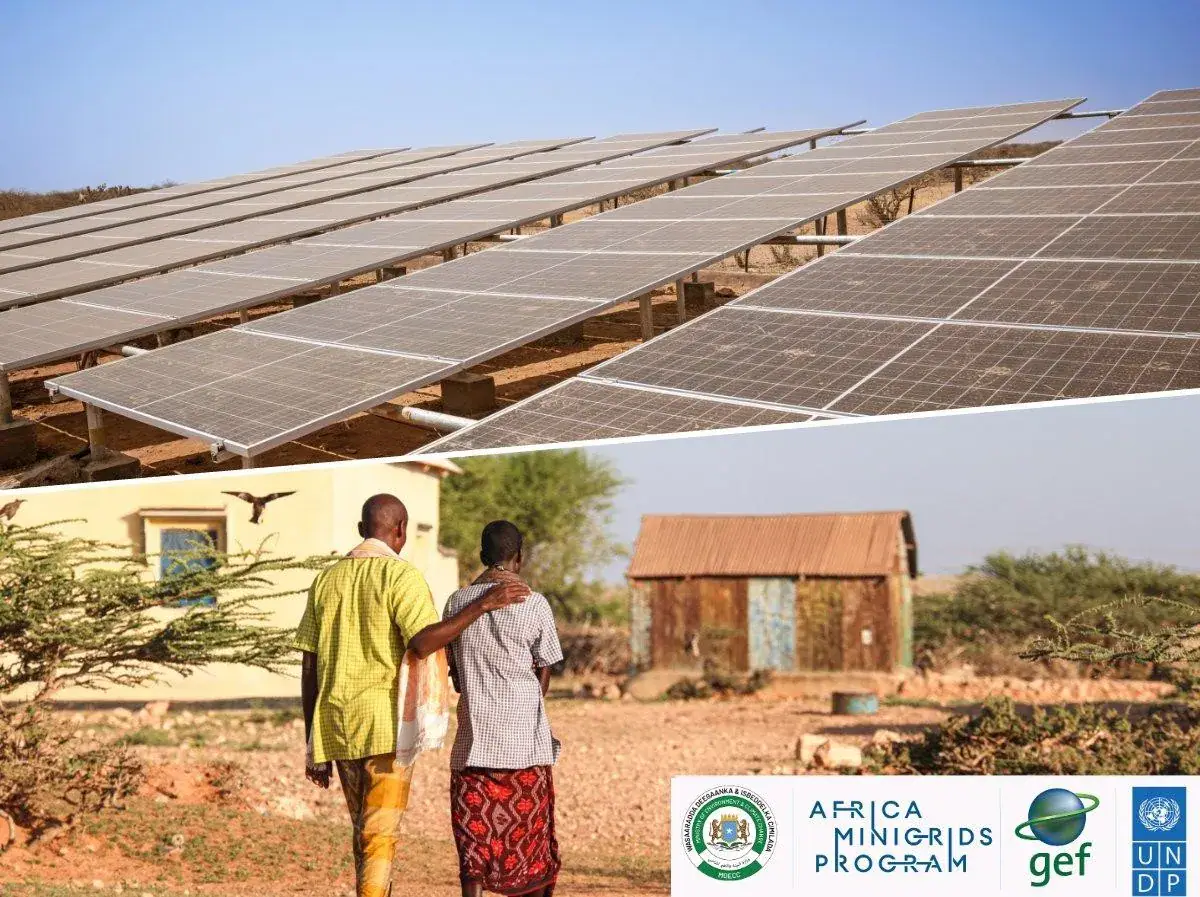
The Africa Mini-Grids Program (AMP) is supporting Somalia's efforts to expand clean energy access and strengthen renewable and hybrid mini-grids. The program, implemented by UNDP, has helped Somalia develop a National Mini-grid Policy and Regulations and a digital strategy to guide the sector's growth. Through AMP's support, Somalia has licensed over 20 electricity service providers and improved tariff design.
The approval of Puntland's Electricity Bill is a step towards a fair, transparent electricity sector that protects consumers, welcomes investment, and utilizes abundant sun and wind to generate affordable power. The bill's implementation is expected to have a positive impact on Somalia's energy sector, attracting investment and delivering better services to families, farmers, and businesses.
Key points
- The Electricity Bill aims to strengthen governance, attract investment, protect consumers, and widen access to reliable, affordable power.