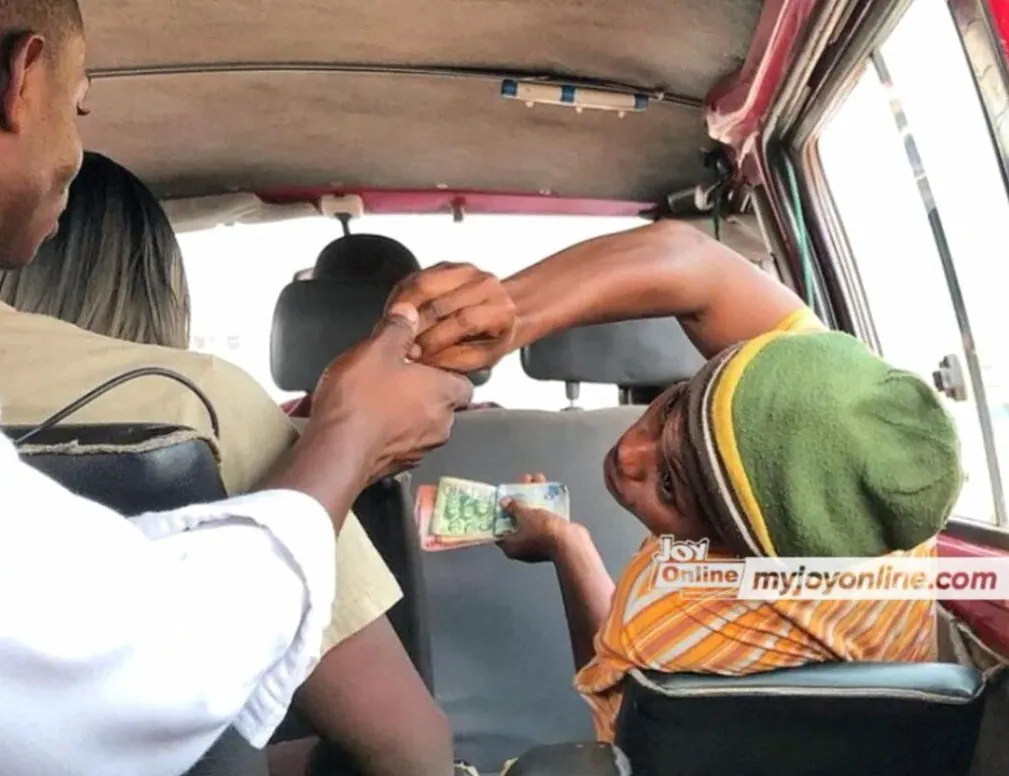
The Ministry of Transport, Ghana Private Road Transport Union (GPRTU), and Ghana Road Transport Coordinating Council (GRTCC) have agreed on an 8% increase in public transport fares, effective September 26, 2026. This decision comes after weeks of negotiations over rising fuel and operational costs. The new fare structure will apply to shared taxis, trotros, and other commercial public transport services nationwide.
The negotiations began on September 8, 2026, when the unions presented their case for higher fares, citing increased operational costs such as spare parts and vehicle maintenance. In response, the government proposed a GH₵2 per litre intervention on diesel prices to mitigate the impact on both operators and passengers. A joint technical team was set up to review the cost inputs driving the operators' demands, ultimately leading to the agreed 8% increase.
Throughout the negotiations, the unions warned drivers and operators against charging above the old, approved fares before the official change was announced. As recently as September 16, 2026, the GPRTU and Progressive Transport Owners' Association (PROTOA) reiterated that no increase had been formally approved. The fare hike has raised concerns about its impact on ordinary passengers, particularly those who rely on public transport daily.
The Chamber of Petroleum Consumers (COPEC) executive director, Duncan Amoah, noted that while the adjustment is a fair response to genuine cost pressures on transport operators, commuters will still be worse off due to stagnant wages. The 8% rise in fares will directly affect disposable income for workers and traders who rely on trotros and shared taxis daily.
The new fares will take effect nationwide from September 26, 2026, and will apply to all commercial public transport services. Although the sources do not provide a route-by-route breakdown of the new fares, it is expected that the GH₵2 per litre diesel intervention will help limit the impact on riders. Commuters and drivers will be monitoring the situation to ensure that the new rates are enforced strictly.
The GPRTU and GRTCC are the primary bodies representing commercial transport operators and coordinating fare and route matters in Ghana. Fare reviews typically involve negotiations between these unions and the Ministry of Transport, taking into account fuel prices, vehicle maintenance costs, and other operational expenses.
The implementation of the new fare structure will be closely watched, given earlier concerns about operators potentially charging above approved figures. The agreement marks a significant development in the transport sector, and its impact will be felt by commuters and transport operators alike.
Key points
- The 8% increase in public transport fares in Ghana will take effect on September 26, 2026.
- The fare hike is a result of negotiations between the Ministry of Transport, GPRTU, and GRTCC over rising fuel and operational costs.
- The increase will apply to shared taxis, trotros, and other commercial public transport services nationwide.