The Ministry of Transport in Ghana has announced that public transport fares will increase by 8% effective September 26. This decision comes after a series of meetings between the Ministry and transport unions, including the Ghana Private Road Transport Union (GPRTU) and the Ghana Road Transport Coordinating Council (GRTCC). The increase is attributed to rising operating costs, including fuel, vehicle maintenance, and spare parts.
The transport unions had initially pushed for a higher fare increase due to the escalating costs of operations. In response, the government proposed a GHC2 per litre intervention on diesel to alleviate some of the financial pressures on transport operators. A joint committee comprising officials from the Ministry of Transport, GPRTU, and GRTCC was formed to review the cost components and recommend a fare adjustment.
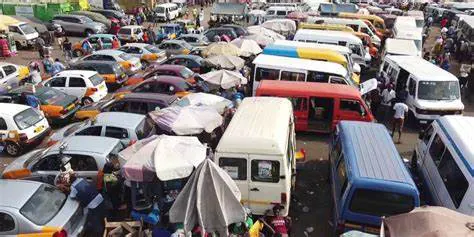
The agreed 8% increase will apply to all commercial passenger transport services, including trotros and shared taxis, covered by the fare structure. This development marks the end of consultations that had been ongoing for some time. Earlier, the unions had warned drivers against imposing unapproved fare increases on passengers.
The Ministry of Transport's decision aims to balance the financial needs of transport operators with the impact of fare increases on commuters. The government had been assessing the financial pressures facing operators alongside the potential effects on passengers. The agreed fare increase is expected to provide some relief to operators while also considering the needs of commuters.
With the new fares taking effect from September 26, commuters will begin paying the revised rates. The increase is expected to affect passengers using commercial public transport services across Ghana. The government and transport unions have been working together to find a mutually acceptable solution to the challenges facing the transport sector.
The fare increase is a result of a thorough review of the cost of running public transport in Ghana. The Ministry of Transport and transport unions have been engaging in discussions to address the rising costs of operations and their impact on the transport sector. The agreed 8% increase is seen as a necessary measure to ensure the sustainability of public transport services.
The implementation of the new fares will be closely monitored by the relevant authorities to ensure compliance. The government has urged transport operators to adhere to the agreed fare structure and avoid imposing unapproved increases on passengers. Key stakeholders will continue to engage in discussions to address any emerging challenges in the transport sector.
Key points
- The 8% increase in public transport fares in Ghana will take effect from September 26.
- The fare increase is attributed to rising operating costs, including fuel, vehicle maintenance, and spare parts.
- The government proposed a GHC2 per litre intervention on diesel to help reduce the pressure on transport operators.