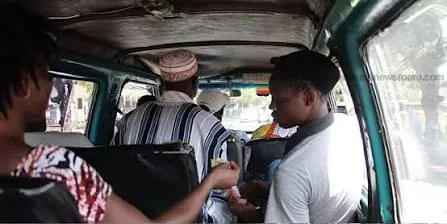
The Ministry of Transport, the Ghana Private Road Transport Union (GPRTU), and the Ghana Road Transport Coordinating Council (GRTCC) have reached a consensus on a new fare structure. This agreement brings an end to weeks of negotiations over the rising costs of operating commercial vehicles. The 8% increase will apply to commercial public transport services, including trotros and shared taxis, across Ghana.
The GPRTU had initially proposed a 30% increase in fares, citing significant rises in fuel, vehicle maintenance, spare parts, lubricants, insurance, and other operating expenses. However, after several rounds of negotiations, the union agreed to an 8% increase. The union had previously rejected proposals for a 10-15% increase, insisting that cost pressures facing commercial vehicle operators required a higher adjustment.
According to GPRTU Deputy Public Relations Officer, Samuel Amoah, the union had emphasized the need for a substantial increase due to rising costs. He pointed to increases in insurance premiums, DVLA charges, and vehicle parts as key factors. For instance, annual insurance premiums for a 15-seater vehicle rose from GH¢837 to GH¢994, while premiums for a 23-passenger Sprinter increased from GH¢930 to GH¢1,194.
The government had proposed measures to cushion operators and commuters, including a GH¢2-per-litre intervention on diesel. A joint team comprising representatives of the Ministry of Transport, GPRTU, and GRTCC reviewed cost components and made recommendations to guide the final fare decision. The negotiations continued amid renewed pressure from higher petroleum prices, with the National Petroleum Authority (NPA) raising the price floor for petrol and diesel from September 16.
The prolonged fare review process has now concluded, with commuters set to pay 8% higher fares from September 26. Transport operators had been cautioned against charging passengers above officially approved fares during the negotiations. The new rates will apply across the affected commercial public transport services in accordance with the agreed fare structure.
The 8% increase is a compromise between the government's proposal and the union's demands. While the union had sought a higher increase, the agreed rate is expected to balance the needs of both operators and commuters. The implementation of the new fare structure is set to bring relief to operators who have been facing significant cost pressures.
The agreement also highlights the efforts of the government and transport operators to find a mutually beneficial solution. The Ministry of Transport and other stakeholders will continue to monitor the impact of the fare increase on commuters and operators. The new fare structure is expected to take effect from September 26, 2026.
Key points
- The 8% increase in public transport fares in Ghana will take effect from September 26, 2026.
- The Ghana Private Road Transport Union (GPRTU) had initially proposed a 30% increase in fares.
- The negotiations involved a joint team comprising representatives of the Ministry of Transport, GPRTU, and GRTCC.