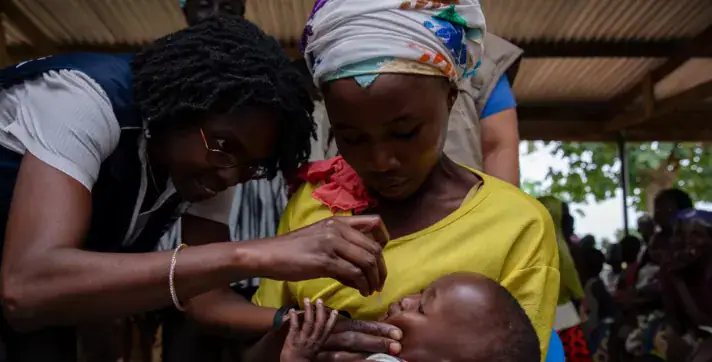
As Ghana enters the dry season, public health officers are urging residents, particularly in northern Ghana, to take preventive measures against yellow fever and meningitis. The Ghana Association of Public Health Technical Officers (GAPHTO) has issued a public health advisory, emphasizing the need for increased public awareness, early detection, and prompt reporting of suspected cases. This warning aims to mitigate the risks associated with these diseases.
According to GAPHTO's National President, Joseph Owusu-Asante, the yellow fever situation is currently being managed by the Ghana Health Service, with reported cases declining compared to the outbreak period. However, he cautioned that yellow fever remains a serious disease that can result in death if not detected and managed early. Residents are advised to be vigilant and report any suspected cases to health facilities.
Owusu-Asante identified yellowing of the eyes, medically known as jaundice, as a key warning sign of yellow fever. He urged anyone experiencing this symptom to report to a health facility for assessment and testing. Prompt medical attention is crucial in managing the disease and preventing fatalities. Public health officers are working to educate residents on the risks and symptoms of yellow fever.
In addition to yellow fever, Owusu-Asante also highlighted the risks of meningitis. He identified severe headaches, fever, and a stiff neck as major symptoms, advising the public to seek immediate medical attention if they experience such signs. Meningitis is a serious disease that requires prompt treatment to prevent complications and fatalities.
To prevent the spread of these diseases, residents are encouraged to drink plenty of clean water, maintain good environmental hygiene, eliminate mosquito breeding sites, and ensure that children receive their routine vaccinations. These simple measures can significantly reduce the risks of yellow fever and meningitis. Public health officers are promoting these preventive measures to protect residents.
Owusu-Asante further called on the government and other stakeholders to improve logistical support for frontline disease surveillance officers. He emphasized the need for motorbikes, vehicles, and fuel to facilitate disease investigations in remote communities. Strengthening surveillance at the community level is essential to detecting and responding to disease outbreaks promptly.
The public health advisory serves as a reminder of the importance of vigilance and preventive measures during the dry season. Residents are urged to take the necessary precautions to protect themselves and their communities from yellow fever and meningitis. By working together, Ghanaians can mitigate the risks associated with these diseases and promote a healthier environment.
Key points
- Public health officers urge Ghanaians to take precautions against yellow fever and meningitis as the country enters the dry season.