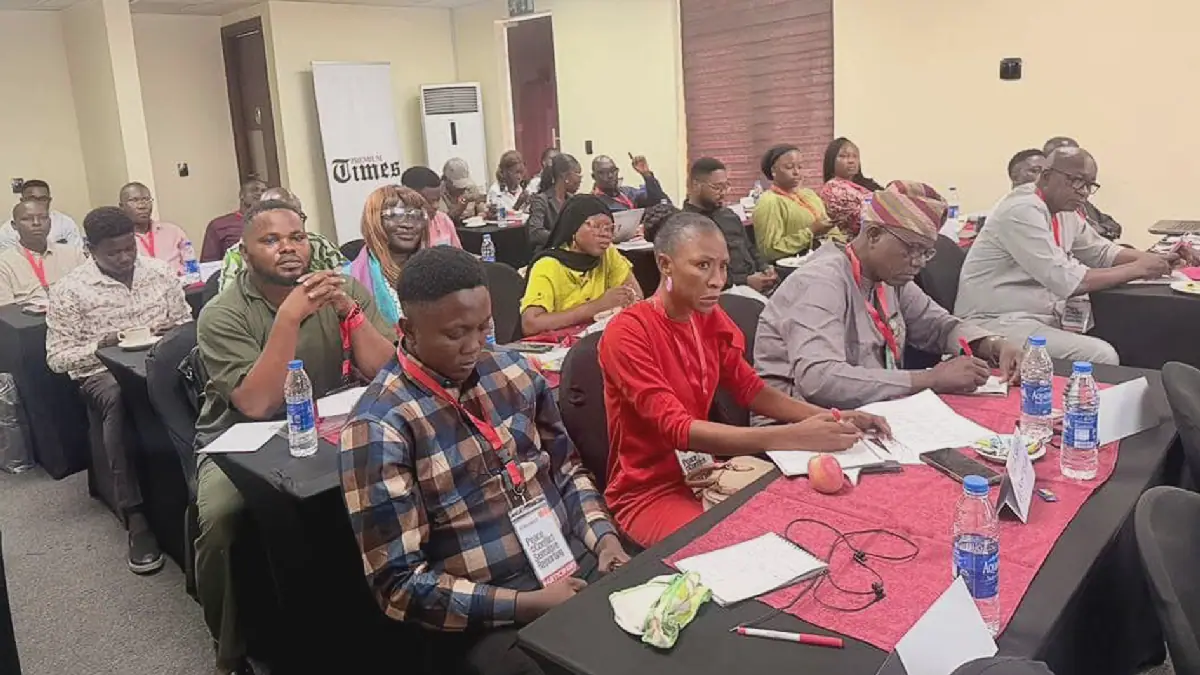
The Premium Times Academy has started a two-day training program for journalists in Lagos on peace and conflict-sensitive reporting. The program aims to equip journalists with the knowledge and confidence to make sound editorial decisions when reporting conflict-related issues. Journalists from different media organizations are participating in the training to examine the growing importance of responsible reporting. This is particularly relevant given the current security challenges, community disputes, and political and social tensions.
During the training, participants will examine the causes of conflict, how it develops, and the interests of different parties involved. The sessions will also focus on handling sensitive stories, choosing appropriate language, verifying information, and identifying the dangers of hate speech and misinformation. Organizers emphasize that journalists must consider how their reports shape public understanding of events, beyond simply telling audiences what happened.
Ifeyinwa Uzoka, a representative of the PTTA, welcomed participants and highlighted the importance of conflict-sensitive reporting. She noted that journalists' reports could promote understanding and draw attention to the experiences of people affected by conflict. However, she warned that careless language, incomplete information, and inadequate context could deepen divisions and create further misunderstanding.
Uzoka stressed that conflict-sensitive reporting should not prevent journalists from asking difficult questions, exposing uncomfortable truths, or demanding accountability. Rather, it is about carrying out that responsibility with accuracy, fairness, and a good understanding of the situation being reported. She acknowledged the experience participants brought to the training and noted that their exposure to different reporting environments and challenges would enrich discussions.
The program aims to provide a platform for facilitators to share their expertise and for journalists to exchange practical experiences from the field. Uzoka expressed hope that the discussions would provide practical guidance participants could apply in their respective newsrooms. She urged the journalists to participate actively, approach the sessions with open minds, and take away lessons that would improve their coverage of conflict and other sensitive issues.
Uzoka also acknowledged the pressures journalists face, including limited information, tight deadlines, and the need to publish stories quickly. She emphasized that the training would help journalists develop the skills and confidence to report on conflict-related issues responsibly. The program is expected to enhance the quality of reporting on sensitive issues and promote a more informed public discourse.
The training program is a significant initiative by the PTTA to promote responsible reporting in Nigeria. By equipping journalists with the skills and knowledge to report on conflict-related issues effectively, the program aims to contribute to a more informed and peaceful society. The participants are expected to return to their newsrooms with a deeper understanding of the importance of conflict-sensitive reporting and the skills to implement it in their work.
Key points
- Journalists are being trained on conflict-sensitive reporting to promote responsible and accurate reporting on sensitive issues.
Reporting sources
- The Guardian · The Guardian