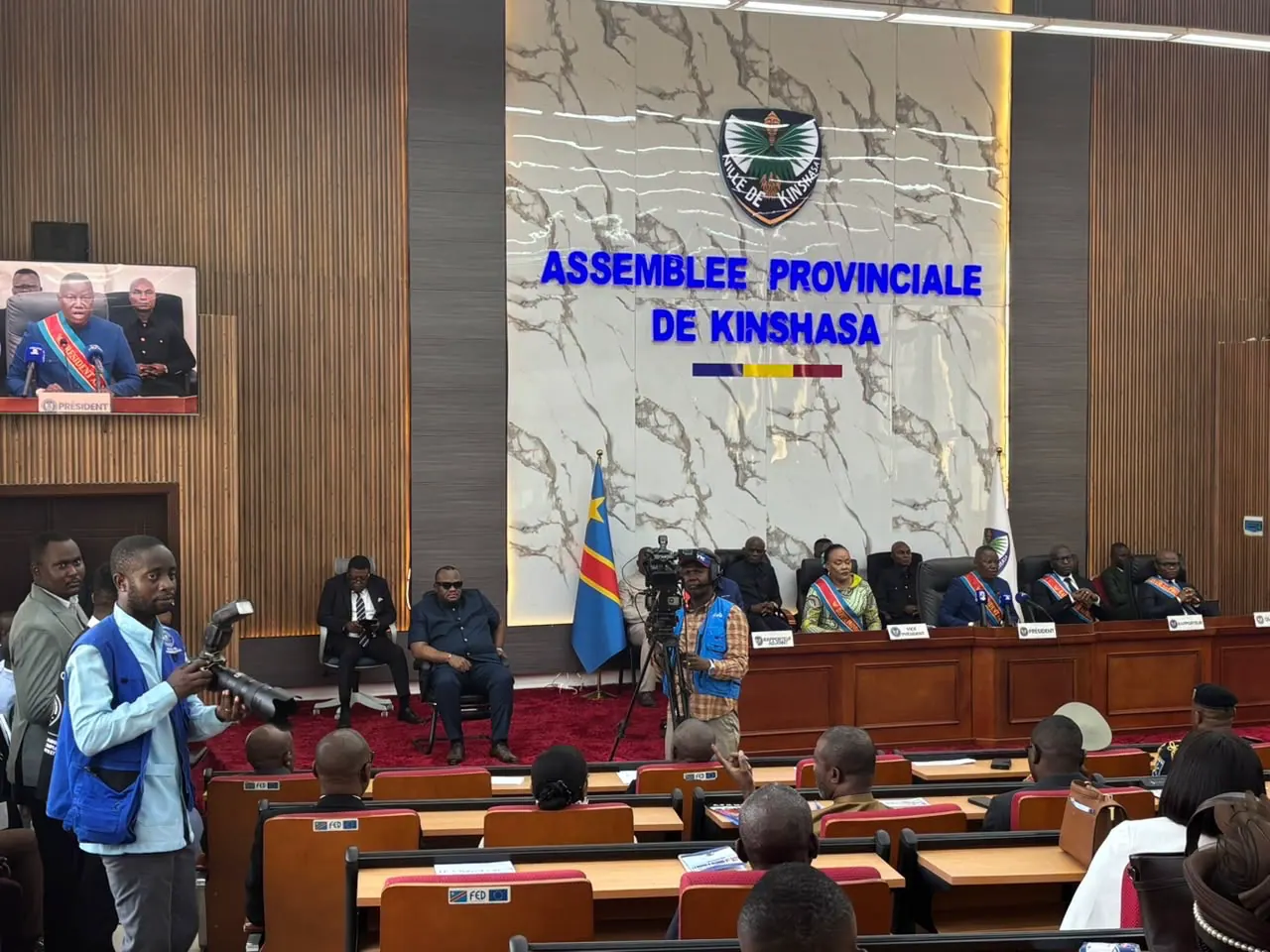
Provincial deputies in the Democratic Republic of Congo have boycotted the parliamentary session that was set to begin on September 30, 2026. In Kinshasa, the deputies are demanding ten months of unpaid allowances and have asked the bureau of the provincial assembly not to organize the official opening ceremony. This move is aimed at pressuring the government to address their concerns. According to Forum des As, the boycott is a way to maintain pressure on the government, which has been unresponsive to their demands.
The boycott is not limited to Kinshasa, as other provinces are also experiencing similar challenges. In Kindu, Maniema province, the parliamentary session was marked by tension, with the interim president of the provincial assembly, Docta Buledi Théophile, denouncing attempts to destabilize the institution. He promised to prioritize the payment of parliamentary arrears from the previous session. This development highlights the challenges facing provincial assemblies in the DRC.
Financial difficulties are a major challenge facing provinces in the DRC. According to Le Potentiel, the budget session in Kasaï-Oriental province is opening amid significant financial difficulties. The president of the provincial assembly, Willy Muya, cited the low level of revenue mobilization as a major constraint, which is affecting the province's ability to finance its policies and meet the basic needs of its population.
The situation in Haut-Katanga province is also precarious. The provincial assembly has made the examination of the 2027 budget a priority. However, the president of the assembly, Michel Kabwe Mwamba, has raised concerns about the security situation in the Mitwaba territory and the health situation in the Pweto territory, over 400 kilometers from Lubumbashi.
The financial struggles of provinces in the DRC are a recurring theme. The country's provinces are facing significant challenges in mobilizing revenue, which is affecting their ability to deliver essential services to their populations. This has led to tensions between provincial assemblies and the government, with deputies demanding more support and resources.
The boycott of the parliamentary session by deputies in Kinshasa and other provinces is a sign of the growing frustration with the government's response to their concerns. The deputies are demanding action on unpaid allowances and financial support for their provinces. The situation is likely to continue to unfold as the government responds to the deputies' demands.
The crisis highlights the need for the government to engage with provincial assemblies and address their concerns. The provinces play a critical role in delivering essential services to the population, and their financial struggles have significant implications for the country's development. The government needs to find a solution to the financial challenges facing provinces to ensure stability and effective governance.
Key points
- Deputies in Kinshasa and other provinces in the DRC boycott parliamentary session over unpaid allowances and financial difficulties.
- Financial difficulties are a major challenge facing provinces in the DRC, with low revenue mobilization affecting their ability to finance policies and meet basic needs.
- The boycott of the parliamentary session is a sign of growing frustration with the government's response to deputies' concerns.