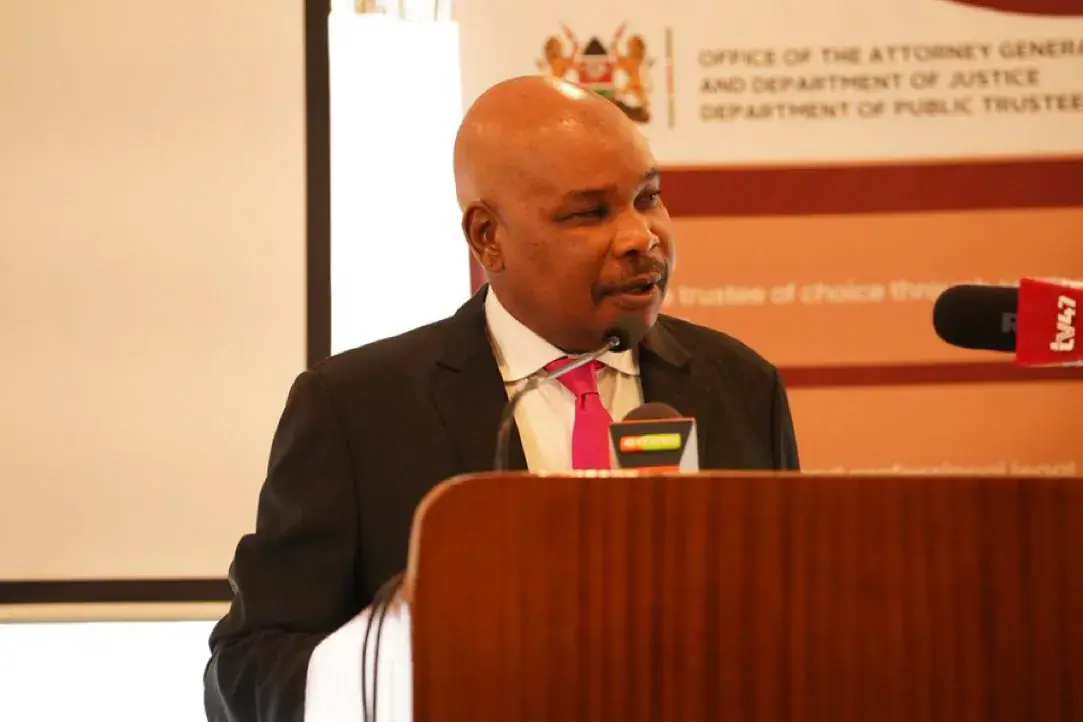
Victims of human rights violations during demonstrations and public protests in Nairobi have called for justice and accountability beyond financial compensation. They raised concerns during a meeting with the Panel of Experts on Compensation of Victims of Human Rights Violations on Friday, November 27. The panel, chaired by Prof Makau Mutua, acknowledged their concerns and reaffirmed that justice, accountability, and comprehensive reparations would remain central to its work.
The panel emphasized that compensation should not be treated as an end in itself but as part of a wider process of redress, recognition, restoration, and healing. Mutua formally delivered both the presidential and State apologies to the victims, acknowledging the suffering and lasting impact of human rights violations on them and their families. The apologies form part of the broader National Healing and Reconciliation process, which seeks to restore public trust and repair the relationship between the State and citizens.
The Nairobi engagement brought together representatives from the Independent Policing Oversight Authority (IPOA), Kenya National Commission on Human Rights (KNCHR), National Government Administration Officers, civil society organisations, and the National Police Service. The participation of these institutions reflected a shared commitment to addressing victims' concerns, strengthening accountability, and protecting human rights. IPOA reaffirmed its commitment to independent policing and accountability, saying it would continue working with the panel to strengthen public trust in the police.
The KNCHR also pledged continued support, emphasising the need for a victim-centred approach and the inclusion of victims' voices in the panel's recommendations. Beyond compensation for past violations, the panel is pursuing legal and institutional reforms to prevent similar abuses from happening again. It pointed to the draft Facilitation of Assembly, Picketing and Demonstration Bill, 2026, which is being developed through a multi-stakeholder process involving victims.
The proposed law seeks to give effect to Article 37 of the Constitution, which guarantees every person the right to assemble, demonstrate, picket, and present petitions peacefully and unarmed. The panel said involving victims in developing the legislation was important in ensuring their experiences informed measures intended to protect constitutional freedoms. It also pledged to maintain direct engagements with victims, their families, and beneficiaries to address concerns, clarify the status of claims, and assess their welfare.
The panel said it was committed to ensuring that no eligible victim would be left behind. The engagements would provide an opportunity to listen to victims and ensure they were treated with dignity and respect throughout the compensation process. The panel is scheduled to undertake regional visits and stakeholder consultations from November 30 to December 4, covering Nyanza, Central, and Western regions. The visits will involve engagements with victims and discussions on the proposed Article 37 legislation.
The panel was established to address compensation for victims of human rights violations, including those arising from demonstrations and public protests. Key stakeholders have expressed their commitment to working with the panel to ensure that victims receive justice and accountability. Three key points have emerged from the engagement: the need for a victim-centred approach, the importance of involving victims in developing legislation, and the commitment to pursuing legal and institutional reforms to prevent future human rights violations.
Key points
- The panel emphasized that compensation should not be treated as an end in itself but as part of a wider process of redress, recognition, restoration, and healing.
- The proposed law seeks to give effect to Article 37 of the Constitution, which guarantees every person the right to assemble, demonstrate, picket, and present petitions peacefully and unarmed.
- The panel is committed to ensuring that no eligible victim will be left behind and will maintain direct engagements with victims, their families, and beneficiaries.