Taking care of one's hair does not require wearing it loose or skipping styling altogether. The right hairstyle can give hair a rest from daily combing, heat, and handling while still keeping one looking polished. Protective styles are especially valuable for people with textured or natural hair, as they can cut down on breakage and support length retention when installed and cared for properly.
A low-maintenance style does not automatically make it protective. Avoiding too much tension, keeping the scalp clean, and giving hair breaks between installations are just as important as the style itself. There are several go-to choices for protective styling, including braids, cornrows, crochet styles, wigs, locs, micro links, and sister locs. Each style has its benefits and requirements for proper installation and maintenance.
Braids, such as knotless braids, box braids, and shorter plaited styles, can save one from combing and restyling hair every day. However, braids only help when they are gentle on hair. If they hurt, pull at edges, or feel too heavy, it is essential to speak up while they are being done. Keeping the scalp clean, caring for the hair underneath, and taking the braids out before they become difficult to manage are also crucial.
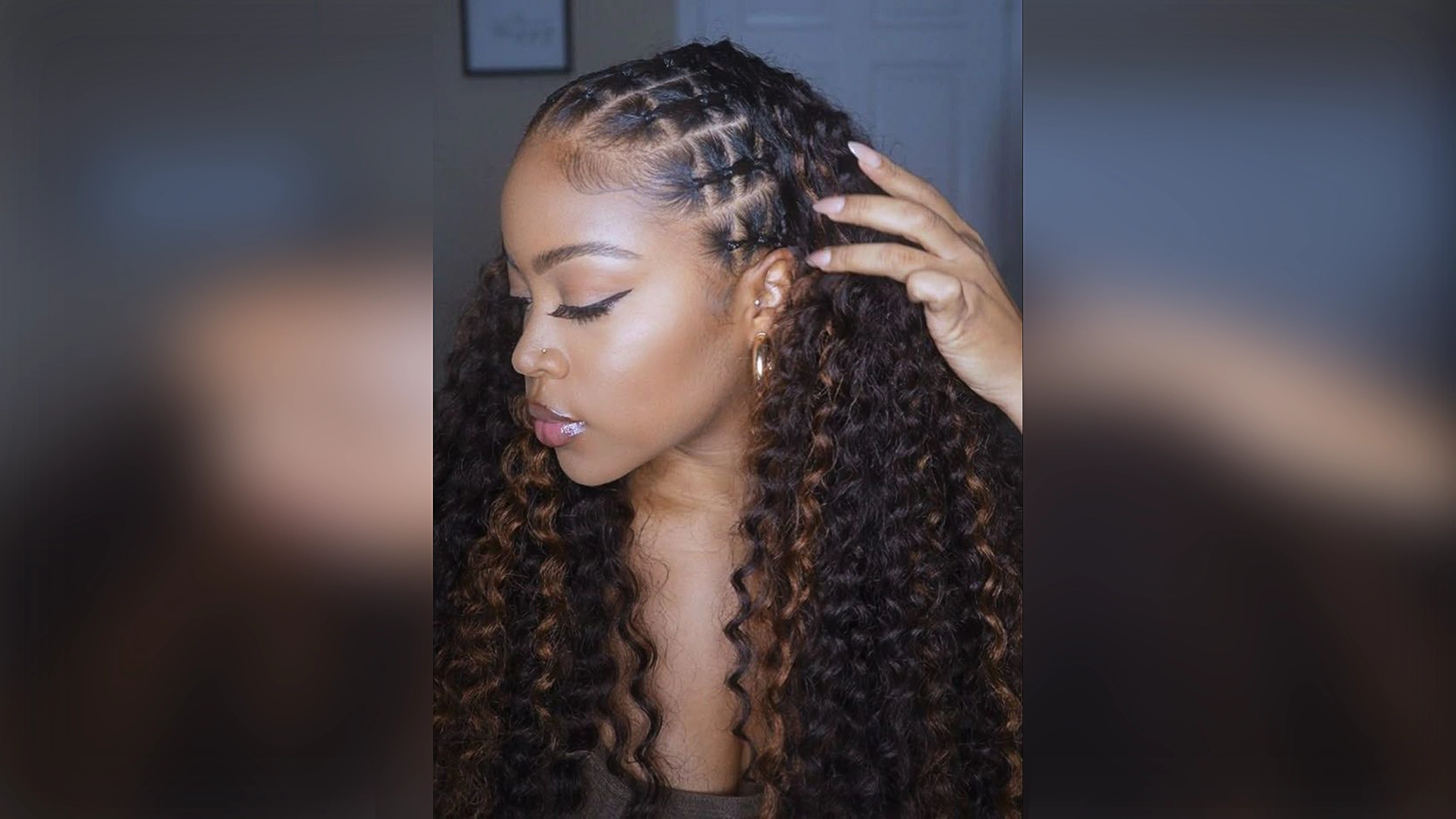
Cornrows are created by braiding hair close to the scalp in straight rows or more detailed patterns. They keep hair in place, reduce daily combing, and can serve as a base for wigs. Cornrows are a practical choice for anyone who wants a neat, low-maintenance style. However, cornrows that feel painful or pull at the hairline are too tight, and gentle installation and regular scalp care can help reduce breakage and protect edges.
Crochet styles begin with natural hair braided into cornrows, and a stylist then uses a crochet needle to loop extensions through the braided base, creating curls, twists, or added volume. Because natural hair stays tucked away, the style can reduce daily combing and restyling. However, cornrows should not feel tight, and extensions should not be too heavy. Keeping the scalp clean and caring for the hair underneath are also important.
Other protective styles include wigs, locs, micro links, and sister locs. Wigs offer an easy way to change hairstyle without cutting, coloring, or applying heat to natural hair. Locs eliminate the need for daily detangling and restyling, making them a low-maintenance long-term option. Micro links add length and volume without glue or heat, while sister locs provide a thinner, more uniform version of traditional locs.
Choosing the right protective style requires consideration of installation, maintenance, and removal. A good protective style should not cause ongoing pain, excessive pulling, or irritation. Giving hair and scalp time to recover between styles, staying on top of moisture, and avoiding too much tension can help prevent unnecessary damage. The goal of protective styling is to promote healthy hair while enjoying a stylish, low-maintenance look.
Key points
- Protective styles can reduce daily combing, heat, and handling, promoting healthier hair.
- Proper installation, maintenance, and removal of protective styles are crucial for their effectiveness.
- There are several protective styles to choose from, including braids, cornrows, crochet styles, wigs, locs, micro links, and sister locs.