As South Africa marks Heritage Day, there is a growing recognition that the country's natural heritage plays a critical role in its fight against climate change. Dr. Luyanda Mafumbu, Deputy Director for Climate Change in eThekwini Municipality, argues that protecting heritage must extend beyond traditions and history to include Indigenous Knowledge Systems and the natural environment. This approach can help communities prepare for climate change and protect resources for future generations.
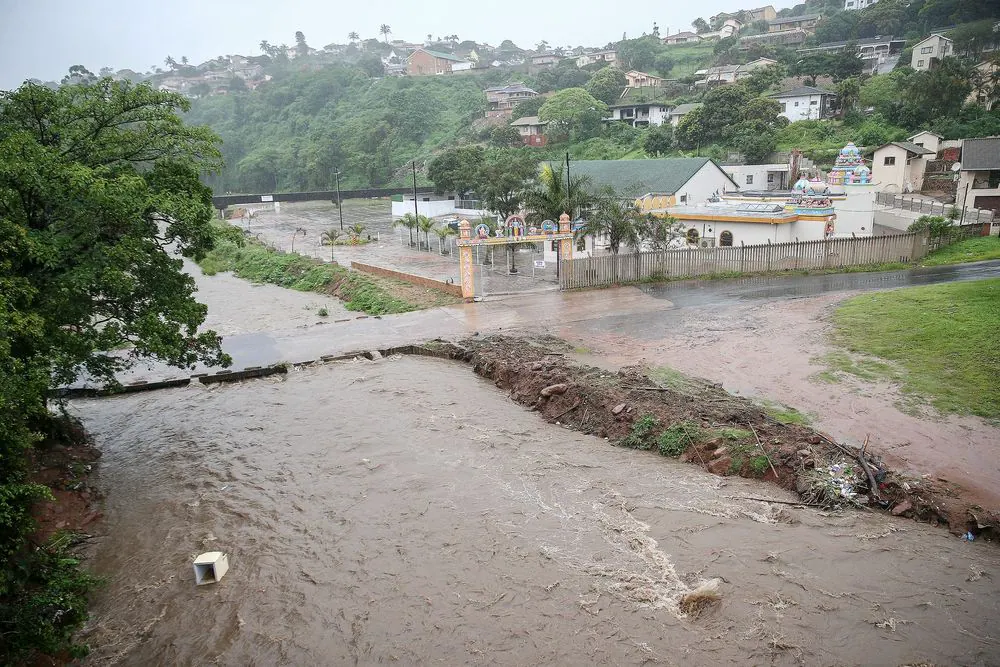
Every year on Heritage Day, South Africans celebrate the traditions, cultures, languages, and histories that shape the national identity. However, heritage is not only about preserving the past; it is also about protecting the knowledge, resources, and environments that will sustain future generations. In eThekwini, communities are experiencing the impacts of climate change through floods, storms, droughts, rising temperatures, and increasing pressure on natural ecosystems.
Indigenous Knowledge Systems have been developed over generations, providing a deep understanding of local environments. Through observation and lived experience, people have learned to read seasonal changes, identify rainfall patterns, understand soil conditions, protect water sources, and manage natural resources. This knowledge has been passed down through families and communities for centuries and remains relevant today.
The most effective climate responses are those that bring different forms of knowledge together. While scientific research provides vital climate projections, risk assessments, and technological innovations, Indigenous Knowledge offers local context and practical insights grounded in place and experience. The Durban Climate Change Strategy recognises the value of Indigenous Knowledge in understanding climate impacts, protecting biodiversity, and supporting sustainable agricultural practices suited to local conditions.
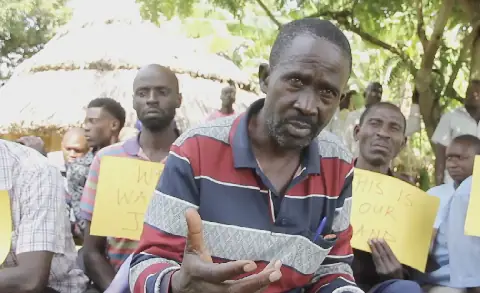
The eThekwini Municipality has worked to strengthen collaboration with traditional leaders and communities, hosting a Traditional Leaders Disaster Management Workshop aimed at improving preparedness for climate-related disasters. These engagements create opportunities to combine local experience with modern climate information and emergency planning. The Municipal Forum for Climate Change brings together traditional leadership, civil society, business, organised labour, and government stakeholders to ensure that climate action reflects both scientific evidence and community realities.
Protecting the environment is, in many respects, an act of protecting heritage. The rivers, wetlands, forests, coastline, and biodiversity of eThekwini form part of the natural legacy that has been inherited. These ecosystems support livelihoods, provide essential services, and contribute to the wellbeing of communities. However, they are increasingly vulnerable to climate change and environmental degradation.
Heritage Day offers an opportunity to reflect not only on where South Africans come from but also on what they choose to pass on. The decisions made today about the environment, ecosystems, and knowledge systems will influence the resilience and wellbeing of generations to come. As residents of eThekwini, each person has a role to play in conserving water, reducing waste, planting indigenous trees, protecting rivers and wetlands, supporting local food production, or teaching younger generations about environmental stewardship.
Key points
- Combining traditional knowledge with science can help eThekwini communities prepare for climate change and protect resources for future generations.
- Protecting the environment is crucial in the fight against climate change, and it requires a collaborative effort from all stakeholders.
- Preserving natural heritage is essential for sustaining future generations and building resilience against climate change.