Prostate cancer is a growing public health concern in Africa, with a recent study in Burkina Faso analyzing 3,994 prostate specimens collected over 10 years. The study, conducted across all pathology laboratories in the country, found 1,572 cases of prostate cancer, including 1,501 primary malignancies. This represents a prevalence of 37.58% and a mean of 150.1 cases per year. The findings highlight the significant burden of prostate cancer in Burkina Faso.
The study, published in Health Sciences and Diseases, revealed that the mean age of patients with prostate cancer was 70.11 years, with a standard deviation of 8.33 years. The mean total PSA level was 410.88 ng/mL, with 92.55% of patients presenting with levels ≥ 10 ng/mL. The predominant histological subtype was acinar adenocarcinoma, accounting for 98.34% of cases. These findings suggest that prostate cancer in Burkina Faso is often diagnosed at an advanced stage.
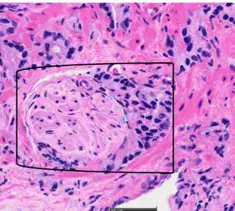
The study also evaluated histoprognostic factors, including Gleason score and ISUP grade group. The most frequent Gleason score was 7, accounting for 46.43% of cases, while the most common ISUP grade group was 1, representing 31.68% of cases. Perineural invasion, lymphovascular invasion, high-grade prostatic intraepithelial neoplasia lesions, and periprostatic adipose tissue infiltration were observed in 35.75%, 7.50%, 9.75%, and 26.25% of cases, respectively.
The association between digital rectal examination findings and Gleason score was statistically significant, with a p-value of 0.0002 and a Cramér's V of 0.3011. The correlation coefficient between total PSA and Gleason score was 0.32, indicating a moderate positive correlation. These findings suggest that digital rectal examination and PSA levels can be useful tools in the diagnosis and prognosis of prostate cancer.
The study's results have important implications for prostate cancer management in Burkina Faso. The high prevalence of advanced-stage diagnoses highlights the need for targeted screening protocols to detect prostate cancer earlier. The implementation of binary and standardized histopathological reporting can also help optimize patient management. The study's findings can inform public health strategies to address the growing burden of prostate cancer in Africa.
Prostate cancer is a significant public health challenge in Africa, with varying incidence rates across countries. According to the International Agency for Research on Cancer, Africa has some of the highest incidence rates of prostate cancer globally. The study's findings in Burkina Faso are consistent with previous research in other African countries, highlighting the need for a coordinated approach to address the continent's prostate cancer burden.
The study's authors emphasize the importance of early diagnosis and treatment in improving prostate cancer outcomes. They recommend that healthcare providers in Burkina Faso and other African countries prioritize prostate cancer screening and diagnosis, particularly among high-risk populations. The study's findings can inform the development of effective prostate cancer control programs in Africa, ultimately reducing the burden of this disease on patients and healthcare systems.
Key points
- Prostate cancer in Burkina Faso is often diagnosed at an advanced stage, highlighting the need for targeted screening protocols.
- The study found a significant association between digital rectal examination findings and Gleason score, and a moderate positive correlation between total PSA and Gleason score.
- Implementing binary and standardized histopathological reporting can help optimize patient management and improve prostate cancer outcomes in Burkina Faso and other African countries.