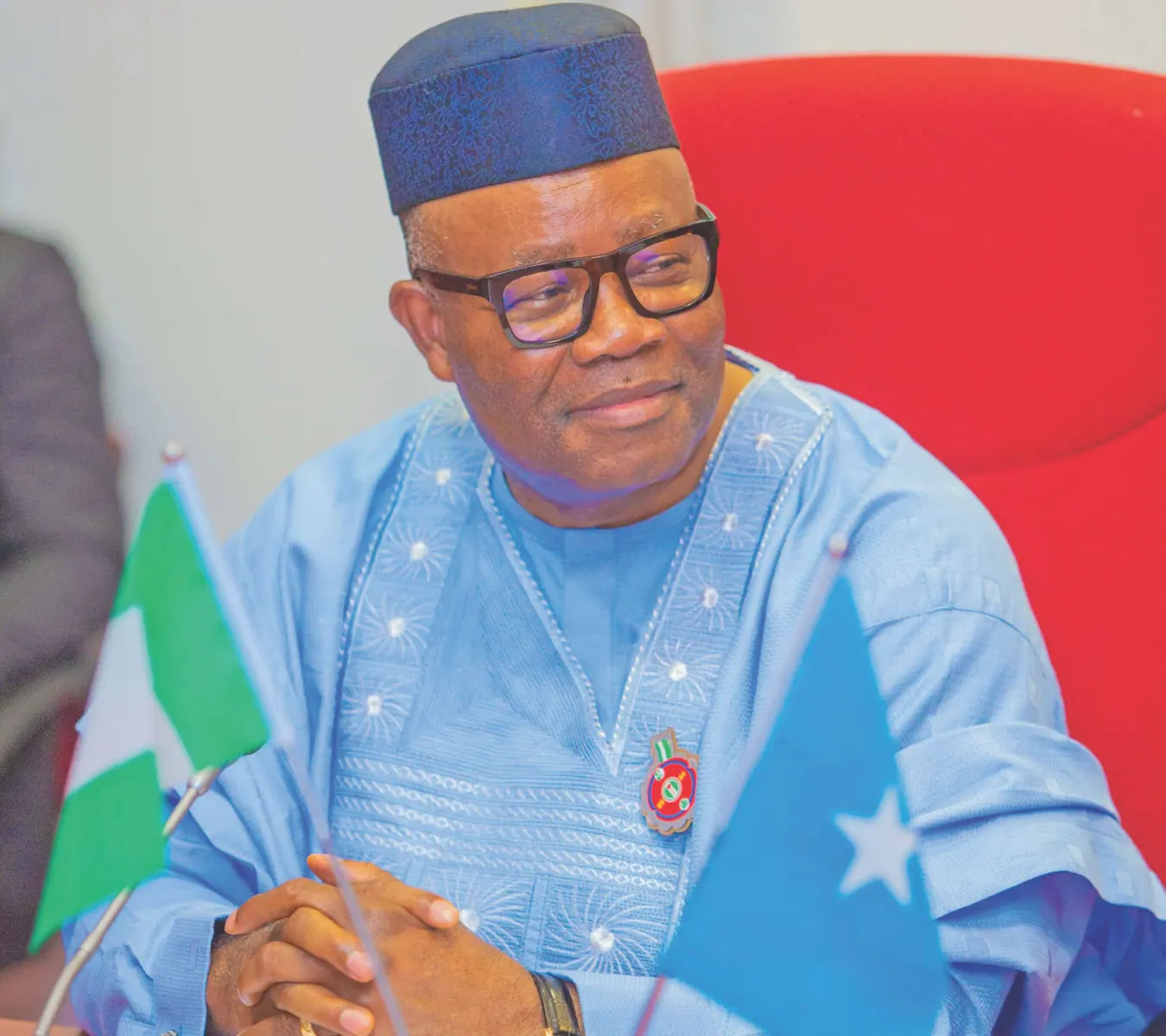
A growing trend of cooperation between Nigeria's legislative and executive branches is being championed by senators Godswill Akpabio, Victor Umeh, and Enyinnaya Abaribe. This shift comes amid widespread criticism of the Senate's perceived subservience to the Presidency. Despite concerns over foreign loans and the ease of their approval, Akpabio's leadership has maintained stability in the Senate through a policy of partnership with the executive.
Akpabio's approach has demonstrated tangible results, including the avoidance of confrontational politics. By fostering a good working relationship with the executive branch, he has ensured a relatively smooth operation of the Senate. This accord has also been reflected in the internal workings of the Senate, with Akpabio taking the initiative to drop counter lawsuits against Senator Natasha Akpoti in January.
Senators Umeh and Abaribe have also made notable interventions, including objecting to the omission of a southeast nominee in the National Communication Commission board in October 2025. Their actions reflect a growing desire to address issues of regional marginalization and promote inclusivity in governance.
The collaboration between Akpabio, Umeh, and Abaribe signals a departure from the typical adversarial approach to governance in Nigeria. By working together, they aim to promote a more effective and efficient government. This trend is significant, given the challenges facing Nigeria's governance structure since independence.
Critics have long accused Nigerian leaders of corruption and inefficiency. However, Akpabio's gesture towards Senator Akpoti demonstrates his commitment to finding common ground, even in the face of non-reciprocation. This approach has contributed to a more stable Senate and may serve as a model for future collaborations.
The issue of regional marginalization, particularly with regards to the Igbo or southeast region, remains a pressing concern in Nigeria. Senators Umeh and Abaribe's intervention in the NCC nomination process highlights the need for greater representation and inclusivity in governance.
As the Nigerian government continues to grapple with nationhood challenges, the leadership approach of senators Akpabio, Umeh, and Abaribe offers a promising path forward. Their commitment to cooperation and collaboration may help address some of the country's governance challenges and pave the way for more effective leadership.
Key points
- Senators Akpabio, Umeh, and Abaribe are promoting a collaborative governance approach in Nigeria.
- Akpabio's leadership has maintained stability in the Senate through a policy of partnership with the executive.
- The senators' interventions reflect a growing desire to address issues of regional marginalization and promote inclusivity in governance.