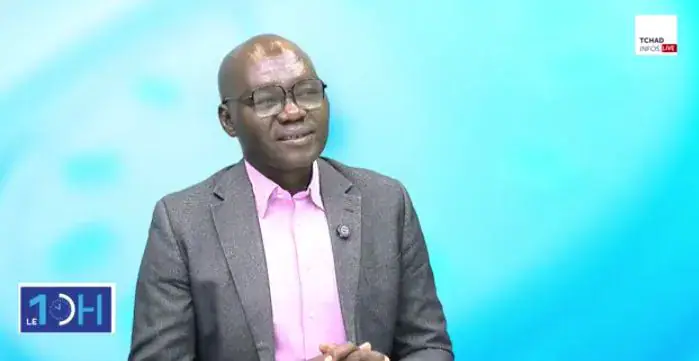
As repeated strikes cripple Chad's public education system, an increasing number of parents are turning to private schools to ensure their children's education continuity. This shift is driven by the desire for better educational quality and stability. In some areas, the lack of public schools forces families to opt for private institutions. According to Bouloalta Rimini, a specialist in education, there are two categories of private schools in Chad.
Bouloalta Rimini explains that the first category of private schools views education as an economic service, where students are treated as clients. In contrast, the second category considers school as a social, human, and intellectual mission, prioritizing students' learning. Not all private schools share the same objectives, with some focusing on profit and others dedicating their resources to providing quality education. This distinction significantly impacts the educational experience offered to students.
The main issue with Chad's private education sector, according to Bouloalta Rimini, is exclusion due to high tuition fees. This prevents some parents from enrolling their children in private schools. Ideally, a private school should be accessible to all, without exception. He emphasizes that education should primarily be the state's responsibility, but given the state's limitations, some individuals establish private schools to support families.
Bouloalta Rimini notes that certain private schools organize selection tests, often admitting students who are already well-prepared, which can contribute to their strong academic performance. Other schools accept students of varying abilities, working with them and their parents to improve their results. He also criticizes public schools for lacking seriousness, with issues such as teacher absences and inadequate student supervision.
The specialist highlights that some competent teachers work in the private sector, sometimes teaching the same curriculum but in different conditions. He denounces practices that allow students who have not worked sufficiently to achieve high grades at the end of the year. Bouloalta Rimini advises parents to verify if a school is state-recognized before enrolling their child, suggesting they consult the inspection department for accurate information.
Bouloalta Rimini warns about schools issuing unofficial certificates, which can cause difficulties for students during official exams. He proposes that the ministry engage in dialogue with unions and encourage competent teachers through merit-based promotions. Regarding tuition fees, he believes setting a uniform rate might be challenging, but offering subsidies to private schools could help regulate costs and make education more accessible.
Ultimately, Bouloalta Rimini's insights underscore the complexities of Chad's education system and the growing reliance on private schools. As parents seek better educational opportunities for their children, the government faces the task of addressing public school shortcomings and ensuring that private education is accessible and of high quality. The sector's future development will likely depend on finding a balance between these competing interests.
Key points
- Chad's private schools offer an alternative to public education amid strikes and educational instability.
- There are two categories of private schools in Chad, with differing priorities and educational approaches.
- Exclusion due to high tuition fees remains a significant challenge for Chad's private education sector.