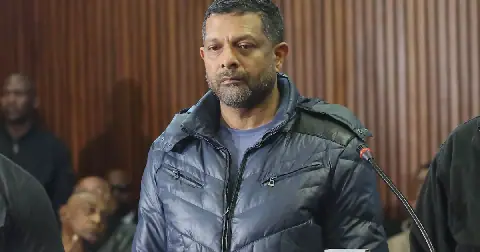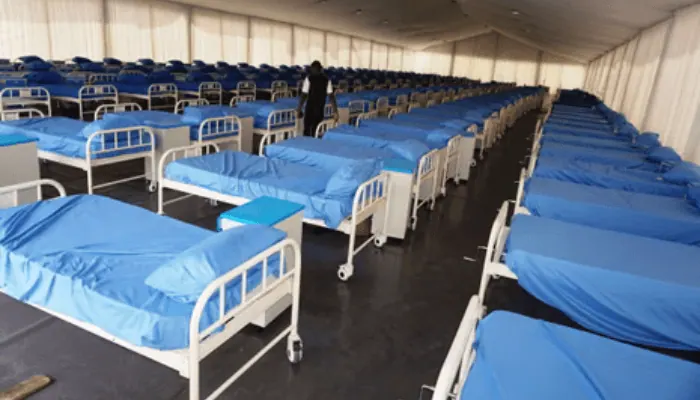
In a recent interaction with BusinessDay, Ashraf, a medical doctor and co-founder of Ashiraaf Hospital, emphasized that private hospitals in Nigeria are not solely business ventures, but also have a human side. He made this statement in Lokoja, highlighting that the choice of hospital depends on the services rendered. Ashraf's comments come at a time when the economic situation in Nigeria is affecting the healthcare sector. He pointed out that patients choose private hospitals based on perception and sentiment towards doctors.
Ashraf noted that while private hospitals have a business side, it is natural that services rendered may differ from those in government hospitals. In Lokoja, patients are not required to pay before receiving services. However, if a patient is unable to pay, they sign a document agreeing to pay later. This approach is not easy for either the patients or the hospital, but it is a system that has been working. Ashraf's statements reflect the challenges faced by private hospitals in balancing their business and human sides.
The issue of doctors diverting patients to private hospitals is difficult to eradicate, according to Ashraf. He believes that it is ultimately the patient's choice where they want to receive medical attention. Ashraf's comments come as concerns about the role of doctors in directing patients to private hospitals continue to be raised. The issue is complex, and Ashraf's perspective highlights the need for a nuanced understanding of the healthcare system.
Ashraf also addressed the issue of quackery in the medical profession, stating that the government has a significant role to play in addressing the problem. He pointed out that certain factors, such as the non-availability of basic amenities, roads, and water, contribute to quackery. Health personnel also play a role in fueling the problem. Ashraf advised the government to strengthen the Ministry of Health's department responsible for addressing quackery and empower them to take action.
To effectively address quackery, Ashraf urged the state government to employ more personnel in the Ministry of Health. This, he believes, will make it easier to tackle the issue in Kogi State and Nigeria as a whole. Ashraf noted that private sectors can only contribute to medical awareness and health education, but do not have the power to impose laws. He emphasized that governments are responsible for providing and enforcing laws.
The issue of counterfeit drugs is another significant challenge facing Nigeria's healthcare sector. Ashraf stated that the problem has been affecting the sector for a long time and is getting worse. The economic situation has led people to opt for cheaper, often counterfeit, drugs. Ashraf emphasized the need for relevant agencies, such as NAFDAC and SON, to help detect counterfeit drugs and raise awareness in rural areas.
Ashraf called on the government to play a more active role in addressing the issue of counterfeit drugs. He suggested that the government should identify and publicize counterfeit drugs, enabling health personnel to advise patients accordingly. If everyone plays their part, Ashraf believes that it will help the masses access proper medication for their ailments.
Key points
- Private hospitals in Nigeria balance business and human sides to provide healthcare services.
- The government has a significant role to play in addressing quackery and counterfeit drugs in the medical profession.
- Relevant agencies, such as NAFDAC and SON, are crucial in detecting counterfeit drugs and raising awareness.