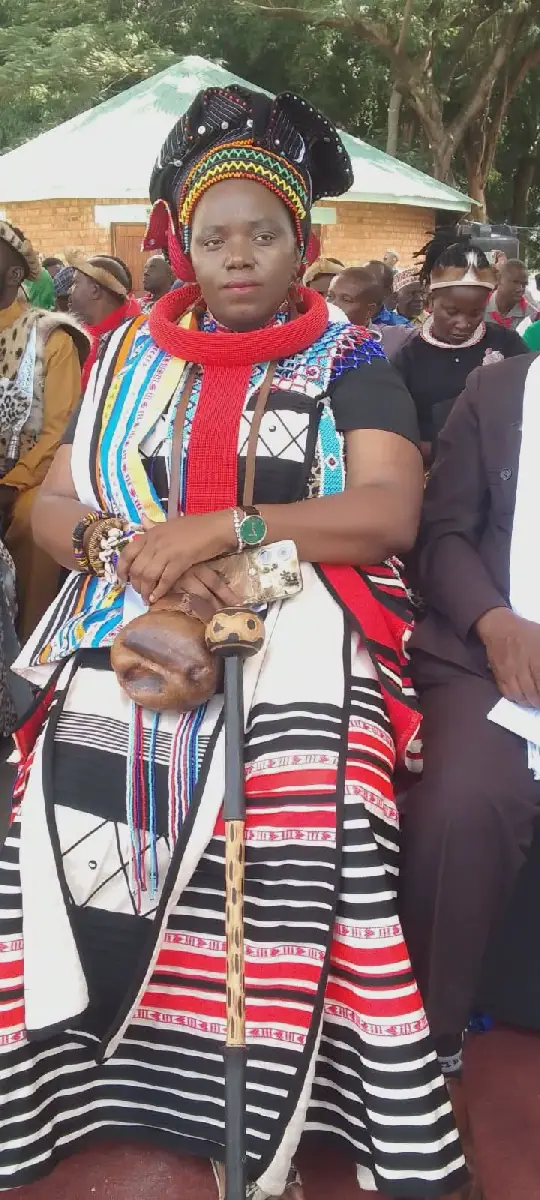
Princess Dr Chief Nikiwe Bam, founder and global president of Afrikan Indigenous Leaders, addressed the 120-year commemoration of the Majimaji Rebellion in Songea, Tanzania. She called for restitution, reparations, and cultural tourism development as essential for healing, dignity, and economic justice for Afrikan communities. The event was attended by regional leadership, traditional authorities, and Afrikan Indigenous leaders from Tanzania, Malawi, South Africa, and Zimbabwe.
The commemoration was led by Ambassador Dr Emmanuel Nchimbi, Vice President of the United Republic of Tanzania. Princess Dr Chief Nikiwe Bam described her presence in Songea as a spiritual return to hallowed ground. She emphasized that the Majimaji uprising was a profound Pan-Afrikan resistance movement against colonial domination. The uprising united diverse communities under the spiritual leadership of Kinjikitile Ngwale.
Princess Dr Chief Nikiwe Bam linked the historical event to present-day global policy processes. She referenced the C20 policy brief under South Africa’s G20 Presidency. The brief prioritizes the protection and restitution of cultural heritage and the formal inclusion of Indigenous peoples and traditional authorities in national, regional, and global decision-making.
The princess stressed that the return of looted artefacts, the repatriation of human remains, and the legal recognition of Indigenous leadership structures are essential for justice, identity, integrity, socio-economic empowerment, and inclusive global governance. She also noted the absence of the German Embassy from the commemoration.
Princess Dr Chief Nikiwe Bam emphasized that diplomatic engagement is central to healing and historical accountability. She acknowledged the apology previously expressed by President Frank-Walter Steinmeier for colonial-era atrocities in Africa. However, she stressed that commemorations present vital opportunities for the German government and its diplomatic representatives to participate directly in remembrance, dialogue, and reconciliation.
The princess drew a direct link between restitution and economic empowerment. She argued that heritage justice can unlock tangible development outcomes for local communities. The return of artefacts and ancestral remains will strengthen museums, deepen historical education, and grow cultural tourism.
Princess Dr Chief Nikiwe Bam called for structured investment to support regions involved in the Majimaji resistance. She advocated for properly resourced museums and memorial centres that educate citizens, scholars, and international visitors about the history of the Majimaji Rebellion.
Key points
- Princess Dr Chief Nikiwe Bam calls for restitution, reparations, and cultural tourism development at the 120-year Majimaji Rebellion commemoration.
- The commemoration was attended by regional leadership, traditional authorities, and Afrikan Indigenous leaders from across borders.
- Princess Dr Chief Nikiwe Bam emphasized the importance of diplomatic engagement and structured investment in heritage justice and economic empowerment.