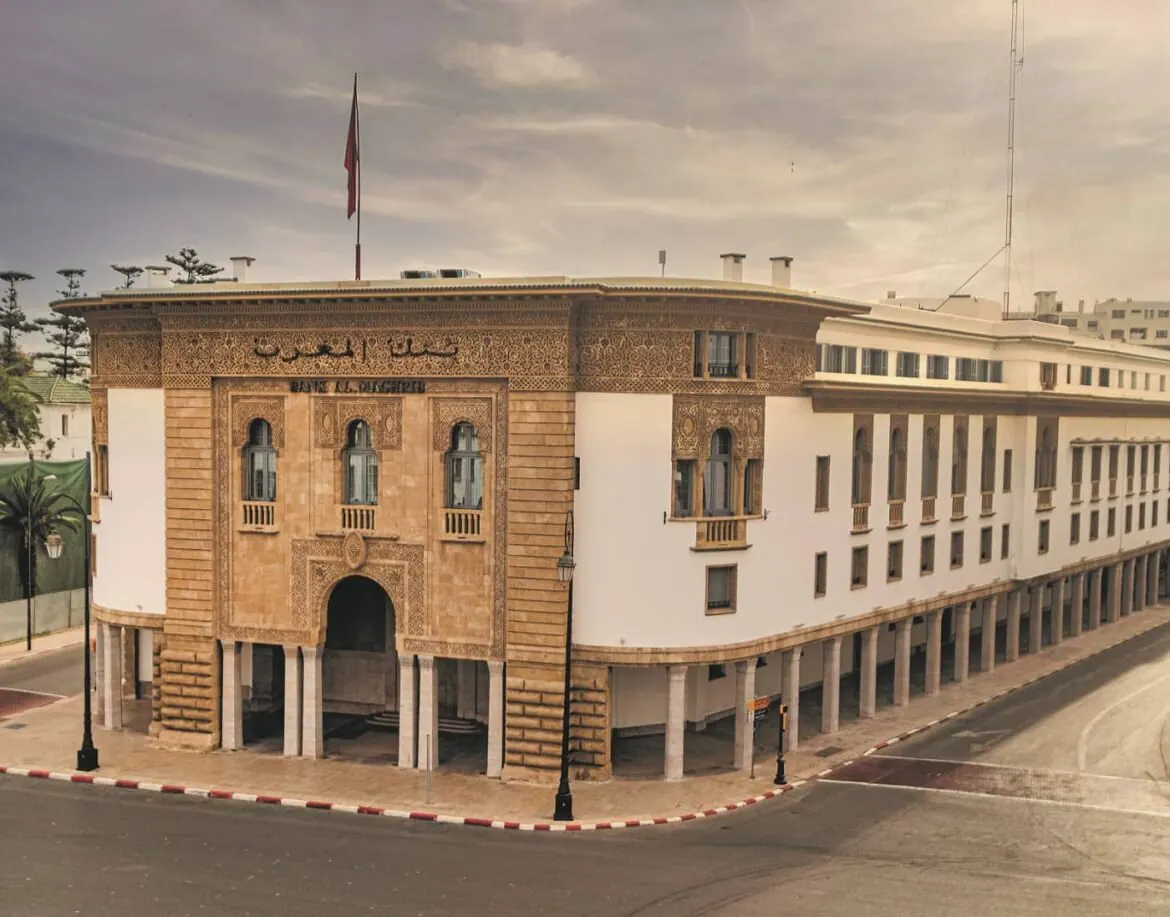
The Moroccan dirham has experienced a significant shift in the foreign exchange market since June, with the gap between the interbank rate and the central rate set by Bank Al-Maghrib (BAM) widening from -3.35% to 1.51% in four months. Despite this, the country's official reserves have increased from 495.8 billion dirhams to 503 billion dirhams over the same period. This suggests that the pressure on the dirham is more related to short-term foreign exchange flow issues rather than a reserve deficit.
According to economist Dirss Aissaoui, the recent depreciation of the dirham against the euro and US dollar can be attributed to a combination of external and internal macroeconomic factors. The main internal factor is the imbalance between imports and exports, with a significant increase in energy imports and industrial raw materials, leading to a surge in demand for foreign currencies. While sectors such as tourism and remittances from Moroccans living abroad are performing well, the contribution of traditional export sectors such as phosphates and fertilizers has been weaker, widening the trade deficit.
The energy bill is a significant contributor to the pressure on the dirham, with a 32.6% increase in the period. As Morocco imports most of its oil and gas, this translates into increased demand for foreign currencies on the interbank market. Importers, distributors, and industrialists all require foreign currencies to cover their needs, which puts pressure on the market. This demand is not speculative but rather driven by real, physical needs.
The global strength of the US dollar is also having an impact on the dirham, as the currency is pegged to a basket of currencies comprising 60% euros and 40% dollars. The increase in US interest rates and the global appreciation of the dollar are putting downward pressure on the dirham, leading to its depreciation against the euro and dollar.
Morocco operates a flexible exchange rate regime with a fluctuation band of ±5% managed by Bank Al-Maghrib. The recent shift from a situation of abundant liquidity to high tensions on the interbank market has pushed the value of the dirham towards the lower end of its fluctuation band. However, economists and indicators suggest that there is no cause for concern, as the country's foreign exchange reserves remain robust, exceeding 500 billion dirhams, or around six months of import coverage.
The Moroccan exchange rate regime has undergone significant changes in recent years. Prior to 2018, the fluctuation margin around the central rate was extremely narrow, at ±0.3%. In January 2018, Bank Al-Maghrib widened the fluctuation band to ±2.8%, and in March 2020, it was further widened to ±5%. This reform aims to give more flexibility to the dirham and allow the market to play its role as a signal, while preserving macroeconomic stability.
The current pressure on the dirham highlights the challenges facing the Moroccan economy, particularly in terms of managing foreign exchange flows and maintaining market stability. While the country's fundamentals remain solid, the depreciation of the dirham against major currencies is a concern that warrants close monitoring. The authorities will need to balance the need to maintain economic stability with the need to allow the market to function freely.
Key points
- The Moroccan dirham has faced significant pressure in recent months due to a combination of external and internal macroeconomic factors.
- The country's foreign exchange reserves remain robust, exceeding 500 billion dirhams, or around six months of import coverage.
- The Moroccan exchange rate regime has undergone significant changes in recent years, with a widening of the fluctuation band to ±5% managed by Bank Al-Maghrib.