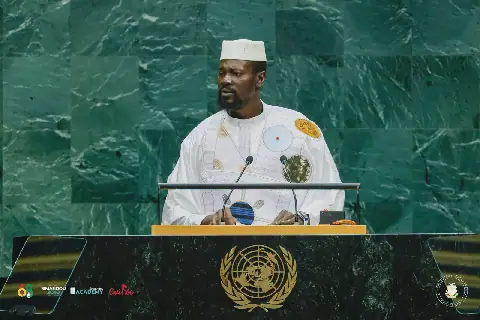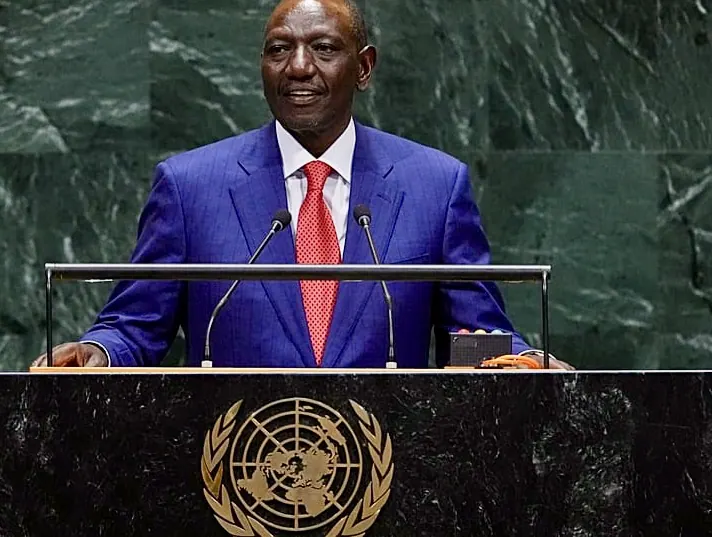
On September 23, Kenyan President William Ruto addressed the 81st United Nations General Assembly in New York, calling for a reform of the UN Security Council to grant Africa a permanent seat. He emphasized that the current composition of the Council no longer reflects the geopolitical realities of today. With 54 African countries being members of the UN, Ruto pointed out that it is unjust that none of them hold a permanent seat on the Security Council.
Ruto attributed this disparity to the international architecture established in 1945 when most African countries were still under colonial rule. He argued that since then, the world has changed significantly, but the Security Council has not. The President stressed that international institutions must evolve with the changing world. Africa, despite being frequently at the center of Security Council debates, particularly on peace and security issues, lacks a permanent voice.
The Kenyan President highlighted the paradox of Africa's significant involvement in UN peacekeeping operations and its substantial contribution to international peace and security efforts, yet remaining without a permanent seat on the Security Council. He urged for a reform that would give Africa a permanent and equitable representation on the Council. This stance aligns with the African Union's position in negotiations on Security Council reform.
Ruto's call for reform is not an isolated appeal. The African Union has long advocated for Africa's representation on the Security Council. The push for reform is driven by the need to make the Council more representative and inclusive of the global community. The UN Security Council currently consists of five permanent members and ten non-permanent members elected for two-year terms.
The issue of UN Security Council reform has been on the agenda for many years, with various countries and groups calling for changes to reflect the current global landscape. Africa's demand for a permanent seat is part of a broader push for greater representation in international institutions. This demand is supported by many countries and international organizations.
President Ruto's speech at the UN General Assembly was part of a broader discussion on international cooperation, peace, and security. His call for Africa's representation on the Security Council resonated with many delegates. The UN continues to face challenges in addressing global issues, and reforming its key bodies is seen as essential to improving its effectiveness.
The international community will be watching closely as discussions on UN Security Council reform continue. President Ruto's appeal adds to the growing momentum for change. Africa's push for a permanent seat on the Security Council is expected to remain a significant topic in international diplomacy.
Key points
- President William Ruto calls for UN Security Council reform to grant Africa a permanent seat.
- Africa currently has no permanent representation on the UN Security Council despite having 54 member states.
- The issue of UN Security Council reform has been ongoing for many years.