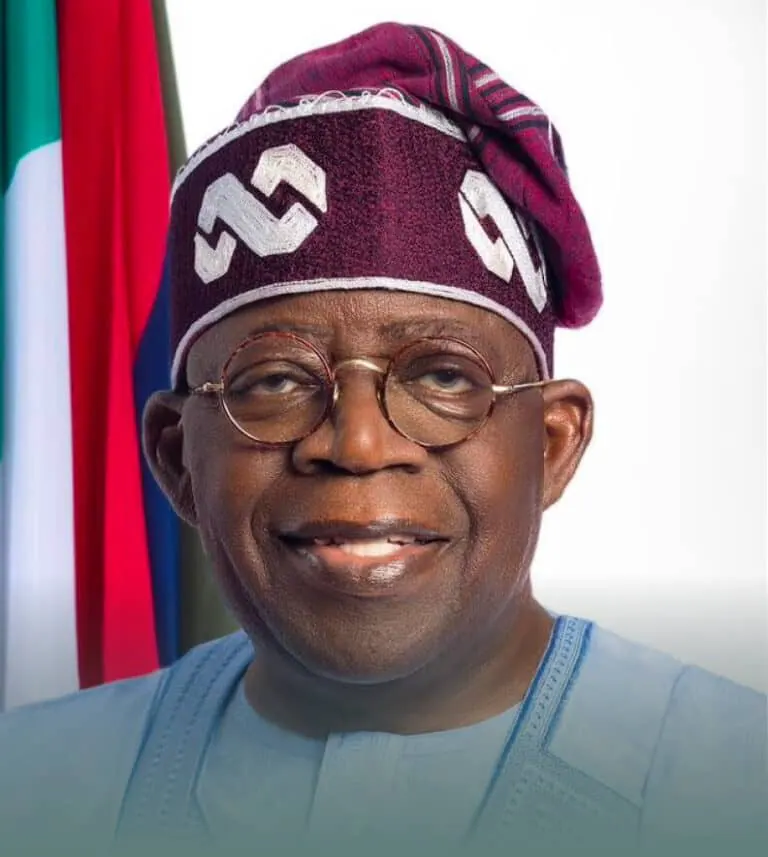
On October 1, President Bola Tinubu celebrated Nigeria's 66th independence anniversary with a message of hope and a call to action. He assured Nigerians that the country has moved beyond the period of economic reforms and entered an "age of prosperity." According to the President, his administration's reforms have strengthened Nigeria's economic stability and resilience. He cited significant reductions in the debt service-to-revenue ratio and notable increases in non-oil export revenue.
President Tinubu inherited an economy on the verge of collapse in 2023. Despite the challenges, he embarked on reforms to prevent economic chaos or bankruptcy. He drew inspiration from Harry S. Truman, the 33rd American president, who took responsibility for his achievements and liabilities. The President's reforms aim to address the nation's economic and security challenges. He highlighted the progress made in the fight against Boko Haram, IPOB/ESN, and banditry.
The President announced measures to address the struggles of Nigerian families. These include the NELFUND program, which has benefited approximately 510,000 students across 36 states and the FCT, with N99.5 billion loan and N44.7 billion upkeep allowance disbursed. Additionally, the Investment in Digital and Creative Enterprises (iDICE) program and the YouthCred initiative have provided affordable loans and consumer credit to Nigerians.
President Tinubu's administration has recorded notable economic achievements. The economy grew by more than four percent in 2026, and non-oil export revenue exceeded $6 billion in 2025. The President's reforms have also led to a significant reduction in the debt service-to-revenue ratio, from 97% to below 50%. Furthermore, the administration has paid down the "Ways and Means" advances that threatened economic stability and triggered inflation.
Not everyone shares President Tinubu's optimism. Former Vice President Atiku Abubakar and Peter Obi, the ADC presidential candidate and NDC presidential candidate, respectively, have questioned the President's claims. Atiku Abubakar argued that the reforms have not moved the country beyond emergency treatment, citing the reduced purchasing power of the minimum wage. Peter Obi lamented the country's poor state, with 140 million people living below the poverty line and 18 million out-of-school children.
Atiku Abubakar and Peter Obi represent two tendencies that have held Nigeria hostage through appeals to religion, ethnic sentiment, propaganda, and lies. Their strategy exploits those who look up to them for direction, treating them as dispensable articles of political bargaining. Obi's and Atiku Abubakar's reactions to the President's economic program confirm that Nigeria's problem is not economic but political.
The President's administration has received international recognition for its economic reforms. International observers, journalists, NGOs, and multilateral institutions have concluded that the reforms have strengthened Nigeria's economic stability and resilience. As the nation looks to the future, President Tinubu's message of hope and call to action remain a beacon of optimism for a prosperous and self-reliant Nigeria.
Key points
- President Tinubu's administration has implemented reforms to address Nigeria's economic and security challenges.
- The President's reforms aim to promote economic stability and prosperity.
- Not everyone shares President Tinubu's optimism, with some critics questioning the effectiveness of his reforms.