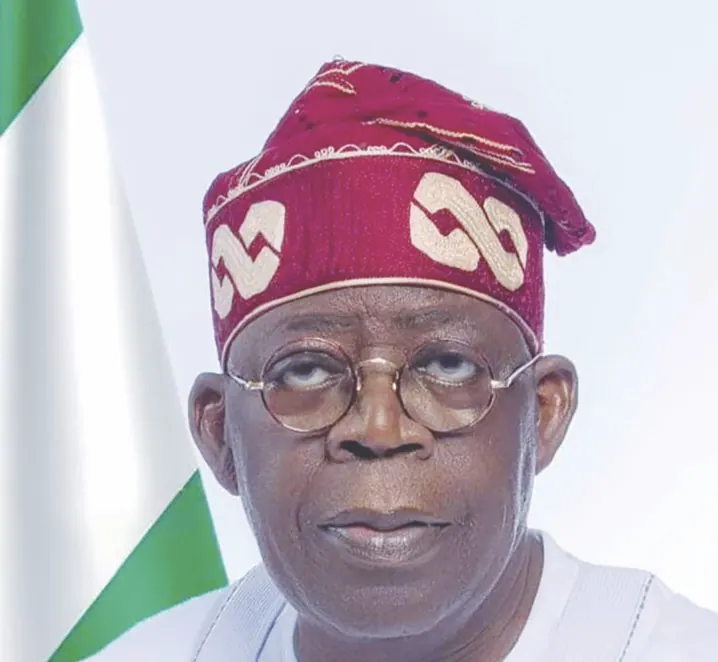
President Bola Ahmed Tinubu's administration has taken a significant step towards establishing state police in Nigeria, a move that has been considered impossible to achieve due to entrenched interests. This development has drawn parallels with former President Goodluck Jonathan's failed attempts to implement reforms during his tenure. Jonathan had attempted to remove the petroleum subsidy but was intimidated by misguided civil society activists. Tinubu's courage in removing the petroleum subsidy and pushing for state police has raised hopes that he may succeed where Jonathan failed.
Jonathan's 2014 National Conference had proposed significant reforms to reset Nigeria onto a path of progress, but the recommendations were not implemented due to opposition from prominent governors and members of his own party, the Peoples Democratic Party (PDP). The opposition was led by former Vice President Atiku Abubakar, Rotimi Amaechi, Rabiu Kwankwaso, and others who defected to the All Progressives Congress (APC). This opposition created serious tension for Jonathan and ultimately led to his downfall. The failed implementation of the conference recommendations has been seen as a lost opportunity for Nigeria to correct the irregularities of its forced and convoluted federation.
The current push for state police by Tinubu's administration aligns with the earlier intrigues that led to Jonathan's botched implementation of the National Conference. Both situations share common factors, including upcoming presidential elections and a crucial national fundamental shift in Nigeria's security governance. The establishment of state police is seen as a significant move that could change the dynamics of Nigeria's security architecture. Frank Tietie, a prominent analyst, has urged Tinubu to ensure the establishment of state police, citing it as a crucial step towards creating a more responsive and accountable government.
Tinubu's efforts to establish state police have been seen as a courageous move, given the entrenched interests that have opposed such reforms in the past. The move has also been viewed as a test of Tinubu's leadership and his ability to navigate the complex web of Nigerian politics. With presidential elections just months away, Tinubu's administration is under pressure to deliver on its promises, including the establishment of state police. The success of this initiative could have significant implications for Nigeria's security and governance.
The opposition to Jonathan's reforms and the current push for state police highlight the challenges of implementing significant changes in Nigeria's governance structure. The politics of domination, suspicion, and corruption have arrested Nigeria's progress and development, and any move to change the status quo is likely to face resistance. Tinubu's administration will need to navigate these challenges to succeed in establishing state police and implementing other reforms.
The establishment of state police could have significant implications for Nigeria's security architecture and its governance structure. It could also provide a model for other countries in the region to follow. However, the success of this initiative will depend on Tinubu's ability to build a consensus and navigate the complex web of Nigerian politics. The outcome will be closely watched by Nigerians and international observers alike.
As Tinubu's administration pushes forward with its plans to establish state police, it will be crucial to ensure that the process is transparent and inclusive. The involvement of various stakeholders, including civil society organizations and community leaders, will be essential in ensuring that the new security architecture is responsive to the needs of Nigerians. The courage and leadership displayed by Tinubu in pushing for this reform will be critical in determining its success.
Key points
- President Tinubu's push for state police is seen as a courageous move that could change the dynamics of Nigeria's security architecture.
- The establishment of state police could have significant implications for Nigeria's governance structure and its security.
- Tinubu's administration will need to navigate the complex web of Nigerian politics to succeed in establishing state police and implementing other reforms.