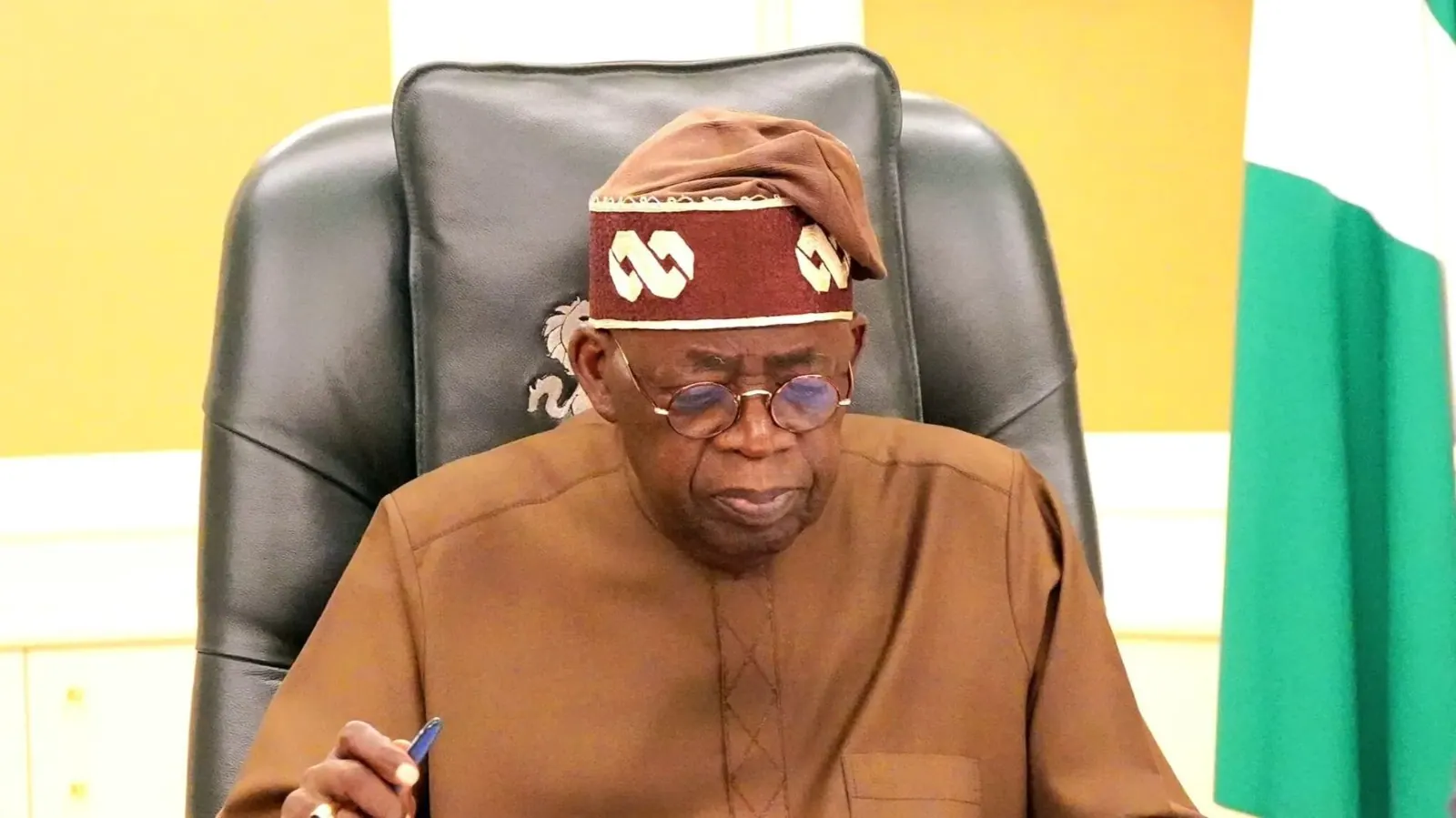
President Bola Tinubu's nearly month-long absence from Nigeria has sparked concerns and controversy, with many questioning his priorities and leadership. During his time away, several critical issues arose, including tragedies in Niger, Rivers, and Ondo states, which collectively claimed over 100 lives. The President's decision to skip the 81st United Nations General Assembly (UNGA) despite earlier assurances has also drawn criticism.
The President's absence has reignited debates about the need for a constitutional transfer of power to his Vice, Kashim Shettima, when the President is away for an extended period. The Constitution of the Federal Republic stipulates that if the President will be away for more than three weeks, power should be transferred to the Vice President. Critics argue that Tinubu's prolonged stay in France, ostensibly for a working vacation, has created a leadership vacuum.
The All Progressives Congress (APC), the President's party, is grappling with internal conflicts, particularly between FCT Minister Nyesom Wike and some governors. Wike has been vocal about his role in Tinubu's 2023 presidential victory, claiming that his G5 group helped sabotage the Peoples Democratic Party (PDP). However, this narrative has been disputed, with many attributing Peter Obi's success to his campaign messaging and a general desire for change.
Wike's recent statements have sparked outrage, with some party loyalists and governors calling for his resignation or apology. The FCT Minister has refused to back down, instead doubling down on his claims and providing background on his actions. His comments have raised concerns about the party's internal dynamics and potential implications for the 2027 elections.
The President's decision to skip UNGA has also drawn comparisons with other African leaders, such as President William Ruto of Kenya and John Dramani Mahama of Ghana, who have demonstrated a strong commitment to global engagements. Critics argue that Nigeria, as a key player in African and global affairs, cannot afford to take a back seat.
The government's handling of the President's absence has been criticized for a lack of transparency and accountability. Spokespersons have been accused of attempting to downplay the significance of UNGA and dismissing legitimate questions from citizens. Many Nigerians are demanding clarity on the President's working vacation and his reasons for missing UNGA.
As the President returns to Nigeria, he faces a daunting task in addressing the various challenges and controversies that have arisen during his absence. With the 2027 elections approaching, the APC must resolve its internal conflicts and present a united front. Ultimately, the President must choose between one-man rule and the democratic principles he claims to have fought for.
Key points
- President Tinubu's absence has sparked concerns about leadership and accountability.
- The President's decision to skip UNGA has drawn criticism and comparisons with other African leaders.
- Internal conflicts within the APC, particularly between Wike and some governors, have raised concerns about the party's dynamics and implications for the 2027 elections.