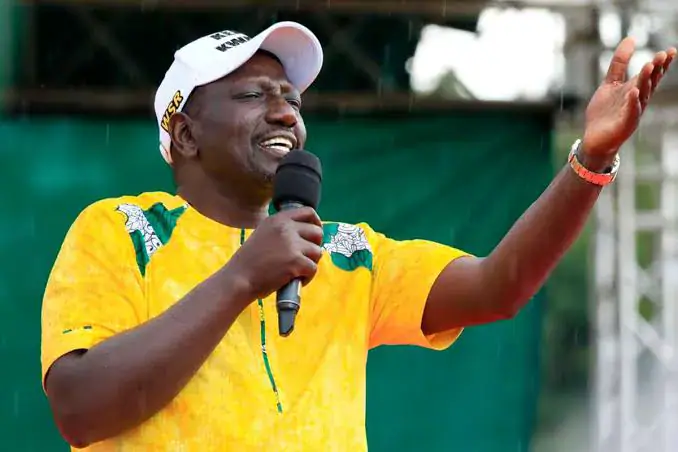
On November 4, 2026, President William Ruto of Kenya announced plans to manufacture leather shoes locally for all 14 million school-going children across the country. The initiative aims to revive Kenya's leather industry by leveraging guaranteed domestic demand. Speaking at the Innovation Summit in Nairobi, President Ruto directed local footwear manufacturers to prepare for the massive order, framing it as a driver for youth employment and economic growth.
To support the directive, the government is decentralizing leather production, rather than concentrating operations exclusively in Nairobi. A key component of this strategy is the Ksh 5.8 billion Kenya Leather Industrial Park in Kenani, Machakos County, which was unveiled in September 2026 by Deputy President Kithure Kindiki. The industrial park features modern tanning, processing, and manufacturing infrastructure.
The government plans to establish satellite ecosystems across counties to ensure regional participation in the supply chain. This approach builds on a similar policy implemented in June 2026, when President Ruto issued a strict ban on foreign military and police boots. By October 2026, all security agency footwear was sourced entirely from domestic producers, demonstrating the potential for local industries to meet national demand.
Despite owning Africa's third-largest livestock population and ranking 11th globally with approximately 80 million animals, Kenya has historically underutilized its leather potential. According to data from the World Bank and the Kenya Leather Development Council, Kenya ranks 87th globally in leather apparel exports, earning just Ksh 68 million ($527,000). The country also ranks 101st in imports, spending Ksh 285 million ($2.2 million) on foreign leather products.
President Ruto believes that channeling the local demand of 14 million students directly to domestic tanneries and shoe factories will reverse these trade imbalances and capitalize on Kenya's vast raw material reserves. By doing so, the government aims to boost the local leather industry, create jobs, and stimulate economic growth.
The initiative is expected to have a positive impact on Kenya's economy and youth employment. With the local leather industry set to receive a significant boost, manufacturers are likely to increase production, creating new job opportunities for young people. Additionally, the government's decentralization strategy will ensure that the benefits of the initiative are felt across different regions of the country.
As the government works to implement the directive, it is likely to face challenges, including ensuring that local manufacturers can meet the demand for 14 million pairs of shoes. However, with the right support and investment, the initiative has the potential to transform Kenya's leather industry and make a positive impact on the lives of millions of school-going children.
Key points
- President Ruto aims to manufacture leather shoes for 14 million school-going children in Kenya.
- The government is decentralizing leather production to ensure regional participation in the supply chain.
- The initiative aims to boost Kenya's leather industry, create jobs, and stimulate economic growth.