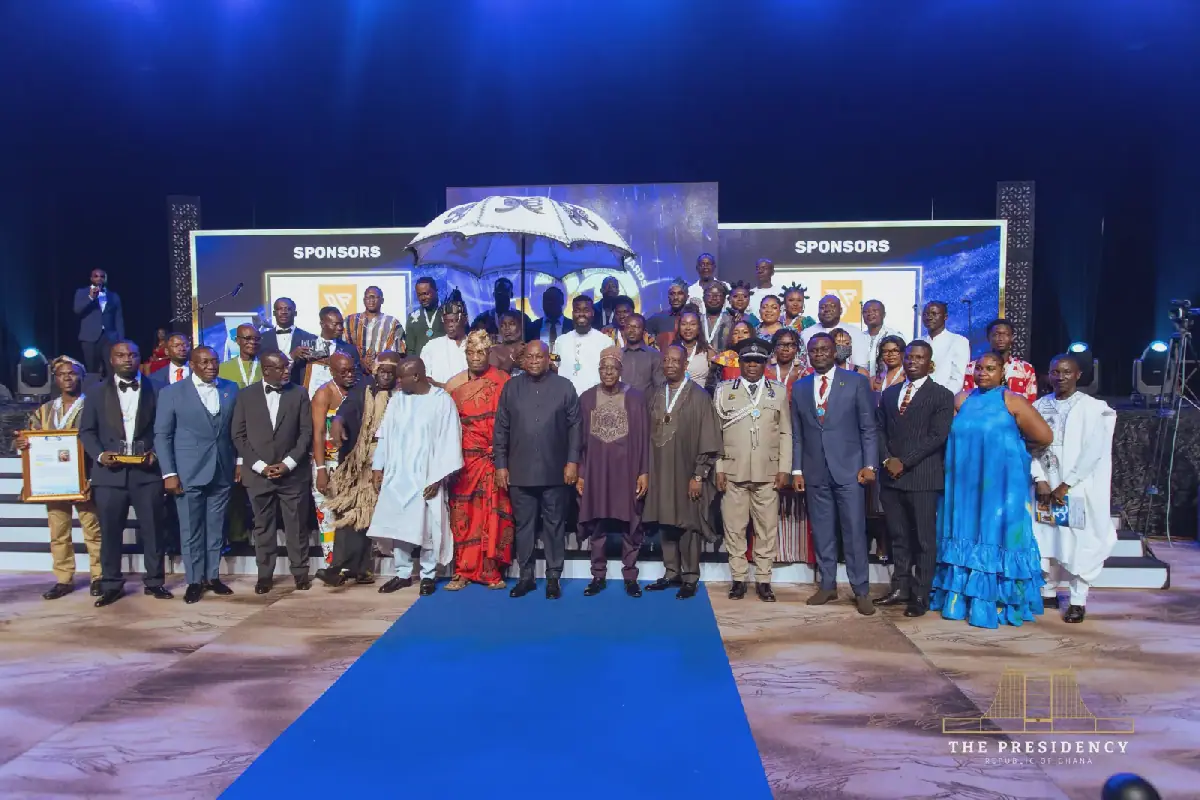
President John Dramani Mahama of Ghana has initiated a national conversation on establishing clear boundaries between freedom of expression, hate speech, and outright insults. He made this call at the 30th Ghana Journalists Association (GJA) Media Awards, emphasizing the need for a balanced approach that protects free expression while addressing harmful content threatening public peace and social cohesion.
The President noted that digital platforms have expanded opportunities for citizens to participate in national discussions and expose community problems. However, these platforms have also facilitated the rapid spread of false information, threats, and inflammatory content. President Mahama warned that manipulated videos and recordings can create false impressions about events and individuals.
To address these challenges, President Mahama commissioned the Media Foundation for West Africa (MFWA) and the GJA to undertake consultations and submit recommendations on responding to emerging challenges in the new media environment. He stressed that any measures introduced must not undermine legitimate criticism or independent journalism, ensuring Ghanaians remain free to challenge leaders, expose wrongdoing, and express strong opinions.
President Mahama emphasized that responses to credible threats or incitement to violence must be lawful, proportionate, and subject to due process. The fight against misinformation must protect democratic freedoms while preventing the misuse of digital platforms to threaten others or incite violence.
The President's remarks were part of his address at the 30th GJA Media Awards, held under the theme "Celebrating Excellence, Advancing Media Freedom and Combating Hate Speech in the Digital Age." This theme underscores the importance of balancing media freedom with the need to combat hate speech.
President Mahama's call for a national consensus reflects the complexities of regulating digital content while protecting fundamental freedoms. His approach aims to foster a collaborative environment where stakeholders can discuss and agree on the boundaries between free speech, hate speech, and insults.
The national conversation on free speech, hate speech, and insults is crucial for Ghana's democratic development. By engaging stakeholders and exploring best practices, Ghana can develop effective strategies to address harmful content while safeguarding citizens' rights to express themselves freely.
Key points
- President Mahama emphasizes the need for a balance between public order and free expression.
- The President commissions MFWA and GJA to provide recommendations on addressing emerging challenges in the new media environment.
- Any measures introduced to address misinformation must not undermine legitimate criticism or independent journalism.