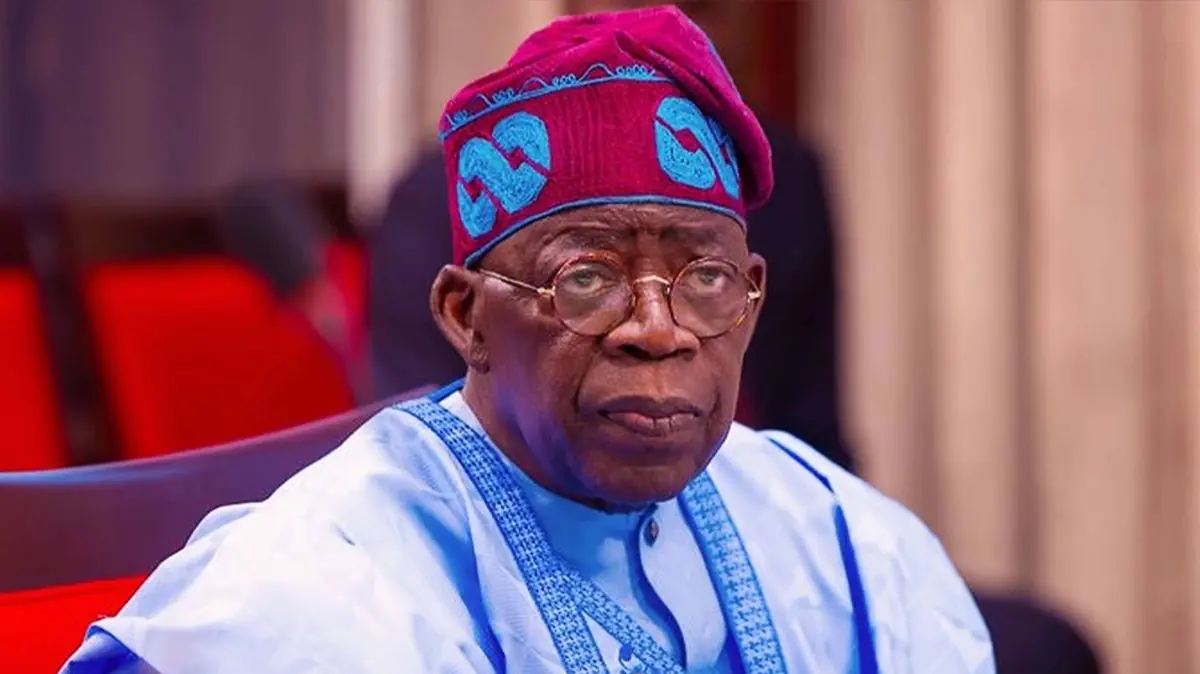
On October 1, 2026, President Bola Tinubu delivered a speech to the nation, marking Nigeria's 66th Independence Day. He reflected on the country's journey since gaining independence, acknowledging the challenges faced, including war, military rule, economic crises, insecurity, and political upheaval. Despite these difficulties, Tinubu emphasized the resilience of the Nigerian people and their determination to build a better future.
Tinubu noted that the country's founding fathers did not struggle solely for independence, but for the freedom to shape their own destiny and build a nation that provides opportunity, dignity, and a better life for its people. He acknowledged that, for too long, the promise of Nigeria was undermined by choices that postponed difficult decisions, allowing deep economic distortions to grow. By 2023, poverty was rising, and hope was nearly gone.
The President explained that his administration chose to address the country's economic issues head-on, implementing reforms that were difficult and had real side effects. However, he emphasized that these reforms did not create the weaknesses in the economy, but rather confronted them. Tinubu highlighted the progress made, including a 4% economic growth, reduced oil theft, lower inflation, and increased foreign reserves.
Tinubu also pointed out that the country's foreign exchange market has stabilized, and non-oil exports reached a record high of over $6 billion in 2025. He attributed this success to the efforts of real Nigerian businesses and noted that international observers, journalists, NGOs, and multilateral institutions have concluded that the reforms have strengthened Nigeria's economic stability and resilience.
The President emphasized that the emergency treatment phase is over, and the foundation has been repaired. He stated that the central economic task now is to achieve shared and widespread prosperity. Tinubu envisioned a Nigeria where farmers can cultivate their land safely, factories have reliable power, businesses can obtain credit, and young people can find productive work.
Tinubu's address was also marked by his signing of the amended Appropriation Bill 2025, extending its implementation to December. This move aims to ensure the continued execution of the country's budget and development plans. The President's speech was seen as a message of hope and optimism for the future of Nigeria.
As Nigeria celebrates its 66th Independence Day, President Tinubu's address served as a reminder of the country's progress and its potential for growth and prosperity. The President's commitment to continuing on the path of reform and development has been welcomed by many Nigerians, who are eager to see the country realize its full potential.
Key points
- President Tinubu rules out the return of fuel subsidies, citing the need to continue with economic reforms.
- Nigeria's economy has grown by over 4% this year, with both oil and non-oil sectors contributing to the growth.
- The country's non-oil exports reached a record high of over $6 billion in 2025, a significant milestone in Nigeria's economic development.