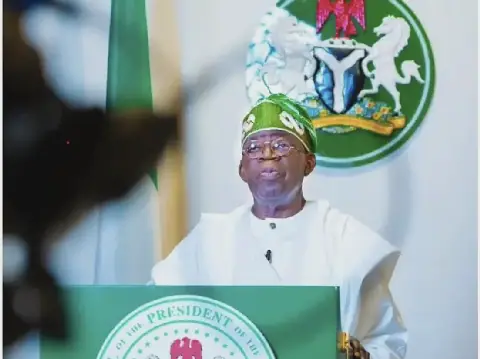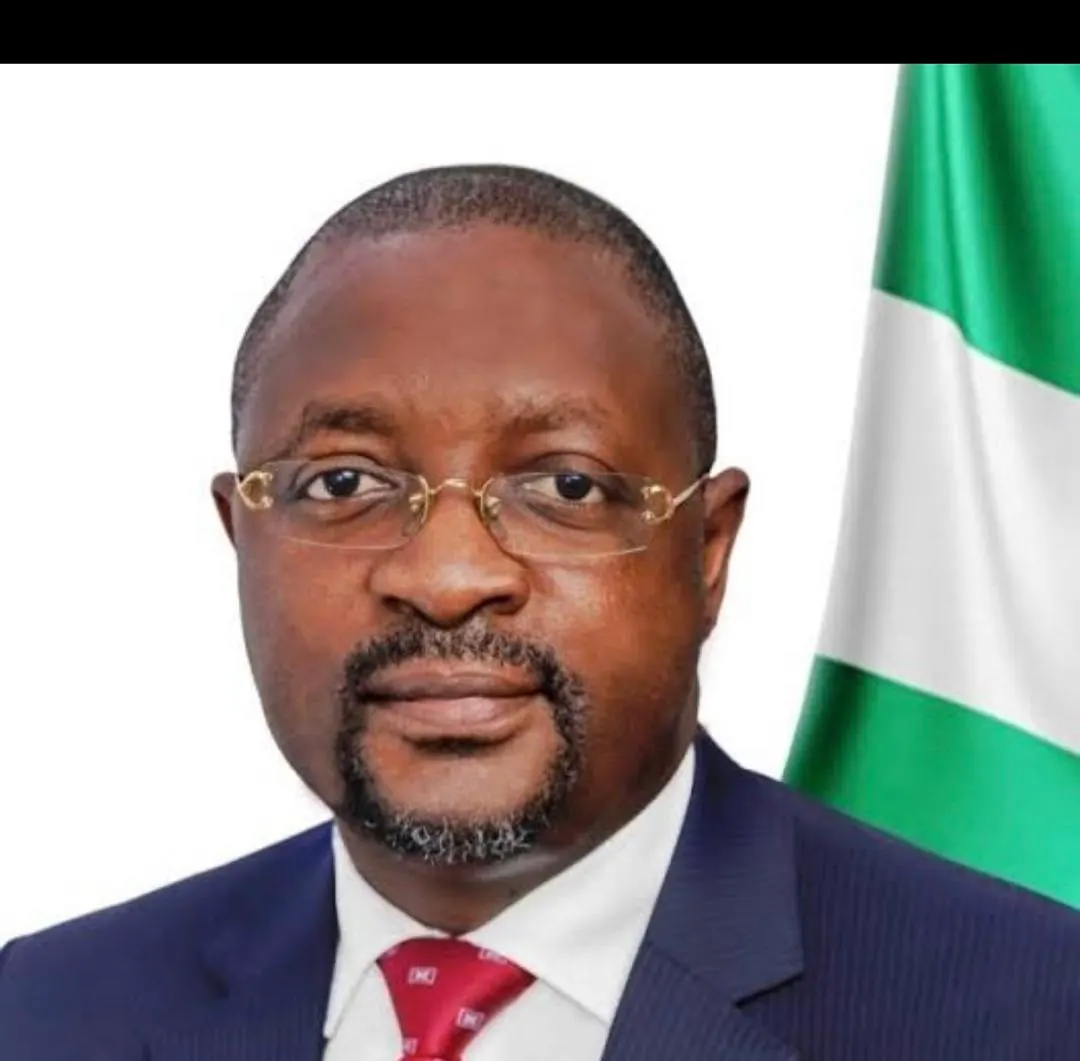
The Presidency of Nigeria has responded to a report by The Economist, which suggested that President Bola Ahmed Tinubu faces widespread public dissatisfaction ahead of the 2027 general election. Special Adviser to the President on Media and Public Communications, Dr. Sunday Dare, described The Economist's portrayal of Nigeria as distorted and disconnected from the country's economic realities. In a response titled, "Beyond the Economist Condescension: Nigeria's Re-engineering Under Tinubu Is Unstoppable," Dare argued that the publication's assessment failed to account for the economic and structural challenges inherited by the Tinubu administration.
According to Dare, the Tinubu administration did not inherit a stable and efficiently functioning economic system. He cited the former fuel subsidy regime, distortions in the foreign exchange market, and a high debt-service burden as major challenges facing the country. Addressing these longstanding structural weaknesses would inevitably come with transitional difficulties, but the government chose to confront problems that had accumulated over several years. Dare maintained that "structural cancers" could not be removed overnight without imposing some degree of short-term pressure on citizens and businesses.
The Presidency highlighted several key policies, including the removal of petrol subsidy, which President Tinubu announced in May 2023. Dare argued that ending the subsidy regime freed public resources that could be redirected towards infrastructure and other areas of national development. He also pointed to the reform of the foreign exchange market, saying the administration had moved to address distortions and opportunities for arbitrage associated with the previous system. These reforms, Dare said, should not be assessed solely from the immediate hardship experienced by citizens but also against the broader objective of correcting structural weaknesses within the economy.
The Presidency also highlighted interventions in education and social welfare as evidence that the administration's policies were not limited to macroeconomic reforms. Dare cited the Nigerian Education Loan Fund (NELFUND), which provides financial support to students in tertiary institutions, arguing that the scheme had helped many young Nigerians pursue higher education without facing the immediate burden of tuition costs. He also referenced the increase in the national minimum wage, the deployment of Compressed Natural Gas buses, and agricultural interventions, including fertilizer distribution, agricultural loans, and support for mechanized farming.
Dare further argued that the impact of the administration's policies should be evaluated against the conditions that existed before the reforms began. He maintained that the government's approach was focused on addressing longstanding structural problems rather than postponing difficult decisions for future administrations. The presidential aide said the administration's reform agenda was gradually reshaping the country's fiscal and economic landscape, despite the challenges that have accompanied its implementation.
On the political dimension of The Economist's assessment, Dare rejected the suggestion that Nigerians broadly reject President Tinubu. He argued that the experiences of citizens benefiting from government programs presented a more complicated picture than the narrative of widespread hostility suggested. According to him, students benefiting from NELFUND, workers affected by wage reforms, and farmers receiving government support represent parts of the population whose experiences should also be considered when assessing the administration.
The Presidency insists that the reforms remain on course, with Dare acknowledging that Nigeria continues to face significant challenges, particularly in the areas of security and economic pressure. However, he maintained that the country's circumstances could not be reduced to a single narrative of failure. The Tinubu administration remained committed to its reform agenda and would continue pursuing policies aimed at strengthening the economy, improving fiscal sustainability, and creating conditions for long-term growth.
Key points
- The Presidency rejects The Economist's assessment of widespread public dissatisfaction with President Tinubu's administration.
- The administration highlights its economic reforms, including the removal of petrol subsidy and foreign exchange market reform.
- The Presidency emphasizes the need to evaluate the impact of its policies within the context of the challenges inherited by the administration.