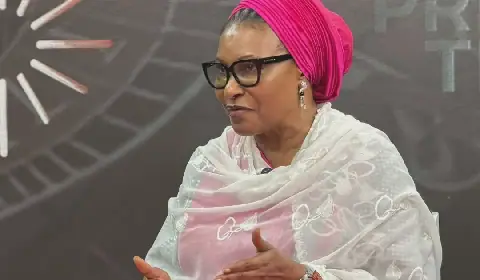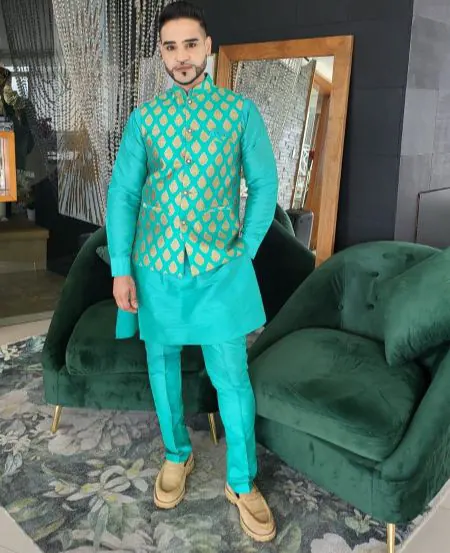
For Theshen Naicker, memories of her grandparents' home are etched in her mind. Waking up to the fragrance of incense, the gentle ringing of a prayer bell, and the sound of prayers being recited in Tamil were part of her childhood. These rituals, she realised later, were threads connecting her to generations before her. Her grandfather's simple explanation of why he prayed in Tamil - "because I feel it is the most loving way to communicate with my Lord" - has stayed with her.
Naicker's experience is a reflection of the rich cultural heritage of Indian South Africans. Their ancestors arrived in South Africa under vastly different circumstances, many as indentured labourers, yet they brought with them their traditions, languages, faith, music, food, customs, and family values. These cultural practices have been passed down through generations, shaping the identity of Indian South Africans. For Naicker, attending Sunday service with her grandparents was not only about connecting with God but also about honouring those who came before them.
Heritage Month, celebrated in South Africa, is an opportunity to reflect on the sacrifices and values of those who came before us. Naicker believes that it should be about more than just dressing in traditional clothing or enjoying cultural food. It should prompt us to ask questions about our heritage and what we are doing to ensure that their story does not end with us. This is particularly important for young people, who are growing up in a rapidly changing world.
The wisdom of traditional practices, such as meditation and yoga, is increasingly recognised in modern society for its potential to support wellbeing. These practices have existed within Indian traditions for centuries, offering a sense of stillness, reflection, and connection. Naicker's personal experience as an artist and media personality has shown her the value of prayer and meditation in navigating the challenges of public life.
The character of "Aunty Sheila" represents a generation that proudly carries their culture into the future. Aunty Sheila is a proud South Indian South African who wears her sari, pottu, and nose ring with pride, symbolising the beauty of Indian heritage. She represents the responsibility we have to those who will come after us, to keep traditions alive and to pass them down to our children.
Our children should know the meaning behind the Tamil words their grandparents speak, the stories of the people who came to South Africa before them, and why certain traditions matter. They should understand that cultural symbols are pieces of a much bigger story of survival, sacrifice, resilience, and identity. As we celebrate Heritage Month, Naicker hopes that we move beyond simply celebrating what makes us different and also celebrate what our ancestors endured to give us the freedom to be who we are today.
Let us honour those who crossed oceans, endured hardship, and built a life for generations they would never meet by knowing our history, preserving our languages, and teaching our children our traditions. Ultimately, heritage is not a museum piece but a living legacy that lives in the language we speak, the prayers we say, the food we prepare, the values we teach our children, and the stories we choose to tell.
Key points
- Preserving cultural heritage is a responsibility to future generations.
- Indian South Africans reflect on the importance of preserving their cultural heritage.
- Heritage Month is an opportunity to reflect on the sacrifices and values of those who came before us.