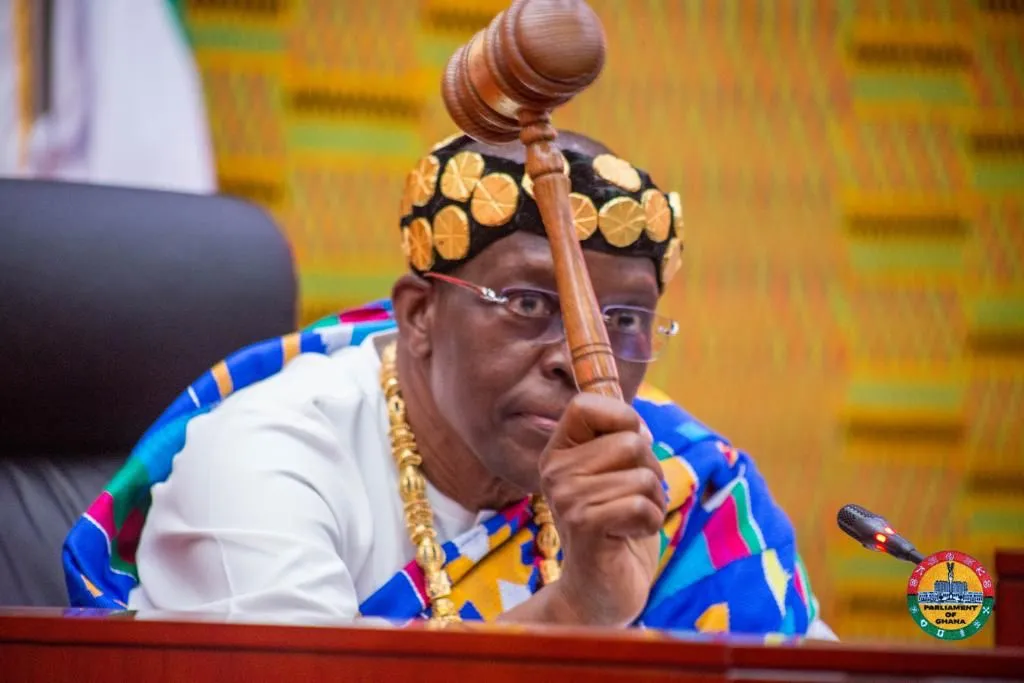
Ghana's Speaker of Parliament has come under fire for dismissing a request by the Minority for an ad hoc probe into the recent cocaine cases that have rocked the country. Deputy Minority Chief Whip Iddrisu Habib's request was rejected, sparking concerns about the Speaker's impartiality. Many Ghanaians had predicted the outcome, with some seeing it as an opportunity to protect the National Democratic Congress (NDC) from further scrutiny.
The Speaker's decision has been criticized for prioritizing the interests of the NDC over those of the country. Previous precedents have shown that the Speaker tends to favor the NDC, sparking questions about his integrity. The Speaker's actions have been seen as inconsistent, particularly in cases where issues are simultaneously before the judiciary and the legislature. This has led to accusations of double standards and a lack of finesse in his decision-making.
The Speaker's handling of the LGBTQI+ issue has also been cited as an example of his inconsistent decision-making. When the issue was taken to court by Richard Sky and others, the Speaker insisted that the President sign the bill, despite the former President's position that he could not do so while the matter was before the court. This has raised moral questions about the Speaker's decision-making and his commitment to upholding the law.
Another example of the Speaker's questionable decision-making is the Kpandai Constituency controversy. In that case, the Speaker ignored the standards and ordered the Electoral Commission to declare the seat vacant, despite the MP, Matthew Nyindam, being in court. It took a superior ruling to quash the Speaker's decision. These actions have contributed to concerns about the Speaker's impartiality and his ability to make decisions that are in the best interests of the country.
The dismissal of the Minority's request has been seen as a predictable boost to the cocaine saga, which has already sent shockwaves through the country. The Speaker's decision has been criticized for failing to address the concerns of Ghanaians, who are eager for answers about the cocaine cases. The public conversation on the issue is ongoing, with many calling for greater transparency and accountability from the government.
The Speaker's actions have also raised concerns about the impact on Ghana's international reputation. The country has been seen as a fertile ground for the advancement of illicit activities, and the Speaker's decision has done little to alleviate these concerns. The government has faced criticism for its handling of the issue, with many calling for greater action to be taken to address the problem.
The cocaine saga has highlighted the need for greater transparency and accountability in Ghana's government. The Speaker's decision has been seen as a missed opportunity to address the concerns of Ghanaians and to demonstrate a commitment to upholding the law. The issue is likely to continue to be a topic of public debate, with many calling for greater action to be taken to address the problem.
Key points
- The Speaker's decision has been criticized for prioritizing the interests of the NDC over those of the country.
- The Speaker's actions have raised concerns about his impartiality and integrity.
- The dismissal of the Minority's request has been seen as a predictable boost to the cocaine saga.