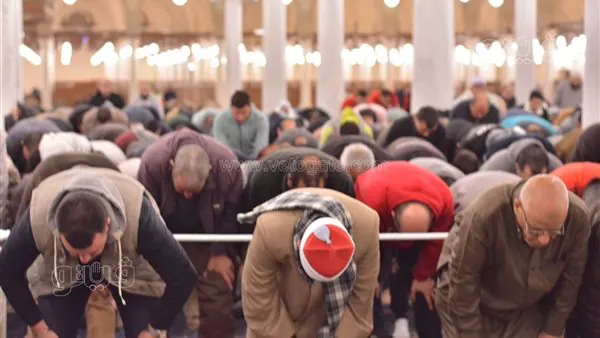
Prayer is a fundamental aspect of Islam, considered the backbone of the faith, and is a direct link between the servant and God. It is the first thing that a person will be held accountable for on the Day of Judgment, and if it is done correctly, the rest of their deeds will be accepted. Prayer is not just a series of physical movements but a profound act of worship that combines the humility of the heart, the presence of the mind, and the purity of the body.
The importance of prayer lies in its role in organizing the life of a Muslim and instilling good values and morals. It prohibits indecency and evil, and it habituates a person to discipline and commitment to schedules. Prayer renews faith in the heart five times a day, strengthening the connection with God and helping Muslims face life's challenges with steadfastness and patience. Through prayer, a servant feels close to their Lord, increasing their conviction and satisfaction with God's decree.
The benefits of prayer are immense, including forgiveness of sins, elevation of status, and attainment of God's pleasure. It is a source of light for the believer in this life and the next, expanding their chest and soothing their soul. Prayer has been promised by God to bring great rewards and immense blessings to those who maintain it. It is a key to all good and a means to achieve success in both this life and the hereafter.
On Wednesday, September 23, 2026, the prayer times in Cairo are as follows: Fajr (dawn) at 5:17 AM, Dhuhr (noon) at 12:47 PM, Asr (afternoon) at 4:14 PM, Maghrib (sunset) at 6:51 PM, and Isha (night) at 8:08 PM. These times are based on the local time in Cairo and are provided by the Egyptian General Authority for Survey.
In Alexandria, the prayer times are slightly different: Fajr at 5:21 AM, Dhuhr at 12:53 PM, Asr at 4:19 PM, Maghrib at 6:56 PM, and Isha at 8:14 PM. In Aswan, the times are: Fajr at 5:15 AM, Dhuhr at 12:41 PM, Asr at 4:06 PM, Maghrib at 6:44 PM, and Isha at 7:57 PM. These variations are due to the geographical differences between the cities.
Prayer serves as a refuge for Muslims in times of hardship and prosperity, providing comfort to the heart and tranquility to the soul. It is a source of inner strength that helps individuals continue despite the challenges they face. Through prayer, a person feels a sense of peace that cannot be found elsewhere, as if the burdens on their heart are being lifted.
The effects of prayer on a person's daily life are profound, granting them order and arrangement, and enabling them to manage their time effectively and balance their religious and worldly affairs. Prayer instills hope and optimism, fostering patience and contentment, allowing Muslims to live with a tranquil heart and strong faith, ready to face life's challenges with confidence and steadfastness.
Key points
- Prayer times vary slightly across different cities in Egypt due to geographical differences.
- Maintaining prayer is crucial for Muslims, as it is a source of inner strength and a means to achieve success in both this life and the hereafter.
- Prayer plays a significant role in organizing a Muslim's life, instilling good values, and renewing faith.