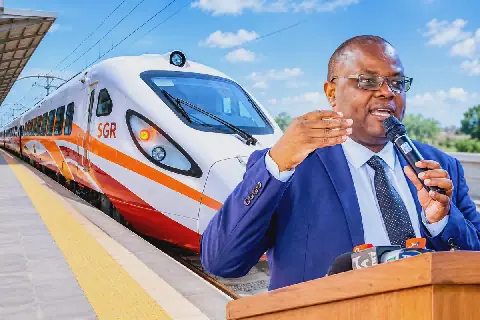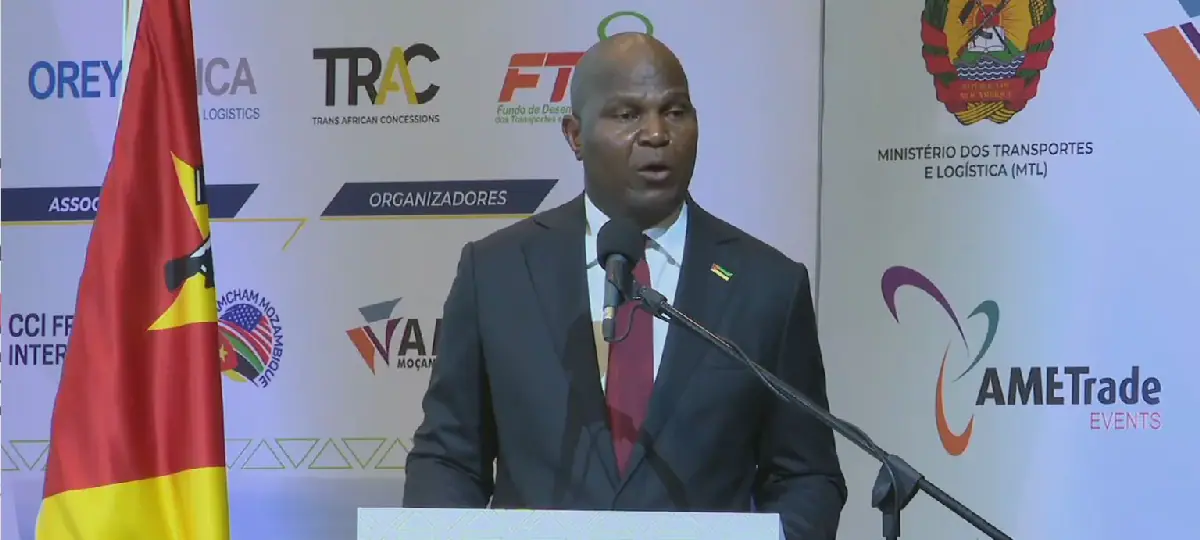
Mozambique's President Daniel Chapo has emphasized the need for the country's transportation corridors to transform into platforms for economic development, job creation, and wealth generation. Speaking at the opening of the first Transport and Logistics Investment Forum and Exhibition (TRANS-LOG MOZ 2026) in Maputo, Chapo stated that the corridors should be more than just routes for the circulation of goods. He envisioned them as spaces for production, industrialization, and employment opportunities for Mozambicans and the Southern African region.
According to Chapo, modernizing transportation infrastructure is crucial, but it must be accompanied by the establishment of economic activities along the corridors. This would enable the corridors to play a more comprehensive role in the country's and region's development. To achieve this, Chapo highlighted the need to attract industries, logistics centers, agro-industrial areas, agricultural processing units, service companies, and industrial parks. This would help harness the economic opportunities associated with the main transportation axes.
The President stressed that the performance of the corridors should not be evaluated solely based on the volume of goods handled at ports or the length of constructed roads and railways. Instead, their success should be measured by the wealth, employment, and opportunities they generate for local communities along their routes. Chapo emphasized that the corridors' impact would be gauged by their ability to create wealth, jobs, and opportunities for local populations.
Chapo identified the need to ensure that farmers can market their produce, national and regional industries can export competitively, and small and medium-sized enterprises can find new growth opportunities. He cited ongoing investment projects, including over $2 billion in the Maputo corridor, over $1 billion in the Beira corridor, and approximately $4.5 billion in railway and port investments in the Nacala corridor.
To increase the competitiveness of regional products in international markets, Chapo advocated for reducing production, industrialization, and transportation costs. He emphasized that producing, industrializing, and transporting goods in the region must be more affordable to remain competitive globally. Chapo also stressed the importance of efficient institutions, streamlined procedures, and digitalized services to prevent bureaucracy and corruption from undermining the benefits of modernized infrastructure.
The transformation of corridors into economic platforms requires a concerted effort from various stakeholders. Chapo's vision for Mozambique's transportation corridors aligns with the country's goal of becoming a regional trade and transit hub. The President's advocacy for a more integrated approach to economic development is expected to shape the country's transportation and logistics sector in the coming years.
The first TRANS-LOG MOZ 2026 forum and exhibition took place on November 4-5 at the Joaquim Chissano Conference Center in Maputo, under the theme "From Coast to Corridors: Investing in Mozambique as a Regional Trade Gateway and Transit Hub." The event was organized by the Ministry of Transport and Logistics, aiming to promote investment opportunities in Mozambique's transportation and logistics sector.
Key points
- President Daniel Chapo calls for Mozambique's transportation corridors to transform into platforms for economic development, job creation, and wealth generation.
- The President emphasizes the need to reduce production, industrialization, and transportation costs to increase the competitiveness of regional products in international markets.
- The transformation of corridors into economic platforms requires efficient institutions, streamlined procedures, and digitalized services to prevent bureaucracy and corruption.