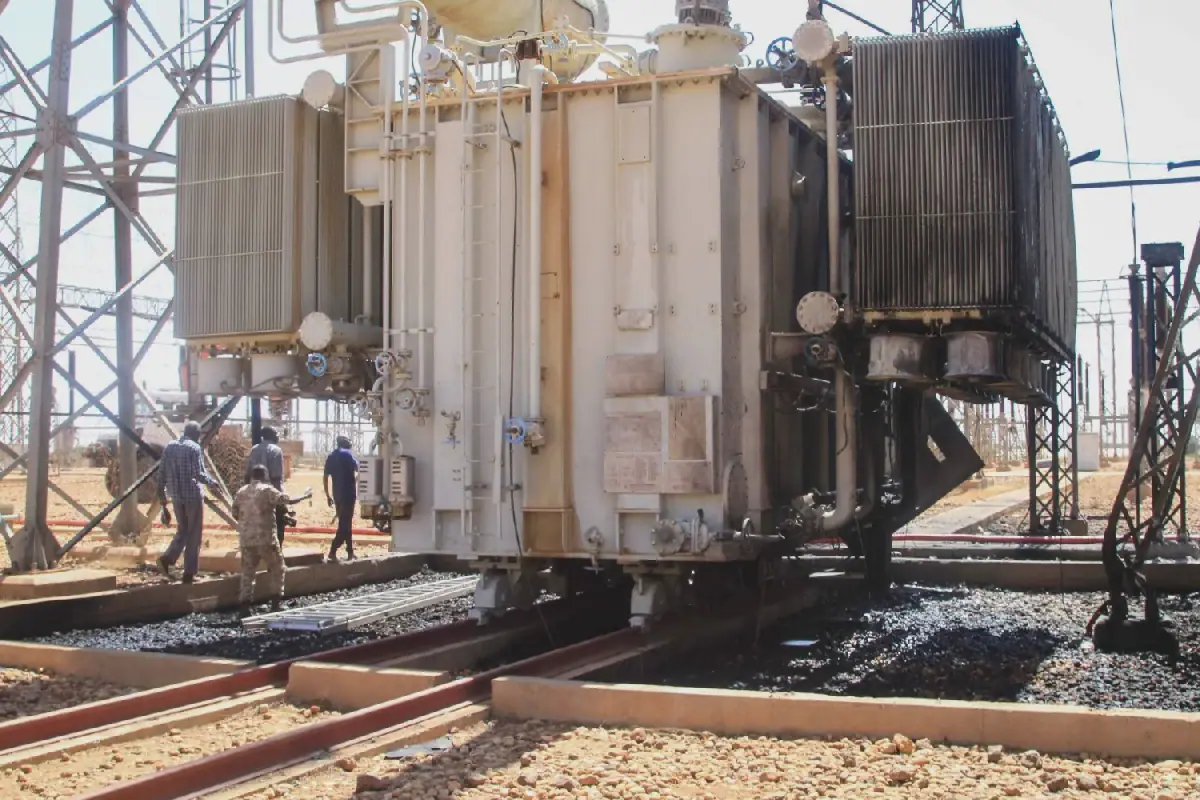
A drone attack on the Um Dabakir thermal power station on October 29, 2026, has triggered a power outage, severely disrupting drinking water supplies and healthcare services in Kosti City, Sudan. The attack has forced the authorities to operate the New Kosti water station on fuel according to a restricted schedule. This move aims to mitigate the impact of the power outage on water supplies. Residents are facing significant challenges in accessing essential services.
The Kosti Water Administration has announced a restricted schedule for the New Kosti water station, which will run on fuel from 2 p.m. to 10 p.m. on Thursdays. On other days, operations will be limited to 6 a.m. to 11 a.m. and 6 p.m. to 11 p.m. This schedule is expected to ease the water shortage, but residents are still facing hardships. The administration is working to ensure a steady water supply, but the situation remains critical.
The healthcare sector is also feeling the effects of the power outage, with the Kosti center for hemodialysis facing fuel and water shortages. Salah-Eddin Ahmed, secretary-general of the Friends of Kidney Patients Association, warned that the center requires one and a half barrels of fuel daily to operate its generators, at a daily cost of three million Sudanese pounds. The center also needs water to carry out dialysis sessions, with an associated cost of one million pounds.
Ahmed suggested that solar power could serve as an alternative to electricity and called on the state governor and relevant authorities to provide solar panels, as had been done at other centers. This move could help alleviate the center's reliance on fuel and ensure continuity of life-saving services. Residents and healthcare providers are urging the authorities to take urgent action to address the crisis.
Residents of Kosti City, particularly in neighborhoods such as Al-Tarafiya, Al-Shabbak, and Abu Sharif, are facing significant challenges due to the lack of water distribution networks. Al-Jaili Al-Tayyib, a resident of Kosti, said fuel shortages and rising prices have further compounded residents' hardship. The situation is dire, with residents struggling to access basic necessities.
The effects of the drone attack have raised fears that the disruption of essential services in the city could worsen. The reliance of water stations and healthcare facilities on electricity and fuel has exacerbated the crisis. Residents are calling for urgent intervention to secure water and fuel supplies and ensure the continuity of life-saving services.
The authorities are working to address the crisis, but the situation remains critical. The disruption of essential services has significant implications for the well-being of residents in Kosti City. Efforts are underway to restore power and water supplies, but the impact of the drone attack is likely to be felt for some time.
Key points
- - Drone attack on Um Dabakir thermal power station causes power outage and water disruptions in Kosti City. - Healthcare services, including hemodialysis, are severely impacted due to fuel and water shortages. - Residents and authorities call for urgent intervention to secure water and fuel supplies.