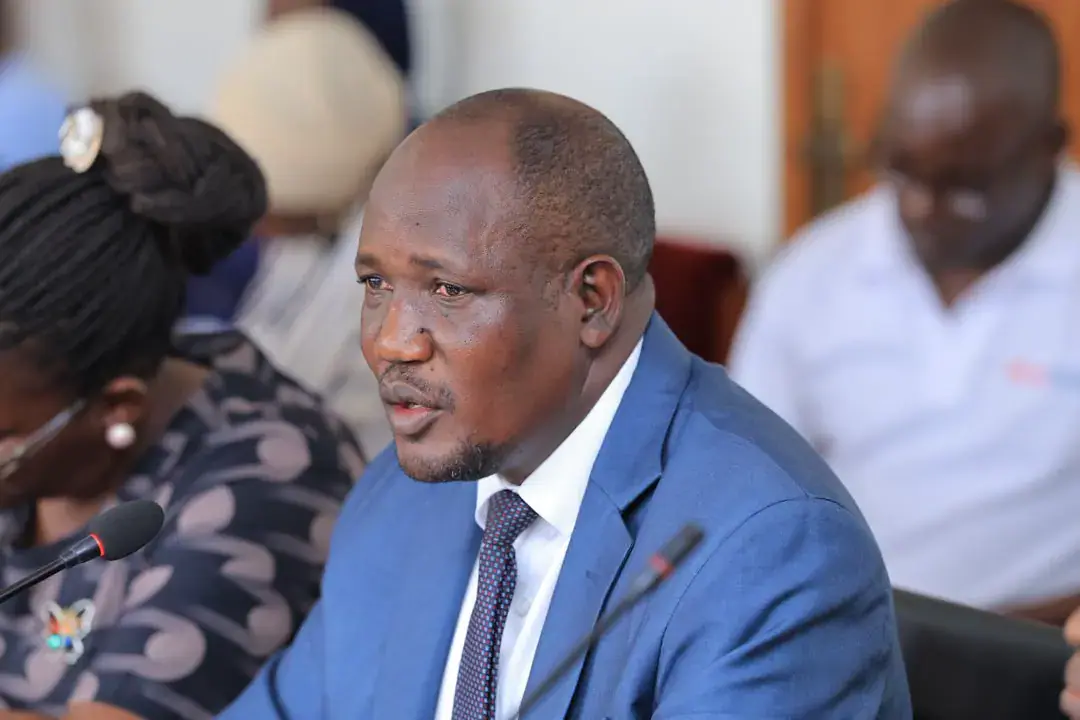
Uganda's fight against HIV/AIDS faces significant challenges, particularly among young people aged 15 to 24 years. Despite progress in reducing new infections, poverty, multiple sexual partnerships, gender inequality, and sexual violence continue to expose many young people to HIV infection. According to Stephen Kisa, Chairperson of Parliament's Committee on HIV/AIDS, these factors threaten progress towards ending the epidemic. Uganda has made considerable progress, with new infections declining by 65 percent from 96,000 in 2010 to 34,000. However, HIV prevalence remains a concern, especially among young people.
The country's HIV prevalence has reduced from 7.3 percent to approximately 5.5 percent. Despite this progress, Kisa expressed concern over continued HIV infections among young people, particularly students in schools and institutions of higher learning. This trend requires renewed attention and targeted interventions to prevent further infections. As Uganda prepares to commemorate World AIDS Day on December 1, 2026, under the theme "Ending AIDS Starts with Access," Kisa emphasized the need for improved access to HIV prevention, testing, and treatment services.
To contribute to the national response, Parliament will hold an HIV Awareness Week from November 30 to December 2, 2026, under the theme "Let's Stop the Epidemic." The week-long activities will include HIV awareness campaigns, fitness sessions, health screenings, and community engagements aimed at encouraging positive behavioral change, combating stigma, and improving access to HIV prevention, testing, and treatment services. This initiative is part of Parliament's effort to support the national response to HIV/AIDS.
Kisa has called on Members of Parliament to take an active role as ambassadors in the fight against HIV/AIDS by intensifying community sensitization in their respective constituencies. He urged legislators to use their leadership positions to promote responsible behavior, support HIV prevention initiatives, and encourage communities to access available health services. This call to action aims to strengthen efforts to end the HIV/AIDS epidemic by 2030.
Uganda has made significant progress in reducing new HIV infections, but challenges persist, particularly among young people. The country's efforts to combat HIV/AIDS require a multi-faceted approach that addresses the root causes of the epidemic, including poverty, multiple sexual partnerships, and gender-based violence. By addressing these factors, Uganda can accelerate progress towards ending the HIV/AIDS epidemic.
The HIV Awareness Week is part of a broader effort to raise awareness about HIV/AIDS and promote access to prevention, testing, and treatment services. By engaging communities and promoting positive behavioral change, Uganda can reduce the stigma associated with HIV/AIDS and encourage more people to access health services. This initiative is critical in the fight against HIV/AIDS, particularly among vulnerable populations such as adolescent girls and young women.
As Uganda continues to strengthen its response to HIV/AIDS, the role of leaders and communities will be crucial in ending the epidemic. By working together, Uganda can accelerate progress towards a future where HIV/AIDS is no longer a public health threat. The country's progress in reducing new infections and improving access to health services is a testament to the effectiveness of its response efforts.
Key points
- Poverty, multiple sexual partnerships, and gender-based violence are major factors undermining Uganda's efforts to combat HIV/AIDS.
- Uganda has made significant progress in reducing new HIV infections, with a 65 percent decline from 2010 to 2026.
- Parliament will hold an HIV Awareness Week from November 30 to December 2, 2026, to promote access to HIV prevention, testing, and treatment services.
Reporting sources
- Poverty, Multiple Sexual Partnerships and Gender-Based Violence Fuel HIV Infections in Uganda, MPs Warn · Radio Sapientia 94.4 FM