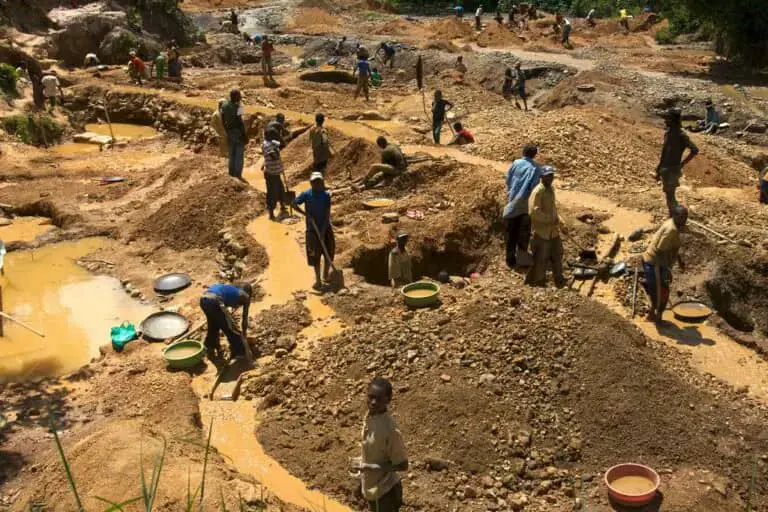
In the hills of New Rayfield, Jos, young men and teenagers are descending into narrow pits, digging through layers of soil in search of tin. Among them are Abdullahi Garba, 16, and his brother Sule Garba, 14, who are working to pay for their school fees. Their story highlights the disturbing trend of children and young people entering hazardous mining due to poverty. The brothers' situation is a stark contrast to what is expected of them at their age, as they should be in school.
The issue of hazardous mining in Nigeria has gained attention recently due to a tragic incident in Niger State. On September 17, 37 people, mostly between 14 and 18 years old, died in the custody of the Nigeria Security and Civil Defence Corps. The suspects were arrested during enforcement operations against illegal mining. The federal government has since ordered an investigation, and several officials have been suspended. This incident has raised concerns about the conditions and circumstances surrounding artisanal mining in the country.
Another tragic incident occurred in Taraba State, where a mining pit collapsed at Mayo Kam community, trapping miners underground. Five bodies have been recovered, and rescue operations are ongoing. The state government has banned illegal mining activities and is pushing for more responsible mining practices. These incidents have brought attention to the dangers of artisanal mining and the need to address the underlying issues driving young people into the sector.
In Plateau State, artisanal mining is a significant source of livelihood for people with limited alternatives. Young people who previously depended on casual labor, petty trading, and other poorly paid work are now entering the sector. While the exact number of young people involved is difficult to establish, the risks are increasingly difficult to ignore. Miners like Tizhe Danminchika, who operates under a locally registered mining company's license, are making a profit but also exposing themselves and others to risks.
The mining business has provided opportunities for thousands of young people across the state to fend for themselves and support their families. Hajara Davou, who owns a mining mill, said that her business began with picking washed mineral deposits and selling them. She now engages young artisanal miners and buys products from them, deducting the money she has spent. The growing demand for processed products has led her to venture into mineral processing.
For some young people, mining offers a chance to earn a decent income. Joseph Samuel, a 22-year-old mining mill operator, receives ₦5,000 daily as a feeding allowance and earns between ₦50,000 and ₦150,000 weekly. He believes that no government job would offer him that kind of pay. However, this financial stability comes at a cost, as many young people are sacrificing their education and exposing themselves to hazardous working conditions.
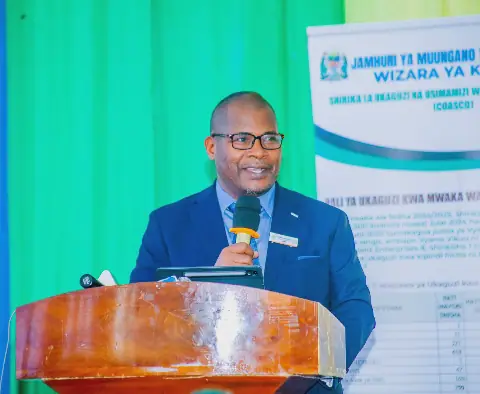
Education officials are concerned about the growing attraction of mining and its impact on class attendance. The Executive Chairman of the Plateau State Universal Basic Education Board, Sunday Amuna, said that communities must take responsibility for keeping children in school. Mining is one of the activities drawing school-age children away from education, and addressing this issue will require a concerted effort from governments, communities, and stakeholders.
Key points
- Many young people in Plateau State are turning to hazardous mining due to poverty and limited alternatives.
- Recent incidents in Niger and Taraba states have highlighted the dangers of artisanal mining and the need for more responsible practices.
- Education officials are concerned about the impact of mining on class attendance and the need for communities to take responsibility for keeping children in school.