A recent report by the University of Cape Town's Children's Institute reveals that progress in improving the lives of South Africa's children has stalled. The report, titled the 2026 Child Gauge, notes that fiscal austerity, red tape, and rising food prices have eroded many of the hard-won gains made over the past 30 years. The proportion of children living below the food poverty line had decreased from 53% to 33% between 2003 and 2013 but rose back to 37% by 2024.
The report highlights the impact of persistent poverty on South African children. The rate of childhood stunting has remained high at 29%. According to report co-editor Paula Proudlock, stunting is "like a canary in the coalmine" as it reflects poor nutrition in pregnancy and early infancy. Stunting affects a child's growth and brain development and cannot be reversed by eating better food later in life. By the time stunted children are old enough to benefit from school feeding schemes, the damage has already been done.
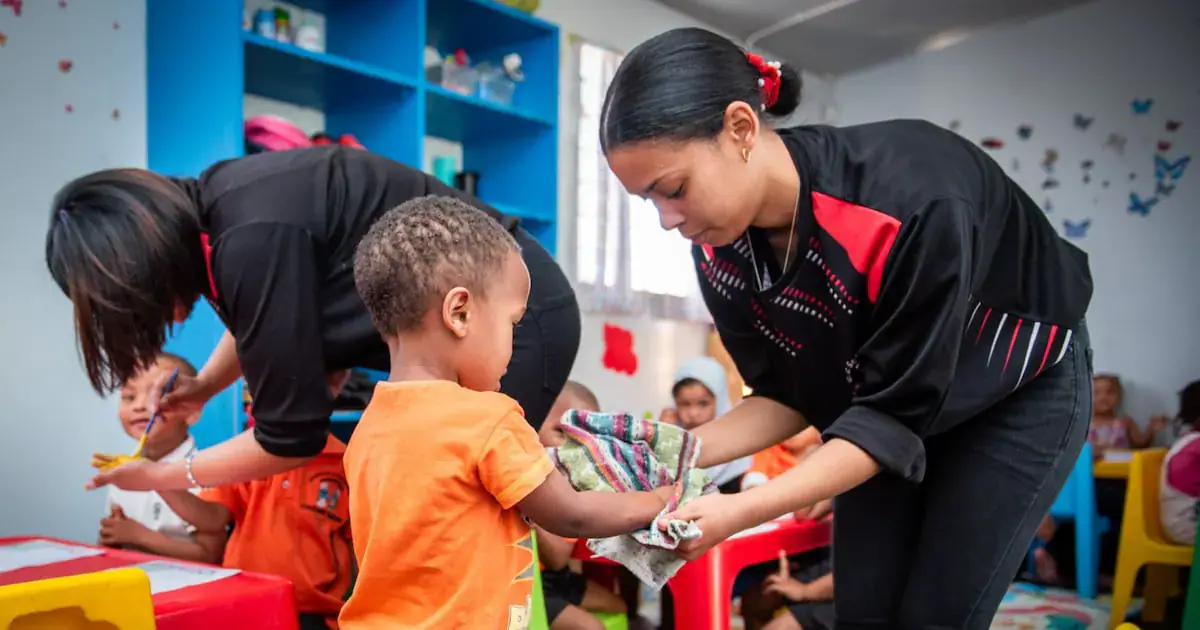
Despite progress in increasing access to early learning, more than half of the children aged 3-5 are not developmentally on track. By 2025, access to early learning had widened to reach 70% of children in this age group. However, 55% of these children were not developmentally on track. The report also notes a growing gap between the value of the Child Support Grant and the food poverty line, which has been compounded by recent increases in food prices.
The number of infants accessing the Child Support Grant has decreased significantly over the past six years. Between March 2020 and March 2026, the number of infants accessing the grant fell from 650,000 to 366,000. This decline may be partly attributed to a drop in registered births, but many potential beneficiaries have also been excluded by the South African Social Security Agency's increasingly stringent requirements.
The report criticizes the recent regression in the provision of government services, including immunization and welfare grants. According to Proudlock, this regression has been fueled by a managerial culture of "compliance and control" that prioritizes regulatory requirements over the needs of mothers and children. For example, registering a new birth in a hospital requires a photocopy of the mother's identity document, which can be a barrier for some mothers.
The Child Gauge also reports that many children are not receiving essential services, including birth registration and vaccinations. About 160,000 babies are not registered before their first birthday, and roughly 200,000 infants have not received any of the vaccinations recommended by the health department. Proudlock emphasizes the importance of investing in children's early years to help them reach their potential and become productive citizens.
The report's findings have significant implications for South Africa's economic future. According to Proudlock, investing in children's early years is essential for growing children who can reach their potential, finish tertiary education, and become tax-paying citizens. The report's authors argue that policymakers must prioritize the needs of mothers and children and address the systemic barriers that prevent them from accessing essential services.
Key points
- The proportion of children living below the food poverty line rose from 33% in 2013 to 37% in 2024.
- The rate of childhood stunting remains high at 29%.
- The number of infants accessing the Child Support Grant decreased by 44% between 2020 and 2026.
Reporting sources
- # 1 Poverty and red tape reverse gains in SA children’s lives · The Rand Daily Mail