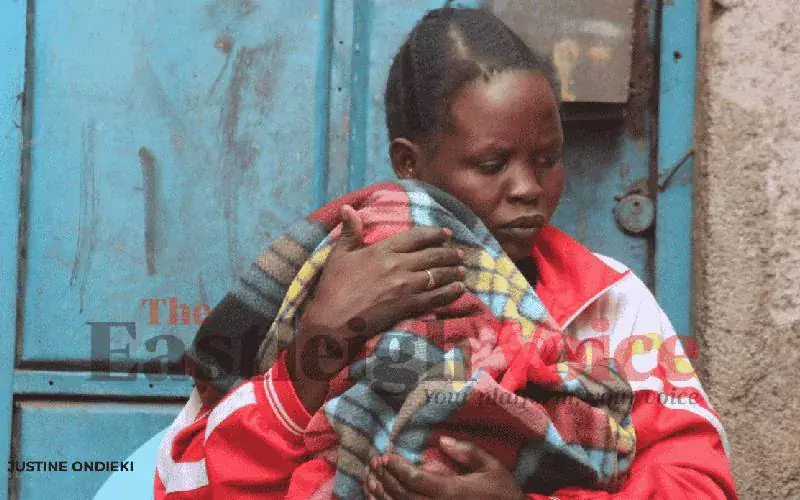
A 28-year-old mother, Jacinta Amei, in Nairobi, Kenya, recently experienced life-threatening bleeding at home, highlighting the hidden danger of secondary post-partum haemorrhage. Amei delivered premature twins by caesarean section at a Nairobi hospital and spent over a month in-patient care for pregnancy-related complications. During her recovery, she suffered heavy bleeding that quickly soaked maternity pads and cotton wool.
After being discharged, Amei returned home only to experience a resurgence of bleeding a week later, accompanied by weakness and persistent headaches. Financial constraints and previous difficulties accessing antenatal care as a foreign national heightened her fear of seeking further treatment. Her hospital bill of roughly Sh86,000 was waived, but this left her anxious about future costs.
Amei eventually contacted the community health promoter (CHP) who had assisted her during pregnancy; the CHP escorted her to a health facility where she received an injection and medication that stopped the bleeding. She later realised the episode was a case of secondary post-partum haemorrhage, a condition that can develop days to weeks after delivery and is often unrecognised by women at home.
Prof. Moses Obimbo of the University of Nairobi, project lead of the National Post-partum Haemorrhage Initiative, notes that Kenya loses an estimated 2,000-3,000 women annually to post-partum haemorrhage. He explains that secondary post-partum haemorrhage, which can appear up to six weeks after birth, is especially dangerous because women may have already left the hospital and fail to recognise abnormal bleeding.
According to Prof. Obimbo, risk factors for post-partum haemorrhage include twin pregnancies, large babies, previous caesarean sections, and bleeding disorders. Women with such factors should deliver in facilities where trained staff can monitor them closely. This can significantly reduce the risk of complications and fatalities.
The case of Jacinta Amei underscores the need for increased awareness and education on post-partum haemorrhage, particularly secondary post-partum haemorrhage. It also highlights the importance of access to healthcare services and support for new mothers, especially those with high-risk pregnancies.
The National Post-partum Haemorrhage Initiative is working to address the issue of post-partum haemorrhage in Kenya. With the right care and support, many of these deaths can be prevented, and women like Amei can receive the treatment they need to recover from this life-threatening condition.
Key points
- Prof. Moses Obimbo estimates that Kenya loses 2,000-3,000 women annually to post-partum haemorrhage.
- Secondary post-partum haemorrhage can appear up to six weeks after birth and is often unrecognised by women at home.
- Risk factors for post-partum haemorrhage include twin pregnancies, large babies, previous caesarean sections, and bleeding disorders.
Reporting sources
- Post‑partum haemorrhage threatens mother of twins weeks after discharge · kenya-today.com