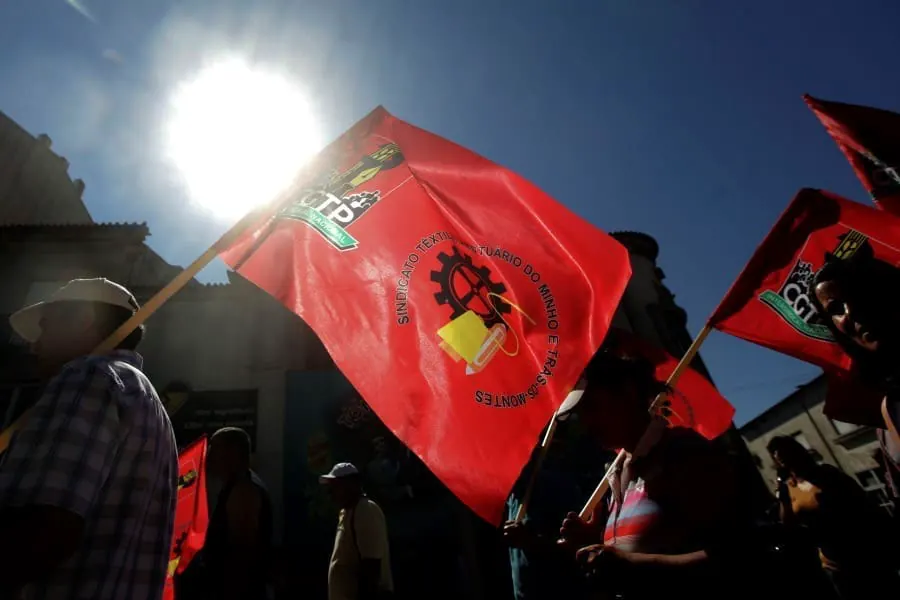
The Portuguese unions CGTP and UGT are advocating for a higher minimum wage, suggesting that an increase above €970 is both possible and imperative. In an interview with Lusa Extra, Carlos Alves, secretary executive of UGT, emphasized that there are various economic and political reasons to support this claim. He noted that the current economic context is different from when the agreement was signed, with inflation expected to be 2.5% in 2027.
According to Carlos Alves, the program electoral of the Social Democratic Party (PSD) for the 2025 legislative elections and the Prime Minister's goals include raising the minimum wage to €1,100 by 2029 and the average salary to €2,000. He stressed that to achieve these targets, a start must be made now, and increases cannot be concentrated in the final years. Filipe Marques, from the executive committee of CGTP, also supports this position, highlighting the importance of boosting internal market dynamics.
Filipe Marques argued that the current target of €970 for 2027 is "deeply insufficient" and suggested that reaching €1,100 next year is feasible. He cited a study indicating that a minimum income of €1,337 is required for a dignified life and emphasized the urgent need to address the rising cost of living, housing, and fuel prices. Marques proposed a 15% increase, guaranteeing a minimum of €150 for all workers.
The CGTP and UGT are pushing for a revision of the current agreement on wage growth and economic growth, which was signed by the government, UGT, and four business confederations. Carlos Alves stated that this agreement has fulfilled its objectives, creating a more robust labor market and driving up the average salary without harming economic growth.
However, business confederations have expressed skepticism about revising the agreement, citing unfulfilled measures. Minister of Labor, Ana Mendes Palma Ramalho, stated that the government is open to revising agreements but emphasized that a review of the minimum wage increase is not currently planned. Carlos Alves responded that he received this statement with "some astonishment," given that UGT and CGTP have already submitted a request on this matter.
The current agreement includes an annual review clause, which Carlos Alves believes should be triggered. He recalled that since 2022, real wage increases have been achieved, ranging from 1.9% to 4.1%, driven by the references established in previous agreements. The unions argue that these gains demonstrate the feasibility of further wage growth.
The debate on the minimum wage increase comes as Portugal faces rising living costs and housing prices. The unions' push for a higher minimum wage reflects their concerns about the impact of inflation on workers' purchasing power and the need for a more substantial increase to ensure a dignified life. The government's response to these demands remains to be seen.
Key points
- Portuguese unions CGTP and UGT advocate for a minimum wage increase above €970.
- The unions argue that a higher minimum wage is necessary to address the rising cost of living and ensure a dignified life.
- Business confederations have expressed skepticism about revising the current agreement on wage growth and economic growth.