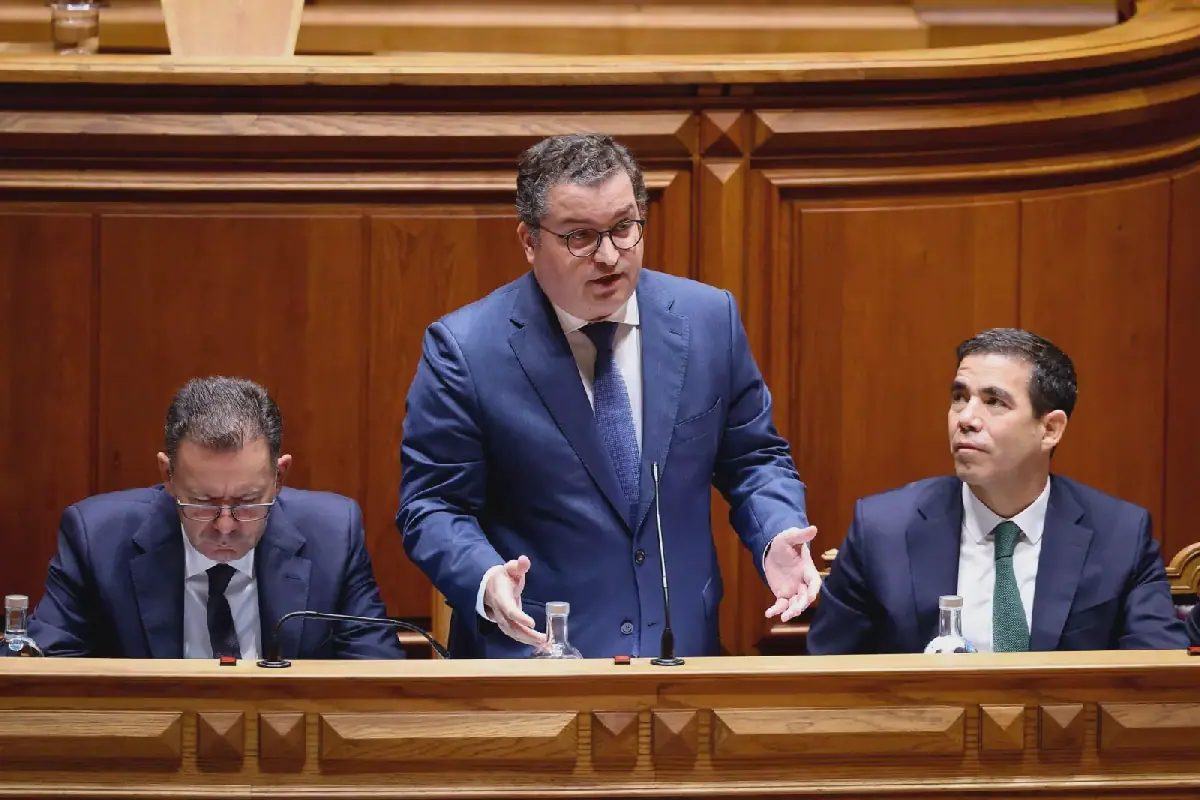
The Portuguese government opened the second day of debate on the 2027 State Budget with condolences to Spain following a high-speed train accident that resulted in numerous fatalities. The debate began with an intervention by Finance Minister Joaquim Miranda Sarmento, who expressed the government's sentiments on the tragic event. The accident occurred near the station of Urda in Toledo, Spain, with reports indicating several dozen people lost their lives.
Minister Sarmento highlighted that despite facing challenges in housing and the cost of living, the Portuguese have seen improvements in salaries, employment, and public services since 2024. He acknowledged difficulties in housing, fuel prices, and public services but emphasized that the current situation is better than in April 2024, with increased salaries, purchasing power, and employment opportunities.
In response to questions from the PS and Chega parties regarding the government's claim of not increasing taxes, Minister Sarmento clarified that updates to tax rates are not considered increases but rather adjustments according to fiscal rules. He cited the carbon tax as an example. The minister also discussed potential reductions in the Value-Added Tax (IVA) rate.
The government's budget proposal for 2027 forecasts an economic growth of 2.3% this year and 2.1% in 2027, with balanced accounts expected this year and a 0.1% surplus projected for 2027. Minister Sarmento defended the government's fiscal measures, stating that 15 tax reductions have been implemented.
Housing and Infrastructure Minister Miguel Pinto Luz addressed the issue of protests related to housing and rental costs. He emphasized that while public indignation is understandable, concrete measures are necessary to address the housing crisis. Pinto Luz called for a balanced approach to the new urban rental regime.
The budget debate continues with various parties contributing their perspectives. The voting on the budget proposal in general is scheduled for later, with the final global vote set for November 24, following the debate in specialized committees. The government aims to pass the new rental law.
The discussions reflect a complex interplay of economic management and social concerns in Portugal. The government's efforts to navigate these challenges while addressing public dissatisfaction are under scrutiny. The budget proposal's success in addressing these issues remains to be seen as the debate progresses.
Key points
- Portuguese government debates 2027 budget amidst condolences to Spain over high-speed train accident
- Government claims improvements in salaries, employment, and public services since 2024
- Budget proposal forecasts 2.3% economic growth in 2026 and 2.1% in 2027