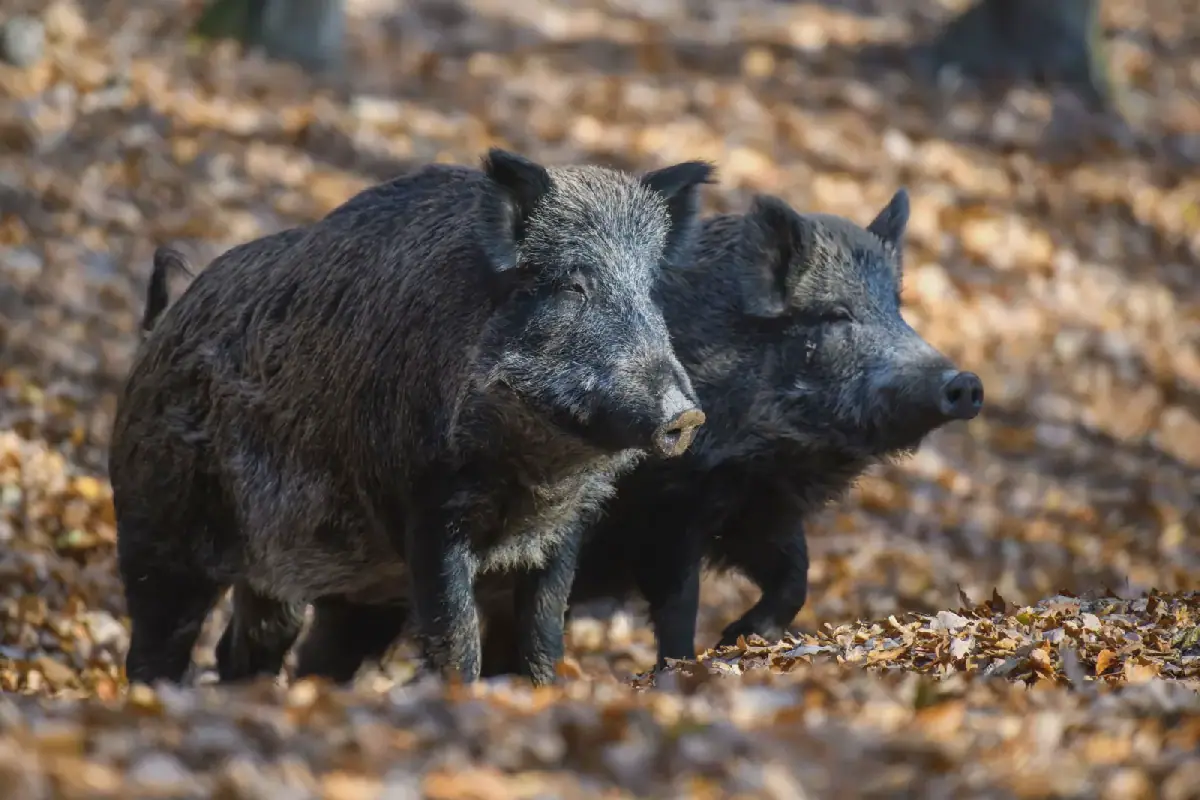
Portugal's Secretary of State for Forests, Rui Ladeira, has stated that wild boar populations in the country are in a state of "full control loss." He made these comments during a parliamentary hearing on the 2027 State Budget, where he emphasized the need for greater pressure on wild boar populations to achieve a balance. Ladeira's statements highlight the growing concern over the impact of wild boars on agriculture, road safety, and the risk of African swine fever.
The Ministry of Agriculture has announced a pilot project aimed at controlling wild boar populations in 15 districts across Portugal. The project, which has a total budget of 500,000 euros, will cover over 1,300 hunting zones in 65 municipalities. The goal is to reduce wild boar populations and mitigate the damage they cause to crops, as well as prevent road accidents and monitor the spread of African swine fever. The project will provide financial incentives to hunting zones that achieve results above their historical average.
Under the pilot project, hunters will receive financial support for each wild boar they cull. The payment will be 50 euros for each male and 70 euros for each female wild boar killed above the zone's historical average. Additionally, hunters will receive an extra 10 euros for each animal they send to a game handling establishment for processing. The maximum payment per hunting zone is capped at 2,000 euros. This measure aims to encourage hunters to participate in the control of wild boar populations.
According to Rui Ladeira, the project aligns with the government's objectives of reducing the economic losses suffered by farmers, preventing road accidents, and monitoring the spread of African swine fever. The initiative also seeks to promote sustainable hunting practices, support biodiversity, and maintain ecological balance. By engaging hunters and providing financial incentives, the government hopes to effectively manage wild boar populations and minimize their impact on the environment and the economy.
The 2027 State Budget, which includes funding for this project, is currently under debate in parliament. The budget is set to be voted on in its final form on November 24. The government's proposal to increase pressure on wild boar populations is part of a broader effort to address the issue. With over 50 deputies participating in the debate, the discussion highlights the importance of finding effective solutions to manage wild boar populations and mitigate their impact.
The issue of wild boar control has gained significant attention in recent years due to the growing populations and the resulting damage to crops and property. The government has been working to develop strategies to address the problem, including the implementation of hunting regulations and the promotion of sustainable hunting practices. By engaging with stakeholders and providing financial support, the government aims to find a balance between managing wild boar populations and promoting ecological sustainability.
The effectiveness of the pilot project and the government's proposals for managing wild boar populations remain to be seen. However, with the support of stakeholders and the implementation of targeted measures, it is hoped that the impact of wild boars on agriculture, road safety, and the environment can be minimized. The government's commitment to addressing this issue is clear, and it will be important to monitor the progress and outcomes of these initiatives in the coming months and years.
Key points
- Portugal's government has proposed a pilot project to control wild boar populations in 15 districts, with a budget of 500,000 euros.
Reporting sources
- OE2027: Governo defende “maior pressão” perante javalis em “descontrolo pleno” · RecordTV Cabo Verde