Portugal has fulfilled its commitment to release strategic oil reserves, with the process now fully completed, according to the Ministry of Environment and Energy. This move was part of an agreement made on March 11. The ministry confirmed that Portugal will not release additional strategic oil reserves beyond what was agreed upon.
The decision to release these reserves was made in response to a commitment by 12 European Union countries, including Portugal, to put approximately 42.6 million barrels of oil from their strategic reserves into the market. Almost half of this amount, 20.5 million barrels, was to be diesel. This agreement was reached during a meeting of EU energy ministers in Luxembourg.
The release of these oil reserves was a coordinated effort by countries in the G7 and the International Energy Agency (IEA) to stabilize fuel prices, which have surged since the start of the conflict in Ukraine. The IEA had urged its member countries to tap into their strategic reserves to mitigate the impact of high energy costs on households.
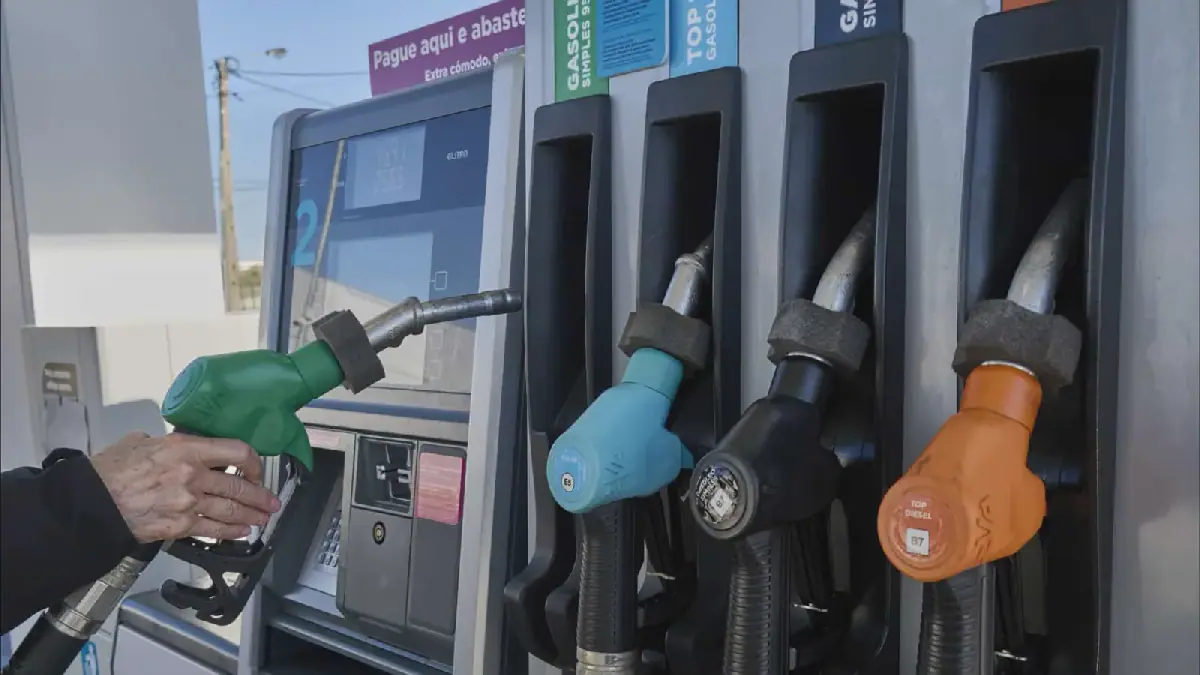
The European Union has been closely monitoring the situation, ensuring that it is prepared to address any potential impacts on household budgets. However, it has not expressed immediate concerns about the security of supply. The situation in the Strait of Hormuz has contributed to price fluctuations, with diesel prices exceeding €2.30 per liter in several EU countries.
In Portugal, the association of petroleum companies, Epcol, does not foresee any imminent risks of fuel shortages during the upcoming winter. According to Epcol's spokesperson, João Reis, the country's security of supply is bolstered by its refining capacity, logistical infrastructure, imports, and strategic reserves.
The commitment to release strategic oil reserves was initially made by the G7 countries in early October, with the aim of releasing up to 100 million barrels of crude oil and diesel over four months. Portugal, along with 11 other countries, including Germany, France, and Italy, agreed to participate in this effort.
The European Commission has expressed its support for the measure, with Commissioner for Energy Dan Jørgensen stating that the EU is doing everything possible to stabilize diesel markets as winter approaches. The situation remains uncertain, with ongoing tensions in the Middle East continuing to affect energy prices.
Key points
- Portugal has released its strategic oil reserves as per a commitment made on March 11.
- The move is part of a broader effort by 12 EU countries to release 42.6 million barrels of oil from their strategic reserves.
- The release of strategic reserves aims to stabilize fuel prices, which have surged since the start of the conflict in Ukraine.