Researchers at Yalgado Ouédraogo University Hospital in Ouagadougou, Burkina Faso, have reported four cases of porto-mesenteric venous thrombosis, a rare and severe condition affecting young patients. The study, published in Health Sciences and Diseases, aimed to describe the clinical, etiological, therapeutic, and outcome features of these patients. The cases were identified between November 2017 and December 2025. Porto-mesenteric venous thrombosis is a manifestation of venous thromboembolic disease, characterized by nonspecific abdominal pain, which can lead to diagnostic delay and potentially fatal complications.
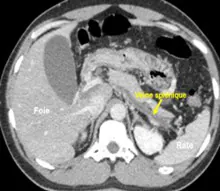
The four patients, three women and one man, had a mean age of 38.8 years, ranging from 34 to 46 years. Abdominal pain and nausea were present in all patients, while vomiting, fever, and constipation occurred in three. The diagnostic delay ranged from five days to one month. Computed tomography (CT) angiography revealed involvement of the superior mesenteric vein and portal vein in all patients, associated with mesenteric ischemia in three cases and pulmonary embolism in three cases. These findings highlight the severity of the condition and the need for prompt diagnosis.
The identified etiologies of porto-mesenteric venous thrombosis in these patients included thrombophilia, postpartum period, pregnancy, HIV-1 infection with rheumatoid arthritis, and prolonged bed rest. Three patients received vitamin K antagonists, and one received rivaroxaban. The outcome was favorable in three patients, who recovered, while one patient died suddenly at five months. These results underscore the importance of considering multiple concurrent factors in the diagnosis and management of porto-mesenteric venous thrombosis.
According to the researchers, porto-mesenteric venous thrombosis is a rare condition in sub-Saharan Africa, and data on its clinical features and outcomes are limited. The study highlights the need for early abdominal CT angiography in patients with persistent unexplained abdominal pain to prevent diagnostic delay and improve treatment outcomes. The findings also emphasize the importance of considering porto-mesenteric venous thrombosis in the differential diagnosis of young patients with abdominal pain.
The study's results are consistent with previous research on venous thrombosis, which has shown that the condition can affect young patients and has a high mortality rate if not promptly diagnosed and treated. The World Health Organization and other health organizations have emphasized the need for increased awareness and education on venous thrombosis, particularly in low- and middle-income countries where data on the condition are limited.
Porto-mesenteric venous thrombosis is a serious condition that requires prompt diagnosis and treatment to prevent complications and improve outcomes. The study's findings highlight the need for healthcare providers to be aware of the condition and its risk factors, particularly in young patients with abdominal pain. Further research is needed to determine the incidence and prevalence of porto-mesenteric venous thrombosis in sub-Saharan Africa and to develop effective strategies for prevention and management.
The researchers conclude that porto-mesenteric venous thrombosis affects young patients in Burkina Faso and that diagnostic delay remains a common challenge. They emphasize the importance of early abdominal CT angiography in patients with persistent unexplained abdominal pain and the need for consideration of multiple concurrent factors in the diagnosis and management of the condition.
Key points
- Porto-mesenteric venous thrombosis is a rare and severe condition that affects young patients in Burkina Faso.
- Diagnostic delay is a common challenge in the management of porto-mesenteric venous thrombosis.
- Early abdominal CT angiography is essential for prompt diagnosis and treatment of porto-mesenteric venous thrombosis.