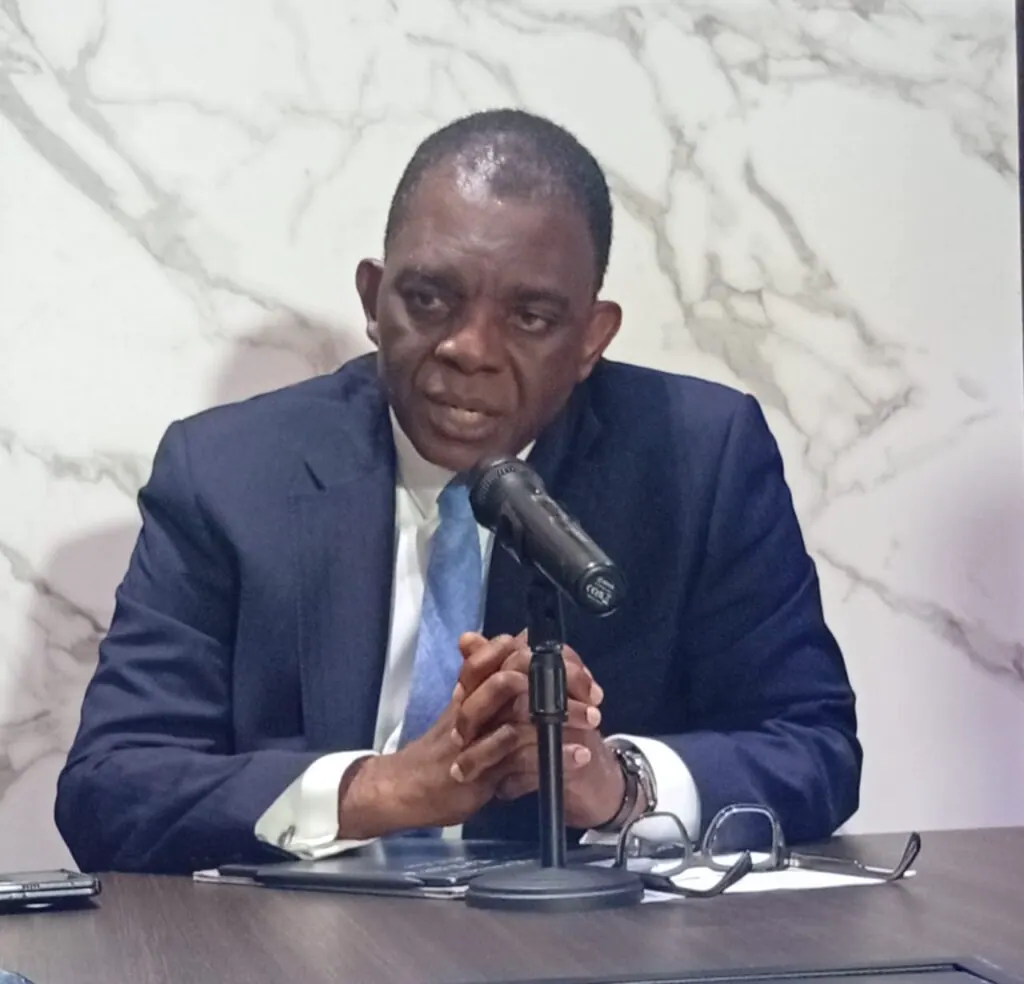
The Nigerian Ports Economic Regulatory Agency (NPERA) has announced that organisations violating port regulations could face fines of up to N20 million and prosecution. This move is part of the agency's efforts to improve compliance and efficiency across the nation's ports. NPERA's Director-General, Dr. Pius Akutah, made this disclosure in Lagos during a courtesy visit by executive members of the Shipping Correspondents Association of Nigeria (SCAN).
According to Dr. Akutah, NPERA was established to make Nigeria's ports more efficient and competitive through stronger enforcement, standard-setting, automation, and digitisation. The agency now has stronger legal provisions to sanction infractions, unlike the previous regulatory framework under the Nigerian Shippers' Council. The new law provides for a minimum penalty of N500,000 for an individual first offender and a maximum penalty of N20 million for a corporation.
Dr. Akutah stated that the objective of the agency is not to disrupt port operations but to establish a regulatory regime that encourages stakeholders to comply with prescribed standards. The goal is to create a deterrent regime through the provisions of the law, making it easier for operators to comply without lowering established standards. NPERA will focus on setting standards while promoting innovation and digitisation to make compliance easier for operators.
The NPERA boss addressed concerns about multiple regulatory agencies conducting physical checks at the ports and the possible impact on trade facilitation. He stressed that such activities must be carried out responsibly and in a manner that does not unnecessarily delay cargo clearance. Greater automation and reduced human interference in port processes will help eliminate bottlenecks, streamline operations, and lower the cost of doing business.
Dr. Akutah linked NPERA's mandate to the Federal Government's ambition of building a $1 trillion economy by 2030. He stressed that the target should not be viewed solely in terms of government revenue but also in terms of the totality of the GDP of the economy that will promote that one trillion dollars. Achieving the target will depend on business growth and broader economic activity.
Dr. Akutah dismissed concerns over possible operational conflict between NPERA and the Nigerian Ports Authority (NPA), explaining that the two agencies have distinct responsibilities. While NPA is responsible for the development of port infrastructure, NPERA is responsible for the economic regulation of the facilities. Agencies within the marine and blue economy sector are working together to support the Federal Government's economic diversification agenda and the target of building a $1 trillion economy by 2030.
The NPERA's efforts to improve compliance and efficiency across the nation's ports are ongoing. The agency will continue to enforce standards and promote innovations and digitisation in the sector. With the fear of consequences, operators will be encouraged to play by the rules naturally. The results of these efforts are expected to be seen within a limited time, contributing to the growth of the economy and business in Nigeria.
Key points
- Port offenders in Nigeria face fines of up to N20 million and prosecution for violating regulations.
- NPERA aims to make Nigeria's ports more efficient and competitive through stronger enforcement and digitisation.
- The agency's efforts support the Federal Government's ambition of building a $1 trillion economy by 2030.