Mobile connectivity in Nigeria is crucial for daily life, supporting banking, business, and communication. However, the reliability of these services is compromised by the country's persistent electricity shortages. Behind every signal lies a hidden struggle: keeping telecom towers powered in a nation where power outages are common. For millions of Nigerians, a mobile network signal is taken for granted until it disappears, often due to power failures at telecom sites.
The impact of power outages on mobile network services was evident on September 24, when 9mobile subscribers nationwide lost access to data, USSD, and other services due to power outages at the operator's sites. The Nigerian Communications Commission (NCC) classified this incident as a major outage. This was not an isolated incident, as another nationwide 9mobile outage in August was also linked to a power failure. These disruptions highlight the vulnerability of mobile connectivity to Nigeria's electricity problems.
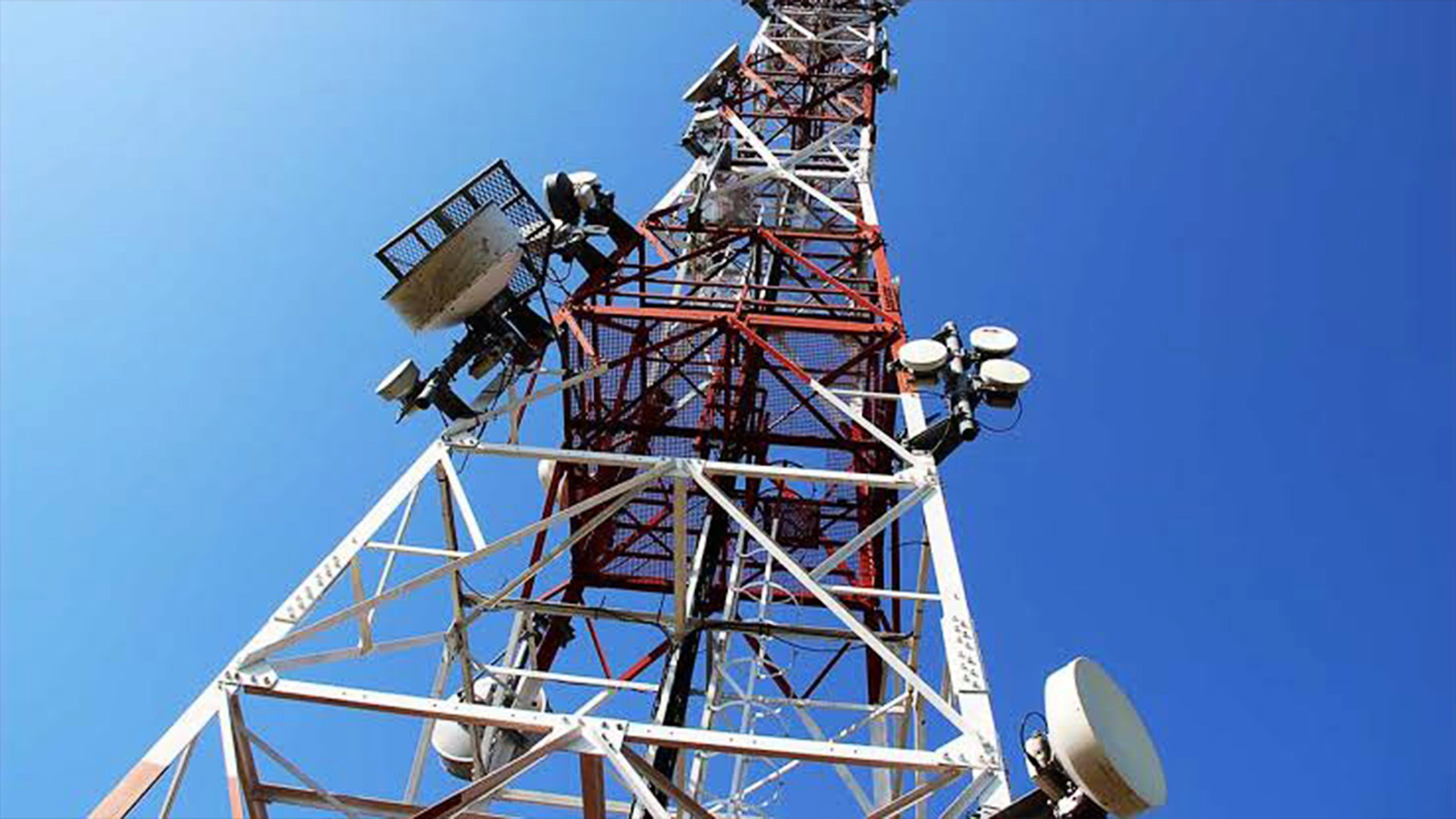
The scale of Nigeria's mobile network and its dependence on electricity is substantial. According to NCC data, active telephone subscriptions stood at about 195 million in July 2026, with a teledensity of 90%. This extensive network relies on a physical infrastructure of approximately 145,141 base transceiver stations and an estimated 39,880 physical telecommunications towers. Every site requires electricity to operate, but Nigeria's unreliable national grid has forced telecom companies and tower firms to invest in their own energy arrangements.
The cost of maintaining these energy arrangements is significant. The Africa Finance Corporation's State of Africa's Infrastructure Report 2025 estimated that Nigerian telecom operators consume over 40 million liters of diesel every month, spending more than $350 million yearly on fuel. In 2025, mobile network operators invested over N2.13 trillion in infrastructure and upgrades, while tower companies invested another N373.8 billion. Despite these investments, operators must spend heavily on electricity to keep their infrastructure running.
Nigeria's power shortfall is a major challenge. The Nigerian Electricity Regulatory Commission's August 2026 operational performance factsheet recorded an average available generation capacity of 4,758MW and an average utilized generation of 4,102MW, with an 86% load factor. With a population of about 237.5 million in 2025, the average utilized generation per person is approximately 17.3 watts. This illustrates the scale of Nigeria's electricity resources compared to its population and growing demand.
The impact of power outages extends beyond telephone services, disrupting mobile banking, point-of-sale transactions, digital payments, emergency communications, and business operations that rely on mobile data. To address this, the NCC and the Rural Electrification Agency signed a memorandum of understanding in July 2026 to deploy renewable energy solutions to telecommunications infrastructure, particularly in rural and underserved communities. This partnership aims to reduce dependence on diesel-powered base stations and improve network availability.
Renewable energy could change the economics of powering telecom sites. Solar installations require substantial upfront investment but can reduce recurring costs associated with diesel, transportation, and generator maintenance. A recent project in Oke-Oyi, Kwara State, demonstrates the potential of renewable energy installations to provide electricity at the community scale, serving as an anchor customer for a mini-grid that can supply nearby homes, businesses, schools, and health centers.
Key points
- Nigeria's unreliable electricity supply causes frequent outages in mobile network services, disrupting economic activities and daily life.
- The country's telecom industry invests heavily in energy arrangements, spending over $350 million yearly on diesel fuel.
- A partnership between the NCC and the Rural Electrification Agency aims to deploy renewable energy solutions to improve network availability in rural and underserved communities.