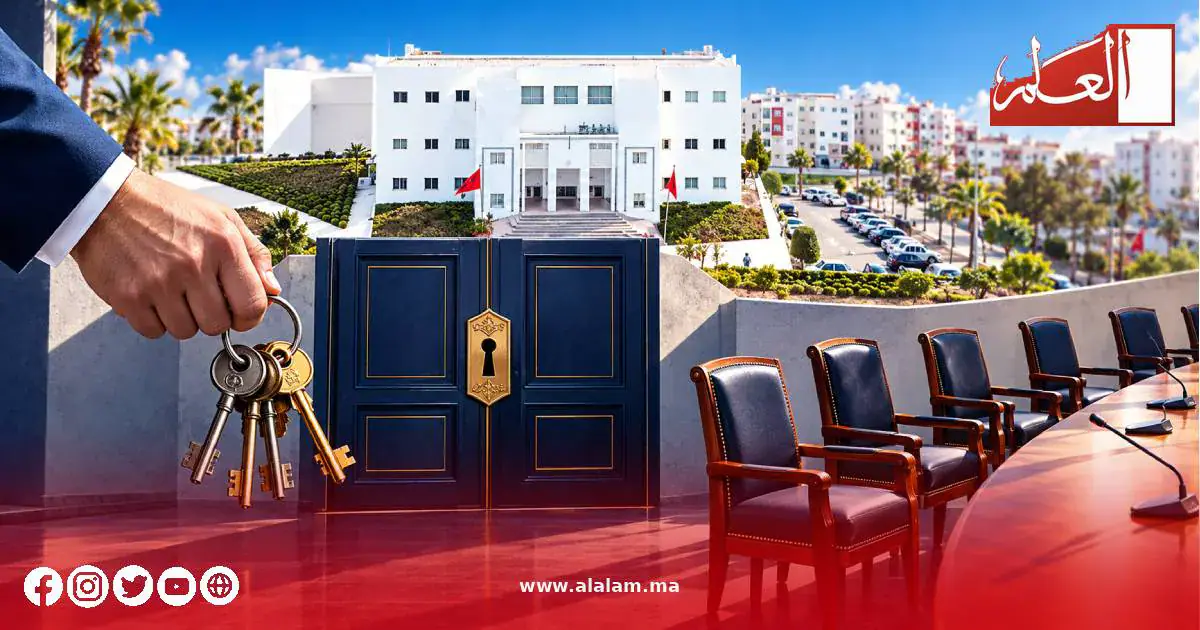
A controversy is unfolding in Morocco's Aznaqa district, where Councilor Mohamed Yatfti has accused the district's president of political bias and repression. Yatfti claims that the president is targeting independence-minded councilors, including those from the Istiqlal Party, by restricting their access to district resources and facilities. This move has sparked concerns about the erosion of democratic values and the politicization of local governance.
According to Yatfti, the district president has taken measures to limit the activities of councilors who have remained loyal to their party's principles. These measures include confiscating a vehicle allocated to a female councilor, closing her office, and restricting her access to district facilities. Yatfti argues that these actions are a form of punishment for the councilors' adherence to their party's stance, rather than a legitimate exercise of administrative authority.
The controversy has raised questions about the limits of executive power in local governance and the protection of councilors' rights. Yatfti has emphasized that the district president's actions are not only unjust but also undermine the principles of democracy and good governance. He has called for a thorough investigation into the matter and urged the authorities to take steps to prevent similar incidents in the future.
The Istiqlal Party has a long history of activism and has played a significant role in Moroccan politics. The party's commitment to democratic values and social justice has earned it a reputation as a champion of human rights and the rule of law. However, some critics have accused the party of being inconsistent in its application of these principles, particularly when it comes to internal conflicts and power struggles.
The incident has also highlighted the challenges faced by local councilors in Morocco, who often have to navigate complex webs of power and influence to effectively represent their constituents. Yatfti has stressed the importance of protecting councilors' rights and ensuring that they can carry out their duties without fear of reprisal or intimidation. He has also called for greater transparency and accountability in local governance.
The controversy has sparked a wider debate about the role of political parties in Moroccan society and the need for greater accountability in public office. Some observers have noted that the incident reflects a broader trend of politicization and polarization in Moroccan politics, which can have negative consequences for democratic governance and social stability.
In conclusion, the situation in Aznaqa district highlights the need for greater transparency, accountability, and respect for democratic values in local governance. The incident has also underscored the importance of protecting councilors' rights and ensuring that they can carry out their duties without fear of reprisal or intimidation. Ultimately, it is up to the authorities to ensure that the principles of democracy and good governance are upheld.
Key points
- The Aznaqa district controversy highlights the challenges faced by local councilors in Morocco.
- The incident has sparked concerns about the erosion of democratic values.
- The controversy has raised questions about the limits of executive power in local governance.