The phenomenon of political assassinations has become a pressing concern in various parts of the world, particularly in Latin America. As elections approach, the threat to candidates' lives has increased, with some countries experiencing a surge in violent attacks. According to British author Eric Ambler, "the important thing to know about any assassination is not who fired the bullet, but who paid for it." This quote resonates with the recent spate of assassinations, which have been linked to organized crime, corruption, and other vested interests.
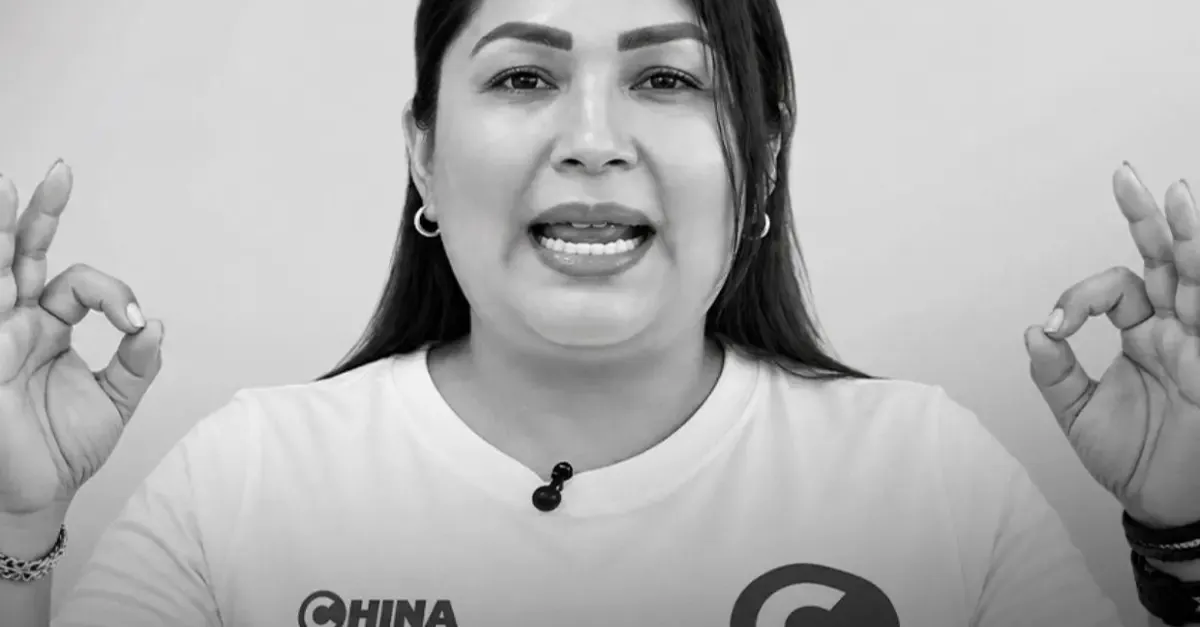
On September 20, 2026, Peruvian journalist and candidate Susi Abonte Polo, also known as "China Polo," was assassinated during an election event in the city of Caraz. The incident occurred when a gunman opened fire on her, injuring her in the head and leaving several others wounded. The authorities have arrested suspects in connection with the attack, and an investigation is underway to determine the motives behind the killing. Abonte Polo had been receiving death threats prior to her assassination, which she attributed to her investigative reporting on corruption and crime.
Peru is not the only country to have experienced such a tragedy. In Colombia, Senator and presidential candidate Miguel Uribe was attacked during an election event in Bogota on June 7, 2025. He sustained gunshot wounds to the head and died in August of the same year, at the age of 39. The authorities arrested six individuals in connection with the attack, including a 15-year-old boy who allegedly fired the shot. The investigation revealed that the teenager had been paid by a drug trafficker to carry out the attack.
The case of Fernando Villavicencio in Ecuador bears striking similarities to these incidents. A journalist and politician, Villavicencio had been receiving death threats before his assassination on August 9, 2023, during an election event in Quito. An investigation by the authorities led to the arrest of several suspects, and in July 2024, a court convicted five individuals in connection with the killing. However, questions remain about the larger network behind the assassination, and the investigation is ongoing.
Haiti, a country plagued by gang violence and political instability, has also experienced a high-profile assassination. On July 7, 2021, President Jovenel Moise was killed during a raid on his residence in Port-au-Prince. His wife, Martine Moise, was injured in the attack. In September 2026, the US authorities transferred 18 suspects in the case to Florida to face trial. The suspects, including 17 Colombians and a former Haitian justice ministry employee, are accused of involvement in the planning and financing of the assassination.
These cases highlight the growing concern about the safety of politicians and candidates during election periods. The violence has raised questions about the ability of governments to protect their citizens and ensure the integrity of democratic processes. As elections approach in various countries, the threat of violence and intimidation remains a pressing concern.
The international community has expressed concern about these developments, with some countries offering support and cooperation to affected nations. The Organization of American States and other regional bodies have condemned the violence and called for measures to ensure the safety of candidates and voters. As the global community continues to monitor these situations, it is clear that addressing the root causes of violence and intimidation will be crucial to safeguarding democratic processes.
Key points
- The recent assassinations of politicians and candidates in Latin America have raised concerns about the safety of democratic processes.
- The investigations into these cases have revealed links to organized crime, corruption, and other vested interests.
- The international community has expressed concern about these developments and is offering support and cooperation to affected nations.