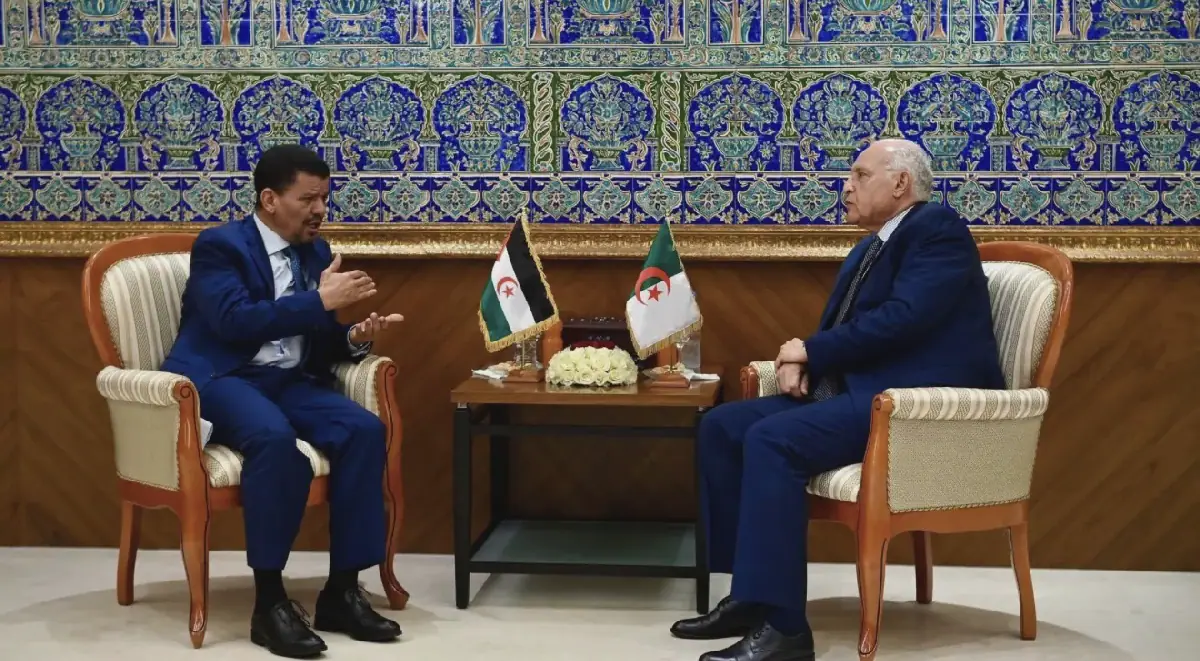
In a recent statement, Mohamed Yslm Bisht, a foreign affairs official for the Polisario Front, expressed the movement's readiness to engage in negotiations with Morocco. This development comes as the United Nations leads the political process. Bisht emphasized that the Polisario Front does not reject negotiations with Morocco and remains willing to participate in a serious political process that leads to a fair and lasting solution to the Western Sahara conflict.
The proposed negotiations aim to resolve the conflict between Morocco and the Polisario Front directly, excluding Algeria and Mauritania. A key condition set by the Polisario Front is that any solution must be based on the principle of self-determination. This stance aligns with previous attempts by the Polisario Front to assert its position, potentially overshadowing the momentum gained by Morocco's autonomy initiative, which enjoys international support.
The current diplomatic landscape has been influenced by recent developments within the United Nations Mission for the Referendum in Western Sahara (MINURSO). The situation evolved after a Russian veto on an American proposal at the UN Security Council on October 30. Bisht described Morocco's autonomy proposal as having a "colonial background," reflecting the Polisario Front's skepticism towards the initiative.
The Polisario Front's statements come amid heightened tensions and ongoing debates over the Western Sahara conflict. The movement's openness to negotiations could potentially pave the way for renewed diplomatic efforts. However, significant challenges remain, including the differing positions on self-determination and the future governance of Western Sahara.
Morocco's autonomy initiative has garnered substantial international backing, presenting a contrasting approach to resolving the conflict. The initiative suggests a degree of autonomy for Western Sahara under Moroccan sovereignty. The Polisario Front's insistence on self-determination underscores the complexities of reaching a mutually acceptable solution.
The international community continues to play a crucial role in mediating the conflict. The United Nations' efforts to facilitate a negotiated settlement remain ongoing, with the Security Council periodically reviewing the situation. The involvement of other regional actors, including Algeria and Mauritania, may also influence the dynamics of the negotiations.
As diplomatic efforts continue, the situation on the ground in Western Sahara remains a critical aspect of the conflict. The humanitarian and socio-economic conditions in the region are closely monitored by international organizations. A lasting resolution to the conflict is essential for ensuring stability and improving the living conditions of the local population.
Key points
- The Polisario Front is open to negotiations with Morocco.
- A key condition for the Polisario Front is that any solution must be based on the principle of self-determination.
- The conflict's resolution is crucial for regional stability and improving living conditions in Western Sahara.