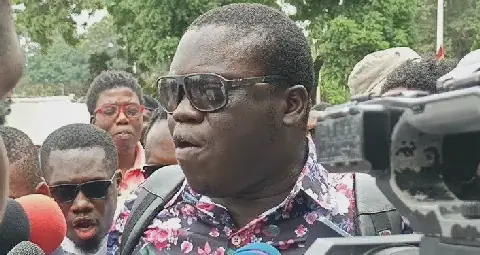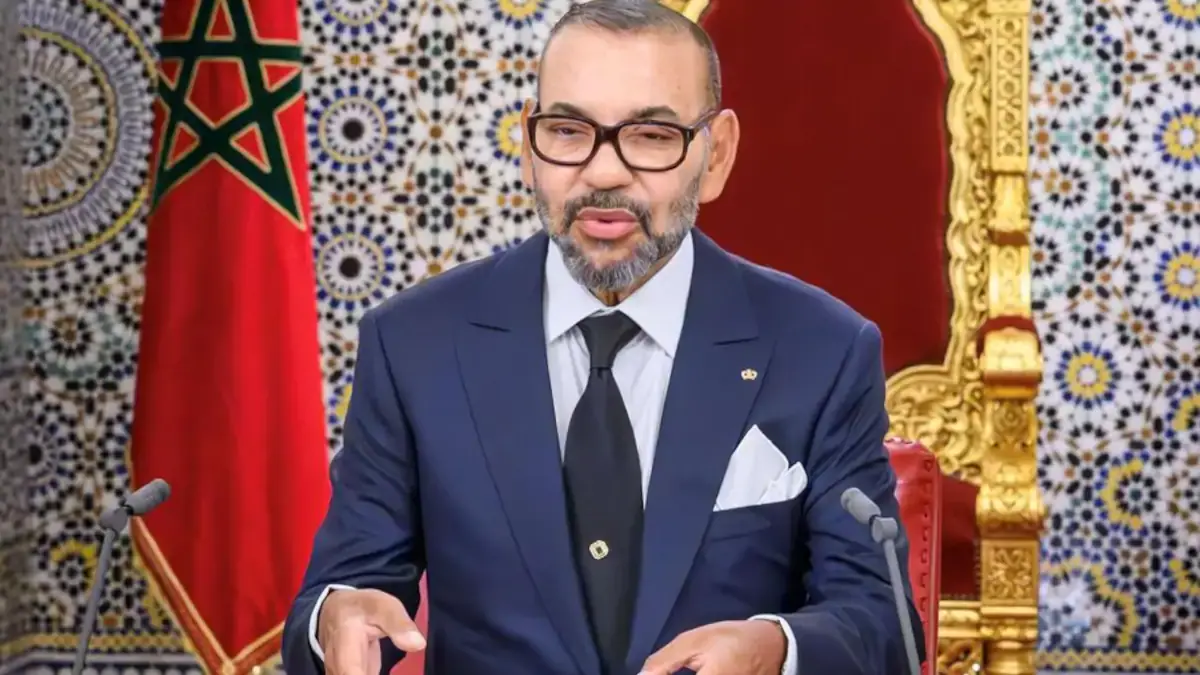
The Polisario Front's working group on natural resources and legal issues convened in Madrid on September 23 to review its activities and prepare a response to Moroccan advances. The meeting, held at the Polisario Front's mission headquarters, was attended by experts, international experts, and solidarity activists. This gathering takes place against the backdrop of a new configuration in the Western Sahara conflict following the adoption of UN Security Council Resolution 2797 in October 2025.
The resolution, drafted by the United States, designated Morocco's autonomy plan as the preferred basis for negotiations, downplaying the referendum option long advocated by the Polisario Front and Algeria. In response, the Sahrawi delegation chose to strengthen its legal framework in Madrid. The meeting allowed for a review of actions taken since the previous session in July, held in Chahid El Hafed, the seat of the Sahrawi presidency in refugee camps.
The Madrid session was presided over by Oubi Bouchraya Bachir, president of the working group, and attended by members, lawyer Emmanuel Duvers, and international experts. Discussions focused on procedures before European courts and priority files for the next phase regarding Western Sahara's natural resources. The Polisario Front's legal strategy relies heavily on proceedings before European courts, which have annulled EU-Morocco fishing and agricultural agreements.
In 2021 and 2024, the EU Court of Justice annulled these agreements, citing their application to Sahrawi waters and lands without the consent of the concerned people. Lawyer Emmanuel Duvers described this jurisprudential basis as solid for continuing to contest ongoing exploitations, particularly in phosphates and fishing. These sectors are considered economically sensitive by Madrid and Brussels.
The Polisario Front's battle is being waged on multiple fronts, with the resolution 2797 playing out on the political and diplomatic levels. The movement has limited leverage following the alignment of several Western powers with Morocco's position. The technical meeting in Madrid suggests that the Polisario Front is now relying on European courts to maintain parallel pressure.
This approach capitalizes on the distinction, maintained by European judges since 2016, between Western Sahara and Morocco. The working group's focus on European courts may indicate a shift in the Polisario Front's strategy to counter Moroccan advances. No date has been announced for the next meeting of this working group.
The Polisario Front's efforts to strengthen its legal framework and challenge Moroccan advances reflect the ongoing complexities in the Western Sahara conflict. The outcome of these efforts and their impact on the conflict's trajectory remain to be seen. The situation continues to evolve, with various stakeholders vying for influence and seeking to assert their positions.
Key points
- The Polisario Front is focusing on European courts to challenge Moroccan advances in Western Sahara.
- UN Security Council Resolution 2797 has shifted the dynamics of the Western Sahara conflict in favor of Morocco.
- The Polisario Front's working group is reassessing its strategy to counter Moroccan advances and promote Sahrawi rights.
Reporting sources
- Face aux avancées marocaines, le Polisario se réunit en Espagne pour préparer sa riposte · La Nouvelle Tribune